Malaysian Food Guide: 25 Dishes to Try

Malaysian food is the single best reason to plan a trip around your appetite. Three great cooking traditions (Malay, Chinese and Indian) have shared kitchens here for centuries, then picked up Nyonya, Kadazan-Dusun, Iban and Portuguese-Eurasian influences along the way. The result is a country where breakfast might be roti canai at a mamak stall and dinner a smoky plate of char kway teow at a hawker centre. This guide lists 25 dishes to try, what each one is, and the town or region where it tastes best.
Most of these dishes cost little at hawker stalls and kopitiam (traditional coffee shops), and the best versions are rarely found in hotel restaurants. Follow the queues, eat at the hours locals do and do not be shy about sharing tables.
How to eat your way around Malaysia
Malaysians eat often and late. Breakfast stalls open early, lunch peaks around 12.30pm to 1.30pm, and many of the best hawker stalls only open in the evening. Mamak restaurants (Indian Muslim eateries) in the cities often run until the early hours or around the clock, which makes them the default for supper.
Each region has its specialities, so the same dish can taste quite different in Penang, Ipoh and Kuching. If you only have time for one food destination, make it George Town in Penang. Ipoh, Melaka and Kuching are close behind, and Kuala Lumpur gathers dishes from every state in one place.
25 Malaysian food dishes to try and where to eat them
1. Nasi lemak
The unofficial national dish: rice cooked in coconut milk and pandan leaf, served with sambal, fried anchovies, peanuts, cucumber and a boiled or fried egg. Add fried chicken or beef rendang for a full meal. Best in: Kuala Lumpur, where it is sold wrapped in banana leaf from roadside stalls in the morning and at 24-hour mamak restaurants late at night.
2. Char kway teow
Flat rice noodles stir-fried over a fierce flame with prawns, cockles, Chinese sausage, bean sprouts and egg. The smoky flavour from the wok, known as wok hei, is what separates a great plate from an ordinary one. Best in: Penang, especially at George Town’s hawker centres.
3. Penang asam laksa
Thick rice noodles in a sour, spicy fish broth sharpened with tamarind, topped with shredded mackerel, pineapple, mint, onion and a spoonful of sweet prawn paste. It tastes nothing like the creamy laksa most visitors know. Best in: Penang, including the stalls around Air Itam on the way to Kek Lok Si.
4. Curry laksa
Noodles in a rich coconut curry broth with tofu puffs, long beans, cockles and chicken. In Kuala Lumpur it is often called curry mee. Best in: Kuala Lumpur and the Klang Valley.
5. Sarawak laksa
A lighter, more aromatic laksa with a sambal belacan and spice paste base, coconut milk, prawns, shredded chicken and omelette strips, served with a squeeze of lime. Best in: Kuching, where locals eat it for breakfast.
6. Roti canai
Flaky, griddled flatbread stretched paper thin and folded, served with dhal and curry for dipping. Variations include roti telur (with egg) and roti tisu, a tall crisp cone. Best in: any mamak restaurant, with Kuala Lumpur and Penang the strongest.
7. Nasi kandar
Steamed rice with your choice of curries, fried chicken, squid and vegetables, finished with a mix of gravies poured over everything (ask for “banjir” if you want it flooded). Best in: Penang, where it originated with Tamil Muslim traders.
8. Banana leaf rice
A South Indian meal served on a banana leaf: rice, vegetable dishes, papadum, pickles and refills of curry, with fried chicken or mutton on the side. Eat with your right hand if you want to do it properly. Best in: Brickfields in Kuala Lumpur and Little India in George Town.
9. Satay
Skewers of marinated chicken or beef grilled over charcoal and served with peanut sauce, cucumber, onion and compressed rice cakes (ketupat). Best in: Kajang in Selangor, the town most associated with satay, and at night markets nationwide.
10. Beef rendang
Beef slow-cooked in coconut milk and spices until the liquid disappears and the meat turns dark and tender. It is a festive dish, made in large batches for Hari Raya. Best in: Negeri Sembilan, where the Minangkabau style is cooked with plenty of chilli padi.
11. Hainanese chicken rice
Poached or roasted chicken served with rice cooked in chicken stock, chilli sauce and ginger. Best in: Ipoh, and Melaka for chicken rice balls, where the rice is shaped into small rounds.
12. Ipoh bean sprout chicken
Silky poached chicken served with plump, crunchy bean sprouts dressed in soy sauce and oil. Ipoh’s limestone water is credited with the short, fat sprouts. Best in: Ipoh Old Town.
13. Bak kut teh
Pork ribs simmered in a herbal broth with garlic, dark soy and Chinese herbs, eaten with rice and youtiao (fried dough sticks). A dry, stir-fried version is also popular. Best in: Klang in Selangor, which claims the dish as its own. It is not halal.
14. Hokkien mee
Two different dishes share the name. In Kuala Lumpur it means thick yellow noodles fried in dark soy sauce with pork lard; in Penang it means a spicy prawn noodle soup. Best in: Kuala Lumpur for the dark fried version, Penang for the prawn soup.
15. Wantan mee
Thin egg noodles tossed in a light soy sauce, topped with char siu (barbecued pork) and served with wantan dumplings. Best in: Kuala Lumpur and Ipoh.
16. Kolo mee
Springy egg noodles tossed in shallot oil and served with minced pork and char siu. It is Kuching’s everyday comfort food. Best in: Kuching.
17. Pan mee
Hand-pulled or hand-torn noodles in anchovy broth with minced pork, mushrooms, anchovies and greens. The chilli pan mee version is served dry with a fiery chilli paste and a poached egg. Best in: Kuala Lumpur.
18. Mee goreng mamak
Yellow noodles fried with tomato, potato, tofu, egg and chilli in an Indian Muslim style. A squeeze of lime finishes it. Best in: any mamak restaurant, at any hour.
19. Nyonya laksa and Peranakan dishes
Peranakan (Nyonya) cooking blends Chinese ingredients with Malay spices. Look for Nyonya laksa, ayam pongteh (chicken braised with fermented bean paste) and kuih, the colourful steamed cakes. Best in: Melaka and Penang.
20. Nasi kerabu
Rice tinted blue with butterfly pea flowers, served with herbs, salted egg, fish crackers, fried chicken or fish and a coconut sauce. Best in: Kelantan, especially at morning markets in Kota Bharu.
21. Nasi dagang
Rice steamed with coconut milk and fenugreek, served with tuna curry. It is a classic east coast breakfast. Best in: Terengganu and Kelantan.
22. Keropok lekor
Chewy fish sausages made from fish and sago flour, fried and dipped in chilli sauce. Sold by the bag at roadside stalls. Best in: Terengganu, along the coast around Kuala Terengganu.
23. Hinava
A Kadazan-Dusun dish of raw fish cured in lime juice with chilli, ginger, shallots and grated bambangan seed. Fresh and sharp, it is often served at celebrations. Best in: Kota Kinabalu and the rest of Sabah.
24. Cendol
Shaved ice with green pandan jelly noodles, red beans, coconut milk and gula Melaka (palm sugar syrup). The ideal answer to the afternoon heat. Best in: Melaka for the palm sugar, Penang for the street stalls.
25. Durian
The king of fruit divides opinion: creamy, sweet and pungent. Many hotels and public transport ban it, so eat it at a roadside stall. Best in: Penang and Pahang during the main season, typically around June to August.
Malaysian food by region at a glance
| Region | Signature dishes | Where to start |
|---|---|---|
| Penang | Char kway teow, asam laksa, nasi kandar, Hokkien prawn mee | George Town hawker centres |
| Kuala Lumpur and Selangor | Nasi lemak, Hokkien mee, pan mee, bak kut teh, satay | Jalan Alor, Brickfields, Klang, Kajang |
| Perak | Bean sprout chicken, chicken rice, white coffee | Ipoh Old Town |
| Melaka | Chicken rice balls, Nyonya laksa, cendol | Jonker Street area |
| East coast | Nasi kerabu, nasi dagang, keropok lekor | Kota Bharu, Kuala Terengganu |
| Sabah and Sarawak | Hinava, Sarawak laksa, kolo mee | Kota Kinabalu, Kuching |
Practical tips for eating Malaysian food
- Halal and non-halal: Malay and mamak restaurants are halal. Many Chinese stalls serve pork, so look for halal certification signs if you need them.
- Ordering at hawker centres: find a table first, note its number, then order from different stalls. Drinks are usually ordered from a separate drinks stall that comes to your table.
- Spice levels: sambal is usually served on the side. Ask for “kurang pedas” if you want less heat.
- Drinks: try teh tarik (pulled milk tea), kopi (local coffee), Ipoh white coffee and fresh lime juice (limau).
- Eating with your hands: at banana leaf and Malay restaurants, use your right hand. Cutlery is always available if you prefer.
- Ramadan: during the fasting month, Ramadan bazaars appear across the country in the late afternoon and are some of the best places to try Malay food.
For a guided start, our page on Jalan Alor covers KL’s best-known food street, and the 3 days in Penang itinerary builds the island’s best eating into each day.
Malaysian Food Guide: frequently asked questions
What is the national dish of Malaysia?
Nasi lemak is widely regarded as Malaysia's national dish. It is rice cooked in coconut milk and pandan, served with sambal, fried anchovies, peanuts, cucumber and egg. You can find it everywhere from roadside stalls to 24-hour mamak restaurants.
Which city in Malaysia has the best food?
Penang, and George Town in particular, is generally considered Malaysia's food capital for its hawker dishes such as char kway teow, asam laksa and nasi kandar. Ipoh, Melaka and Kuching each have their own celebrated specialities, and Kuala Lumpur brings dishes from every state together.
Is Malaysian food spicy?
Many dishes have some heat, but chilli is often served on the side as sambal so you can control it. Dishes such as chicken rice, wantan mee and bak kut teh are mild. If you want less spice, ask for kurang pedas when ordering.
Is food in Malaysia halal?
Malay and Indian Muslim (mamak) restaurants are halal, and halal food is easy to find everywhere. Many Chinese restaurants and hawker stalls serve pork, so look for official halal certification if it matters to you.
What is the difference between Penang laksa and curry laksa?
Penang asam laksa has a sour, spicy fish broth made with tamarind and topped with mackerel, pineapple and mint. Curry laksa uses a rich coconut curry broth with tofu puffs, chicken and cockles. They share little beyond the name and the noodles.
Places in this guide
-
Penang
George Town
Penang's UNESCO-listed capital, where shophouse streets, clan temples and street art sit alongside some of the best…
-
Federal Territory

Kuala Lumpur
Malaysia's capital mixes glass towers, colonial landmarks, temples and some of the best street food in Asia, all…
-
Perak
Ipoh
A former tin-mining town ringed by limestone hills, with a walkable colonial Old Town, cave temples and a food scene…
-
Melaka
Melaka City
A UNESCO-listed trading port on the Strait of Malacca, layered with Malay, Peranakan, Portuguese, Dutch and British…
-
Sarawak
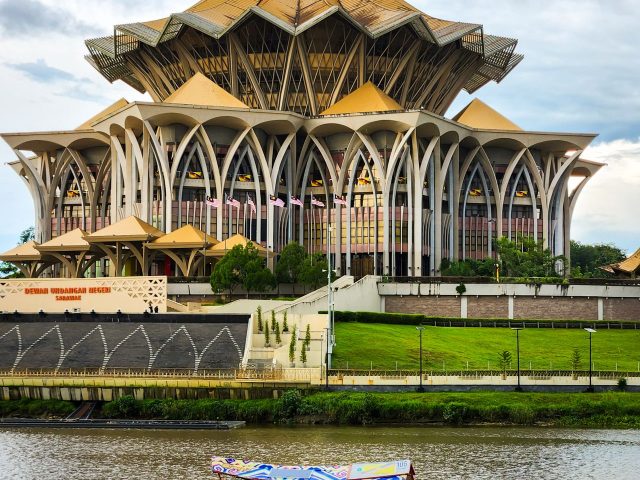
Kuching
A walkable river city with Brooke-era history, an outstanding food scene and rainforest, orangutans and beaches within…
-
Kelantan
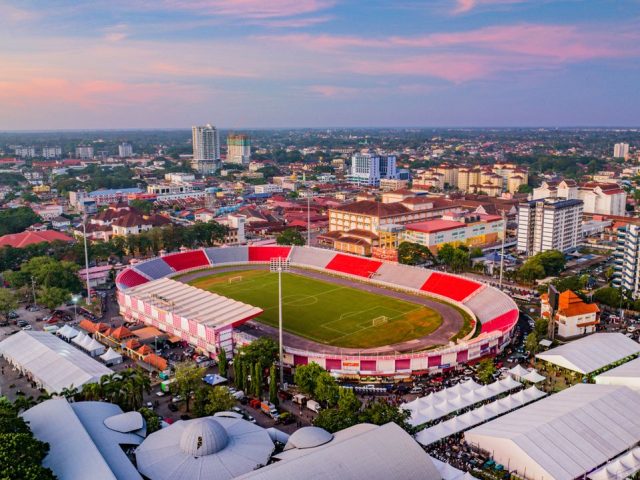
Kota Bharu
Kelantan's compact capital is the heartland of Malay culture, with a famous women-run market, royal palace museums and…
-
Kuala Lumpur
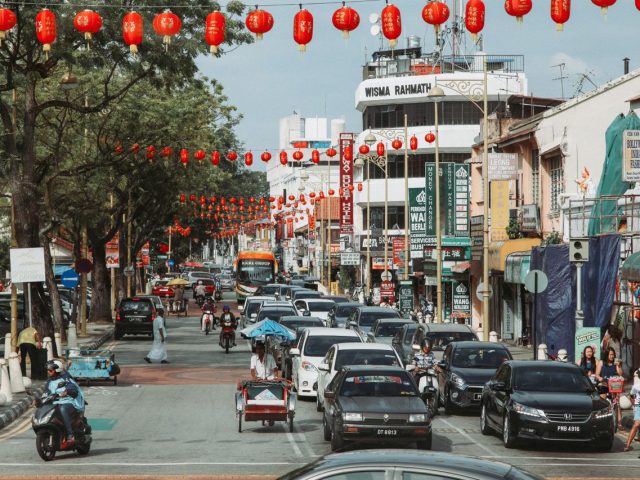
Jalan Alor Food Street
Jalan Alor is Kuala Lumpur's best-known food street, a strip of open-air restaurants and hawker stalls in Bukit…
-
Northern
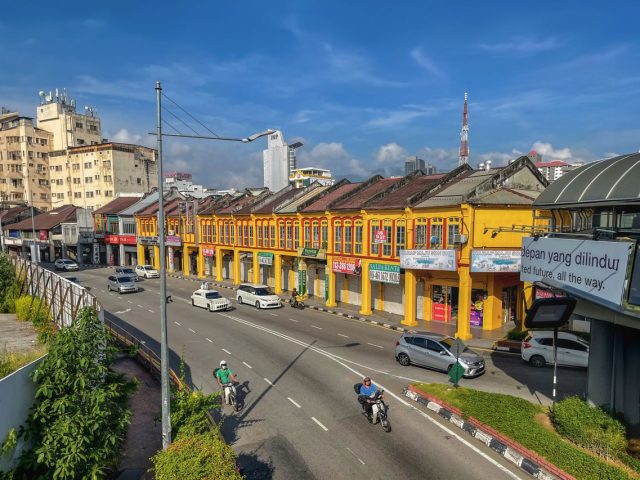
Penang
Malaysia's food capital and home to George Town, a UNESCO-listed port city of shophouses, clan temples and hawker…
More travel guides
-
Guide
Where to Stay in Malaysia: Best Bases by Region
The best bases in Malaysia are Bukit Bintang or KLCC in Kuala Lumpur, George Town's heritage core in Penang, Pantai…
-
Guide
Penang vs Langkawi: Which Island Should You Visit?
Choose Penang for food, heritage and walkable George Town; choose Langkawi for beaches, rainforest, island hopping and…
-
Guide
Visit Malaysia 2026: Events and Travel Tips
Visit Malaysia 2026 is Tourism Malaysia's national campaign to grow international tourism, with the Malayan sun bear…