Things to Do in Kuala Lumpur: A Complete KL Travel Guide
Malaysia's capital mixes glass towers, colonial landmarks, temples and some of the best street food in Asia, all linked by a cheap and easy rail network.

Kuala Lumpur, or KL, is where most trips to Malaysia begin, and it deserves more than a night between flights. The best things to do in Kuala Lumpur sit close together: the Petronas Twin Towers, the Hindu shrine at Batu Caves, the colonial core around Merdeka Square and the food streets of Bukit Bintang and Chinatown. The city is young, green in places and multicultural to its core, with Malay, Chinese and Indian neighbourhoods a few train stops apart.
This guide covers the highlights, the neighbourhoods worth your time, practical tips for getting around and when to come. For a day-by-day plan, see our 3-day Kuala Lumpur itinerary.
Top things to do in Kuala Lumpur
See the Petronas Twin Towers from every angle
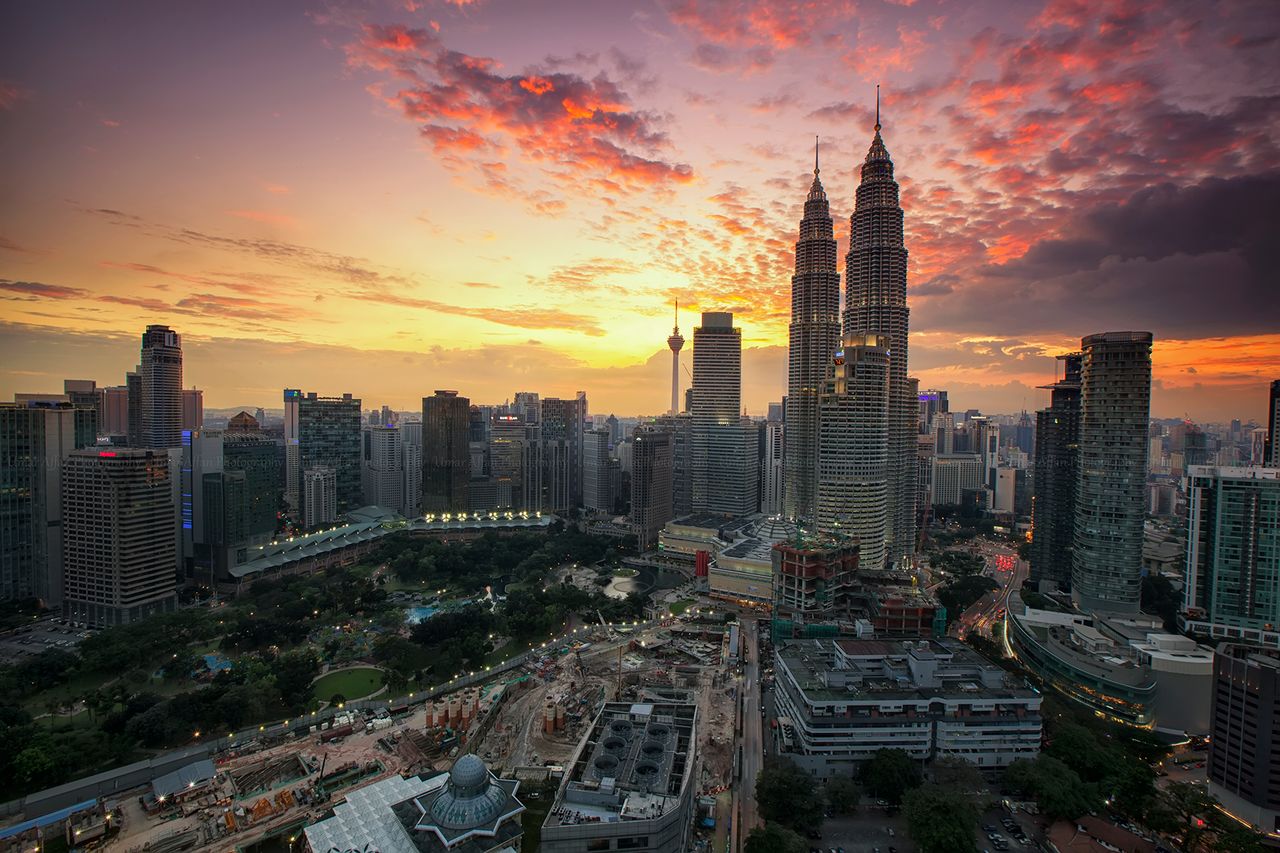
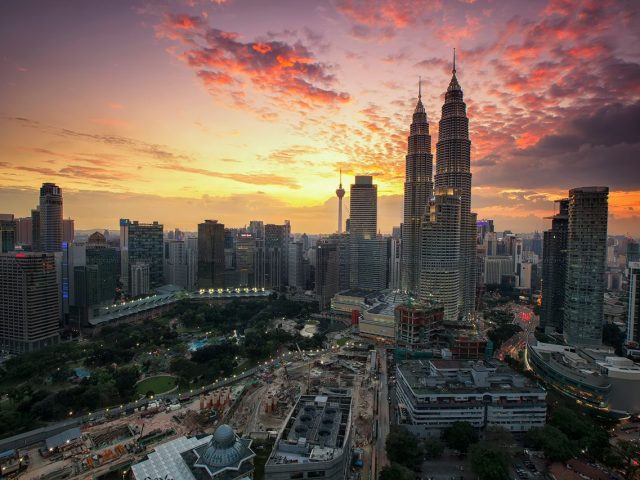
The 88-storey Petronas Twin Towers are KL’s defining sight. Tickets take you to the Skybridge between the towers and the observation deck near the top, and slots sell out on busy days, so book ahead. The free views are just as good: walk KLCC Park at dusk, then cross to the fountain terrace in front of Suria KLCC when the towers light up.
Aquaria KLCC, the aquarium in the convention centre next door, makes an easy add-on with children, and the KL Tower on Bukit Nanas gives a different angle on the towers from its open-air Sky Deck.
Climb the steps at Batu Caves
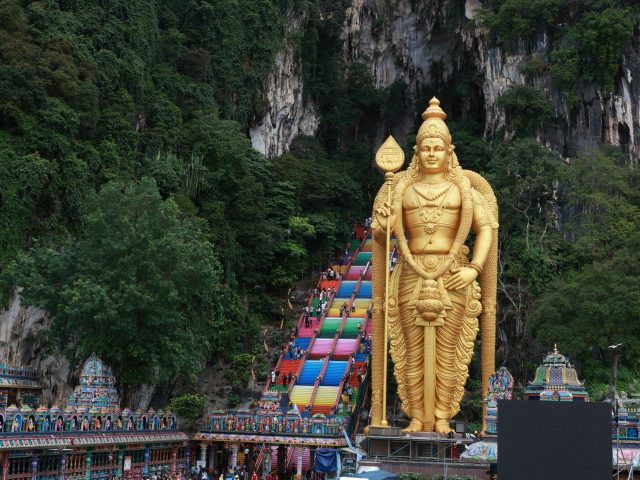
North of the city, 272 rainbow-painted steps lead up to Temple Cave at Batu Caves, guarded by a giant golden statue of Lord Murugan. Go early in the morning to beat the heat and the tour groups, cover your knees and shoulders, and keep food out of sight of the macaques. The KTM Komuter train from KL Sentral stops at the foot of the steps.
Walk the colonial heart around Merdeka Square
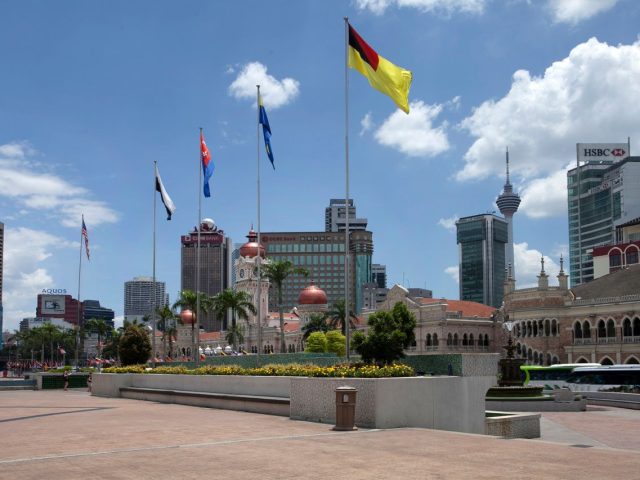
Merdeka Square is where Malaysia’s independence was declared in 1957. The Moorish-style Sultan Abdul Samad Building faces the open lawn, and a short walk leads to Masjid Jamek, where the Klang and Gombak rivers meet and the city began. In the evening the River of Life promenade here is lit up in blue. Chinatown and Central Market are ten minutes away on foot.
Spend a morning in the Lake Gardens
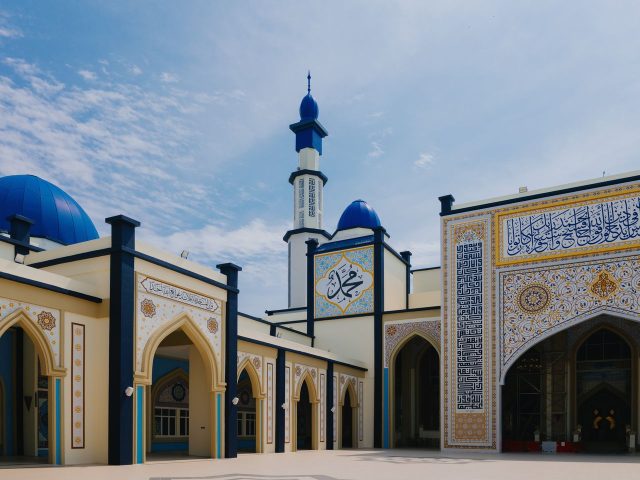
The Perdana Botanical Gardens, still called the Lake Gardens by many locals, hold the KL Bird Park, one of the largest walk-in aviaries in the region. On the edge of the gardens, the Islamic Arts Museum Malaysia has superb galleries of manuscripts, textiles and architectural models, and the National Mosque is next door. Combine all three in a single morning before the midday heat.
Eat your way down Jalan Alor
After dark, Jalan Alor in Bukit Bintang turns into one long open-air restaurant, with plastic stools, grilled stingray, satay and noodles. It is touristy and prices are higher than in neighbourhood stalls, but the atmosphere is hard to beat. For quieter local eating, try the hawker stalls of Chinatown, Kampung Baru and Brickfields.
Visit Thean Hou Temple
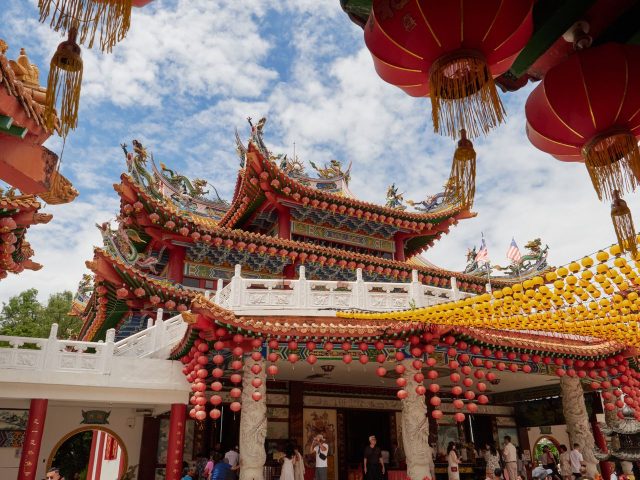
Thean Hou Temple, a six-tiered Chinese temple on Robson Heights south of the centre, is dedicated to the sea goddess Mazu. It is free to enter, has fine views back to the skyline and is especially photogenic when red lanterns go up for Chinese New Year. Take a Grab, as there is no station on the hill.
Kuala Lumpur neighbourhoods
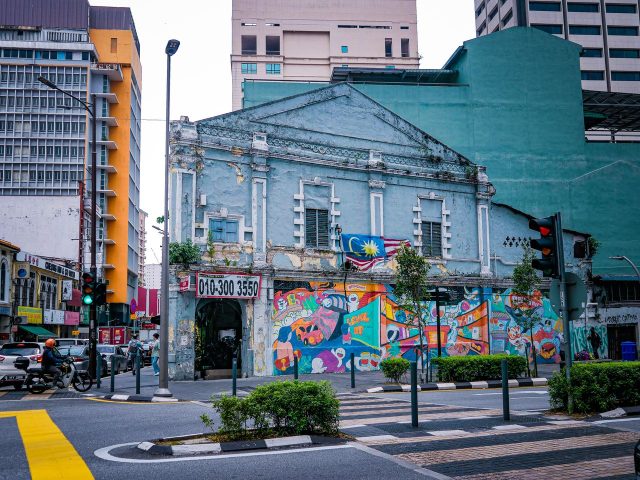
KLCC is the business district around the towers, with the best park in the centre and wide pavements. Bukit Bintang is the shopping strip, linked to KLCC by a covered, air-conditioned walkway that saves you from both heat and rain. Chinatown, centred on Petaling Street, mixes temples, wet markets, street art and new cafés in restored shophouses.
Kampung Baru is a Malay village of wooden houses inside the city, with the towers looming over it, and its food stalls come alive in the evening. Brickfields, KL’s Little India, is all garland sellers, sari shops and banana leaf restaurants beside KL Sentral. Bangsar, a short ride west, is where locals go for brunch, bars and boutiques. Our guide to where to stay in Kuala Lumpur matches each area to budget and travel style.
Practical tips for visiting KL
- Use the trains. The LRT, MRT and monorail reach almost every sight, and fares are low. Contactless bank cards work at most gates.
- Use Grab for awkward journeys. Ride-hailing is cheap and saves haggling with taxis, especially to Thean Hou Temple or late at night.
- Plan around the rain. Showers usually come in the afternoon. Do outdoor sights in the morning and save museums and malls for later.
- Dress for temples and mosques. Cover shoulders and knees. Mosques such as the National Mosque lend robes to visitors and close to tourists at prayer times.
- Walk smart. Pavements can be broken or missing between districts, so use the covered walkways and pedestrian bridges where you can.
How long to stay in Kuala Lumpur
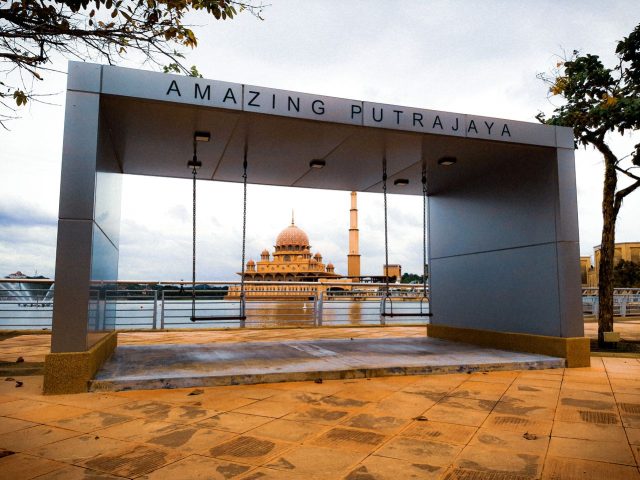
Three to four days is the sweet spot. Two days covers the towers, Batu Caves and Merdeka Square at a brisk pace. A third day lets you add the Lake Gardens, a museum and a proper food crawl, and a fourth makes room for a day trip to Putrajaya, the cool air of Genting Highlands or the colonial streets of Melaka. KL is also the best base for exploring the surrounding state of Selangor.
Best time to visit Kuala Lumpur
KL is hot and humid all year, with daytime highs of around 32°C to 34°C. Rain falls in every month, but June to August is the driest period and January to February is also fairly dry. April, October and November are usually the wettest months, with heavy afternoon thunderstorms that tend to pass within an hour or two.
Festivals add a lot. Chinese New Year (January or February) fills Chinatown and Thean Hou Temple with lanterns, Thaipusam brings huge processions to Batu Caves, and National Day on 31 August centres on Merdeka Square. Hotel prices rise around major holidays, so book early if your dates overlap.
Where to stay in Kuala Lumpur
- Bukit Bintang: the shopping and nightlife district, with Jalan Alor on the doorstep and monorail and MRT stations. Best for first-timers who want to walk out of the door to food and malls.
- KLCC: the area around the Petronas Twin Towers and KLCC Park. Polished, green and convenient for the LRT, it suits families and travellers who want higher-end hotels.
- Chinatown (Petaling Street and Pasar Seni): heritage shophouses, cafés and the best budget choices, within walking distance of Merdeka Square. Good for backpackers and anyone who likes old KL.
- Brickfields and KL Sentral: Little India sits beside the main rail hub, so it is the easiest base if you arrive on the KLIA Ekspres or plan day trips by train.
How to get to Kuala Lumpur
Most visitors fly into Kuala Lumpur International Airport (KLIA Terminal 1 or Terminal 2), about 50 km south of the city. The KLIA Ekspres non-stop train reaches KL Sentral in about 28 minutes from Terminal 1, with trains every 20 minutes from around 5am to midnight; the adult single fare is RM55 at the time of writing (10% less online). The slower KLIA Transit stops at Putrajaya on the way.
Airport buses run to KL Sentral for much less, and Grab cars and metered taxis take roughly an hour depending on traffic. Our KLIA to KL guide compares every option.
Within the city, the LRT, MRT and monorail cover almost every sight, and KTM Komuter trains run from KL Sentral to Batu Caves. Pay by contactless bank card or a Touch ‘n Go card.
What to eat in Kuala Lumpur
- Nasi lemak: coconut rice with sambal, anchovies, peanuts and egg, eaten any time of day at Malay stalls and mamak restaurants.
- KL Hokkien mee: thick yellow noodles fried dark in soy sauce and pork lard, a late-night classic in Chinatown and on Jalan Alor.
- Satay: skewers grilled over charcoal with peanut sauce; Kampung Baru’s Malay stalls are the traditional place to try it.
- Banana leaf rice: rice, curries and vegetables served on a leaf, best in Brickfields and Bangsar.
- Roti canai and teh tarik: flaky flatbread with dhal and pulled milk tea at any 24-hour mamak.
- Char kway teow and grilled seafood: the staples of the evening stalls on Jalan Alor in Bukit Bintang.
Kuala Lumpur: frequently asked questions
How many days do you need in Kuala Lumpur?
Three to four days is ideal for a first visit. That gives you time for the Petronas Twin Towers, Batu Caves, Merdeka Square and the Lake Gardens, plus evenings eating in Bukit Bintang and Chinatown. Add a day if you want a day trip to Putrajaya, Genting Highlands or Melaka.
What is the fastest way from KLIA to Kuala Lumpur city centre?
The KLIA Ekspres train is fastest, taking about 28 minutes from KLIA Terminal 1 to KL Sentral with departures every 20 minutes. The adult single fare is RM55 at the time of writing. Airport buses are cheaper but slower, and a Grab or taxi takes around an hour depending on traffic.
What is the best area to stay in Kuala Lumpur for first-timers?
Bukit Bintang is the most convenient base for most first-timers, with Jalan Alor, malls and monorail and MRT stations close by. KLCC suits families and those wanting upmarket hotels near the Petronas Twin Towers. Chinatown is the best choice for budget travellers and heritage lovers.
Is Kuala Lumpur safe for tourists?
Kuala Lumpur is generally safe for visitors, and violent crime against tourists is rare. The main risks are bag snatching and pickpocketing in crowded areas, so carry bags on the side away from the road and keep phones secure in busy markets. Use Grab or metered taxis rather than unofficial drivers.
When is the best time to visit Kuala Lumpur?
June to August is the driest stretch, and January to February is also fairly dry. KL is warm year-round, and even in wetter months like April and November the rain usually falls as short afternoon storms, so you can sightsee in the mornings.
How do you get from Kuala Lumpur to Batu Caves?
Take the KTM Komuter train from KL Sentral to Batu Caves station, which sits at the foot of the temple steps. You can pay with a contactless card or buy a token at the station. A Grab from the city centre is a quicker alternative outside rush hour.
Things to do in Kuala Lumpur
-
Kuala Lumpur
Batu Caves
Batu Caves is a Hindu temple complex in a limestone hill 13km north of Kuala Lumpur, reached by 272 painted steps.
-
Kuala Lumpur
Jalan Alor Food Street
Jalan Alor is Kuala Lumpur's best-known food street, a strip of open-air restaurants and hawker stalls in Bukit…
-
Kuala Lumpur
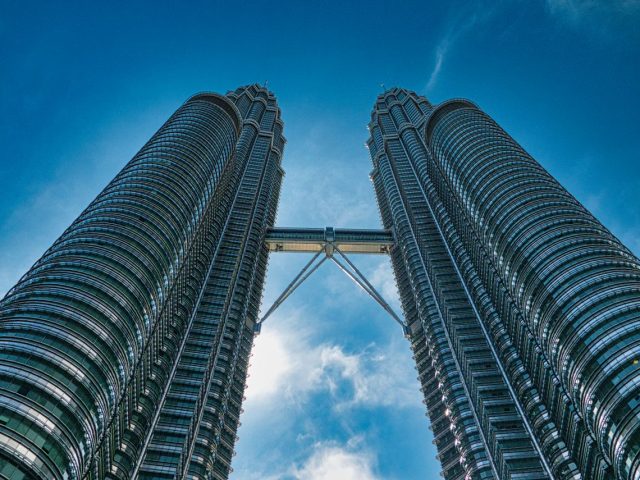
Petronas Twin Towers
The Petronas Twin Towers are KL's 452-metre twin skyscrapers, with a Skybridge on Level 41 and an observation deck on…
-
Kuala Lumpur
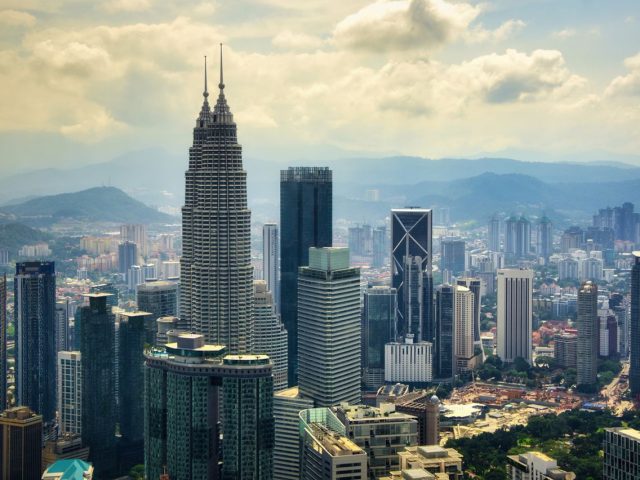
Aquaria KLCC
Aquaria KLCC is a two-level aquarium under the KL Convention Centre, a short walk from the Petronas Twin Towers.
-
Kuala Lumpur
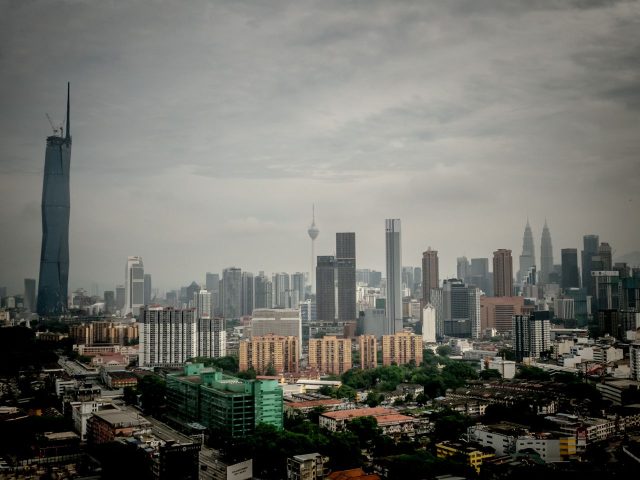
KL Bird Park
KL Bird Park is a large walk-through aviary beside the Perdana Botanical Gardens, home to more than 3,000 birds of…
-
Kuala Lumpur
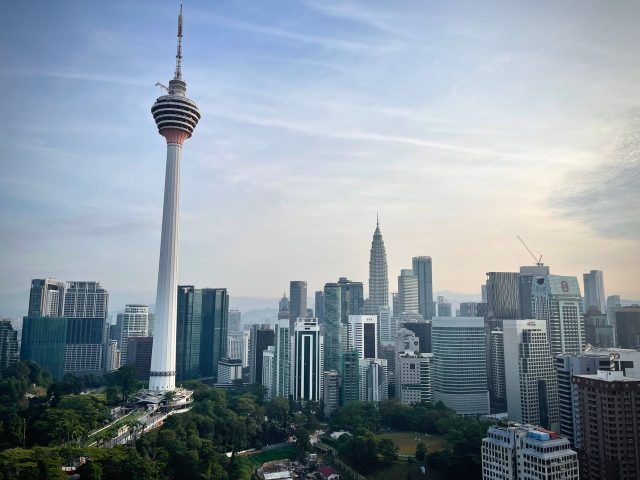
KL Tower
KL Tower (Menara Kuala Lumpur) is a 421-metre telecoms tower on Bukit Nanas with an indoor Observation Deck and the…
-
Kuala Lumpur
Merdeka Square
Merdeka Square (Dataran Merdeka) is the open lawn in old Kuala Lumpur where the Union Flag was lowered at independence…
-
Kuala Lumpur
Islamic Arts Museum Malaysia
The Islamic Arts Museum Malaysia in Kuala Lumpur holds more than 7,000 objects across 12 galleries, from Qur'an…
-
Kuala Lumpur
Thean Hou Temple
Thean Hou Temple is a six-tiered Chinese temple on a hill in south Kuala Lumpur, dedicated to the sea goddess Mazu.
Itineraries that visit Kuala Lumpur
-
 7 days
Malaysia 7-Day Itinerary for First-Time Visitors
First-time visitors who want cities, history and food on a single week, travelling by bus and train rather than flying.
-
10 days
Malaysia 10-Day Itinerary: Cities, Highlands and Islands
First-timers and couples who want a balanced trip: a big city, cool highlands, a heritage food town and a few days on…
-
14 days
Malaysia 2-Week Itinerary with Borneo
Travellers with a fortnight who want the peninsula's food and heritage plus a beach break, then Borneo's islands…
-
3 days
3 Days in Kuala Lumpur: A First-Timer’s Itinerary
For first-time visitors who want KL's landmarks, food streets and temples in a well-paced three days, using trains and…
-
7 days
Malaysia Family Itinerary: 7 Days with Kids
Families with children of most ages who want a mix of city sights and easy beach days, with only one short flight.
Kuala Lumpur travel guides
-
Guide
Visit Malaysia 2026: Events and Travel Tips
Visit Malaysia 2026 is Tourism Malaysia's national campaign to grow international tourism, with the Malayan sun bear…
-
Guide
Where to Stay in Kuala Lumpur: Best Areas for Every Budget
For a first visit, the best places to stay in Kuala Lumpur are Bukit Bintang for food, shopping and nightlife, KLCC…
-
Guide
Malaysian Food Guide: 25 Dishes to Try
Malaysian food blends Malay, Chinese, Indian, Peranakan and Bornean cooking, and most of the best dishes cost little…
-
Guide
Where to Stay in Malaysia: Best Bases by Region
The best bases in Malaysia are Bukit Bintang or KLCC in Kuala Lumpur, George Town's heritage core in Penang, Pantai…
-
Guide
Malaysia Travel Guide: Everything You Need to Plan a Trip
Malaysia is one of Southeast Asia's easiest countries to travel: English is widely spoken, transport is good and food…
-
Guide
Malaysia Entry Requirements for Tourists
To enter Malaysia as a tourist you need a passport valid for at least six months, a completed Malaysia Digital Arrival…