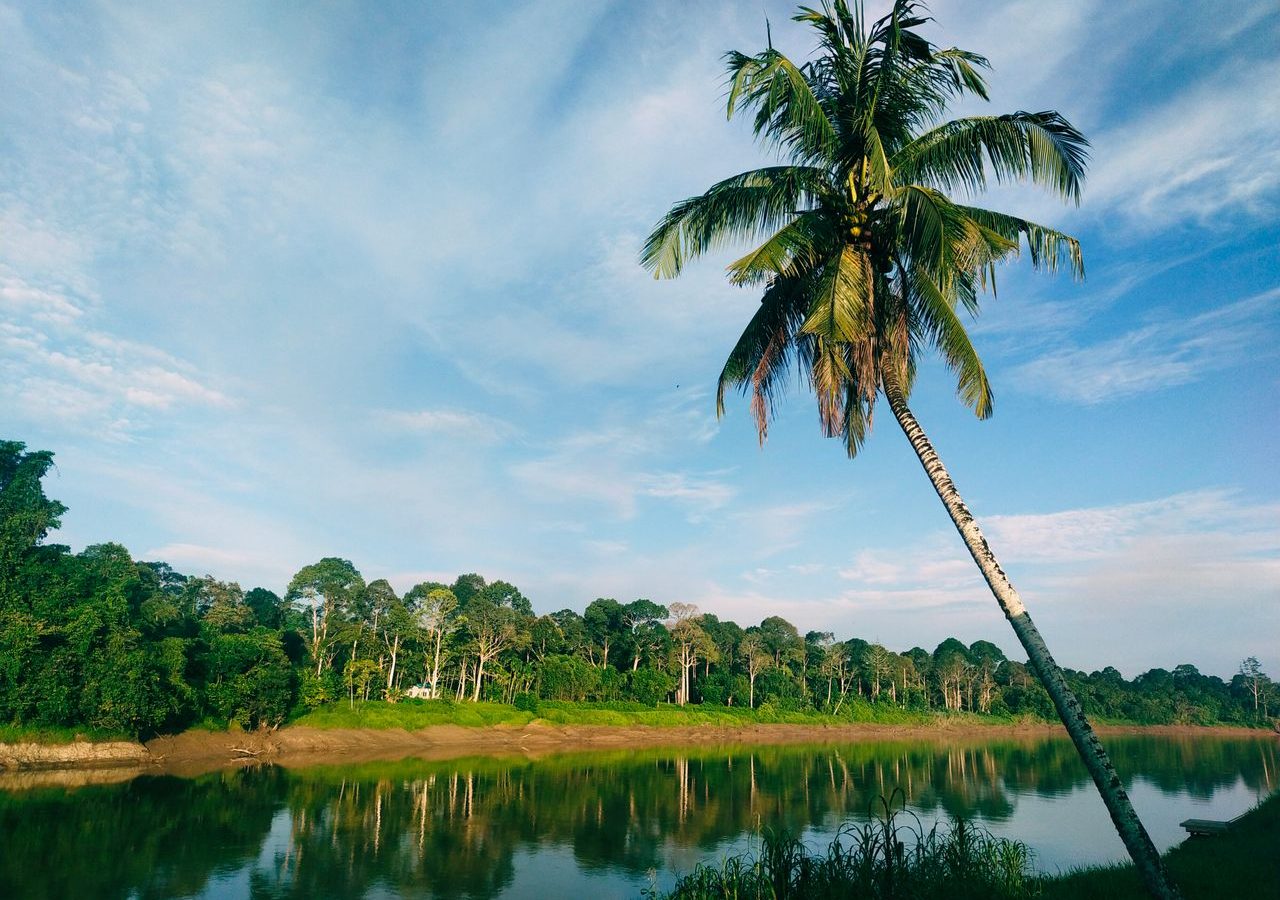
Sarawak Travel Guide: Places to Visit, Caves and Culture
Malaysia's largest state, on Borneo's northwest coast: riverside Kuching, orangutans at Semenggoh, longhouse culture and the vast caves of Gunung Mulu National Park.

Sarawak is Malaysia’s largest state, almost the size of Peninsular Malaysia, yet it sees a fraction of the visitors. This Sarawak travel guide focuses on the parts most travellers can reach in one or two weeks: Kuching and its national parks, the cave country of Mulu, and the longhouse communities that make Sarawak culturally distinct.
Why visit: a Sarawak travel guide overview
The appeal is access. From Kuching you can see semi-wild orangutans, proboscis monkeys and coastal rainforest on easy day trips, then fly north to some of the largest cave chambers on earth. Sarawak is also home to dozens of ethnic groups, among them the Iban, Bidayuh and Orang Ulu, and their traditions remain part of everyday life rather than a stage show.
Regions of Sarawak
Kuching and the southwest
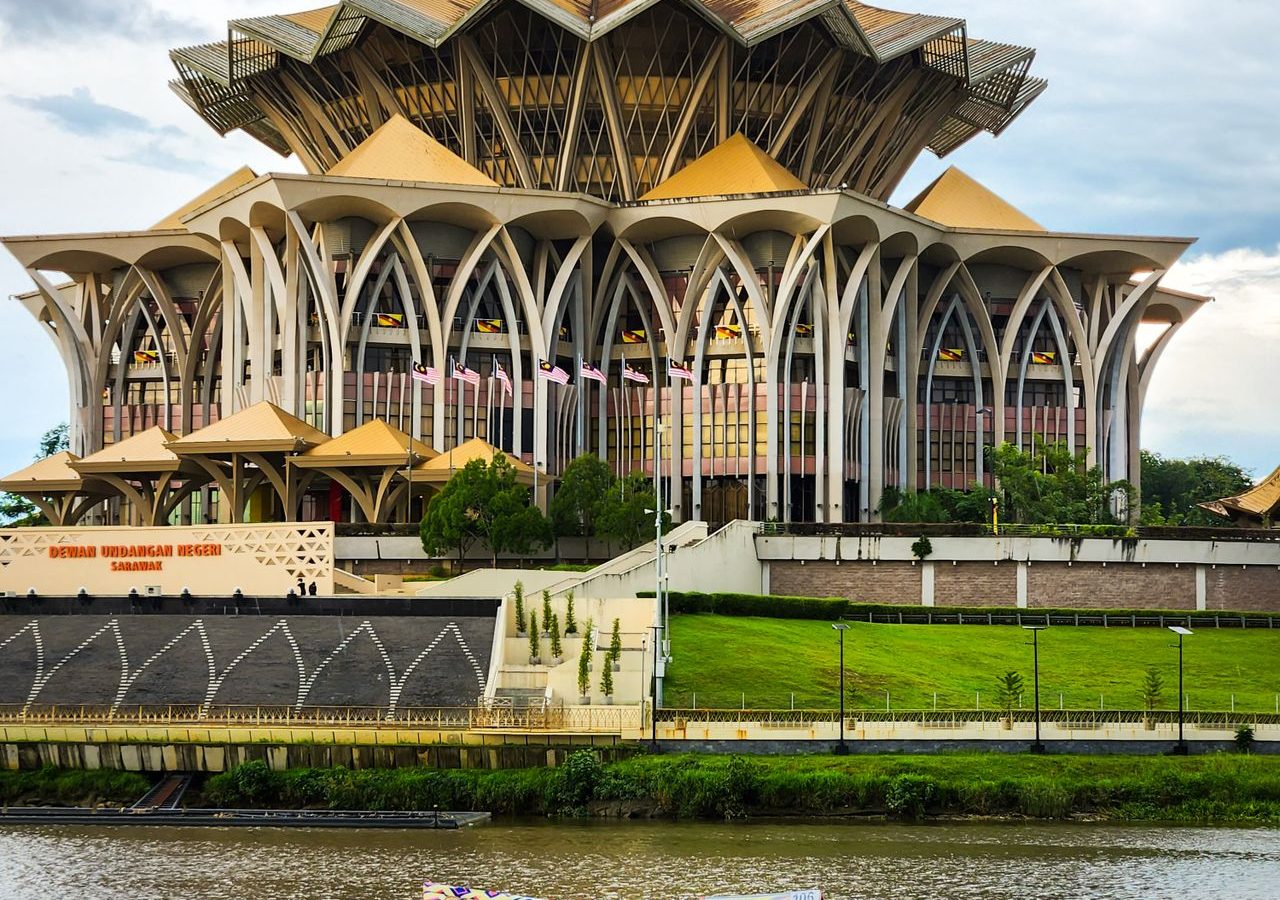
Kuching sits on the Sarawak River, with a walkable waterfront, Chinese shophouses along Main Bazaar and the white Astana palace across the water. It is the best base in the state. Feeding sessions at Semenggoh Nature Reserve, under an hour south by road, give good odds of seeing orangutans, although they stay away when the forest is fruiting.
Bako National Park, reached by road and a short boat ride, has coastal trails, sea stacks and proboscis monkeys. At Santubong, Sarawak Cultural Village recreates the traditional houses of the main communities and hosts the Rainforest World Music Festival each year.
Central Sarawak
Sibu, on the Rajang River, is the gateway to Iban longhouse country upriver. Bintulu is an industrial port with an LNG terminal, and few visitors stop for long.
Most longhouse visits are arranged through an operator in Kuching or Sibu, either as a day trip or an overnight stay with a family. Batang Ai, inland near the Kalimantan border, is the most popular area for Iban longhouse stays from Kuching. Bring a small gift, take your shoes off before entering the family rooms, and ask before photographing people.
Miri and the north
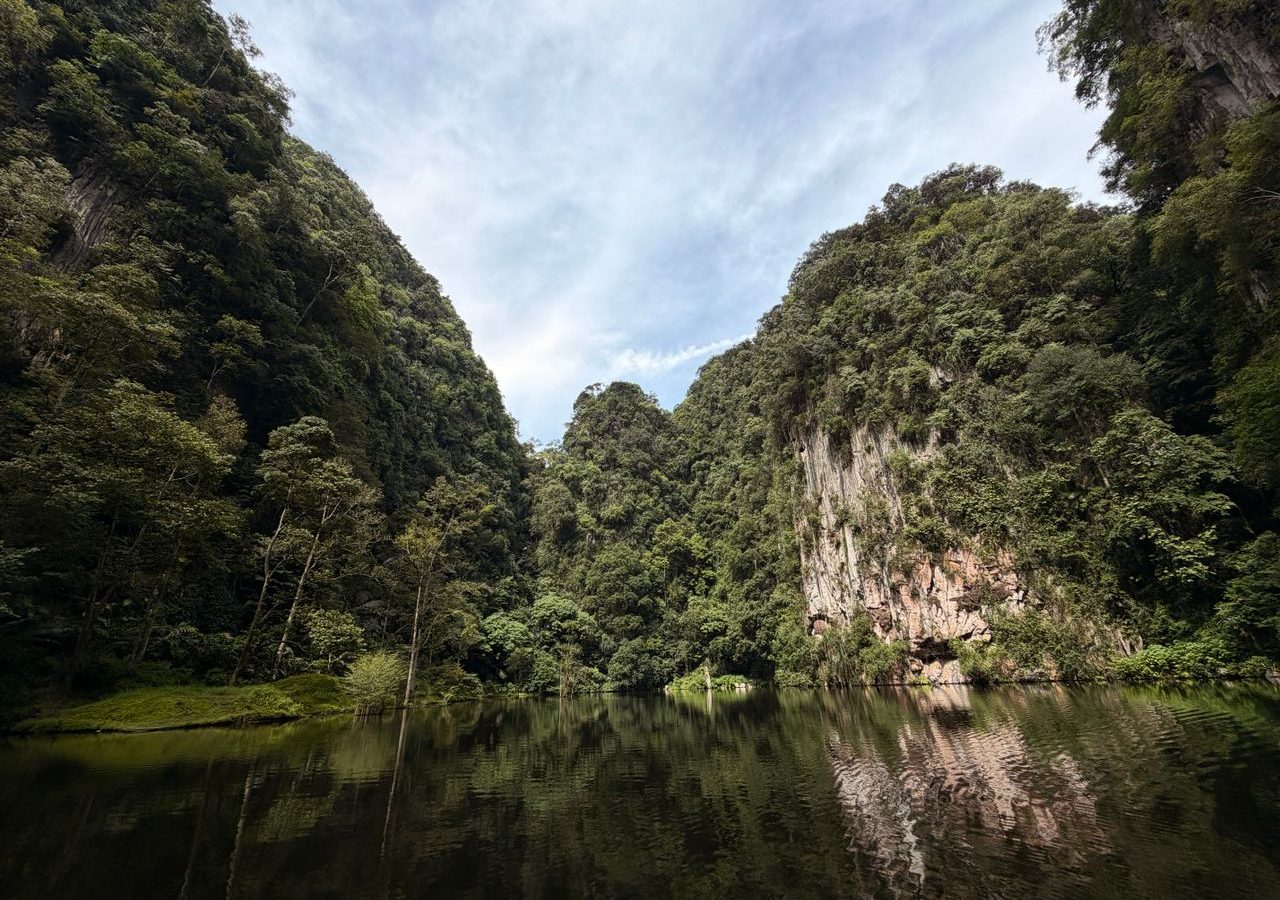
Miri is an oil town with beaches and offshore reefs, and the nearest airport for Gunung Mulu National Park. Mulu is reached by a short flight, with no road in. Its show caves include Deer Cave, where bats stream out at dusk, and the Pinnacles trek is one of Borneo’s toughest hikes. Niah National Park, between Bintulu and Miri, joined Mulu on the UNESCO World Heritage list in 2024 for its archaeological caves.
Food in Sarawak
Sarawak laksa is the dish to seek out: a rich, sour broth of sambal belacan and coconut milk with prawns, chicken and rice vermicelli, usually eaten at breakfast. Kolo mee, springy noodles tossed in shallot oil with char siu, is Kuching’s everyday staple.
Look also for manok pansoh (chicken cooked in bamboo), midin, a crunchy jungle fern stir-fried with garlic or belacan, and the bright layered kek lapis cakes sold all over Kuching.
When to go
The northeast monsoon from about November to February brings the heaviest rain, especially on the coast, and the sea crossing to Bako can be rough. March to October is drier, with June to August usually the best months.
The Rainforest World Music Festival is held at Sarawak Cultural Village in late June (in 2026 it ran from 26 to 28 June), and Gawai Dayak harvest celebrations take place around 1 June, when longhouses welcome guests.
How long to spend
Allow four to five days for Kuching and its day trips; our 5 days in Kuching itinerary covers the essentials. Add three nights for Mulu, as flights are limited and you will want at least two full days in the park. To combine Sarawak with Sabah and the peninsula, follow our two-week Malaysia itinerary. For longhouse etiquette and festivals, read our Borneo culture guide, and see Sarawak Tourism for event dates.
Getting to Sarawak
Kuching International Airport is the main gateway, with flights from Kuala Lumpur, Johor Bahru, Kota Kinabalu and Singapore. Miri, in the north, also has an airport with domestic and Singapore flights, and it is the usual hub for flights to Mulu, which has no road access.
Like Sabah, Sarawak controls its own immigration. Expect a passport check on arrival even when flying in from Peninsular Malaysia, and a new entry stamp if you are a foreign visitor.
Within the state, flights link Kuching, Sibu, Bintulu, Miri and Mulu, and long-distance buses run along the Pan Borneo Highway.
Sarawak: frequently asked questions
Is Sarawak worth visiting?
Yes, for travellers interested in rainforest, wildlife and indigenous culture. Kuching makes an easy base for orangutans at Semenggoh and proboscis monkeys at Bako, and Mulu's caves are among the most impressive in the world. It is far less crowded than mainland hotspots.
What is the capital of Sarawak?
Kuching is the capital and largest city of Sarawak. It sits on the Sarawak River in the southwest of the state and is the main arrival point for visitors.
When is the best time to visit Sarawak?
March to October is drier than the northeast monsoon months of November to February, with June to August usually best. Late June is popular for the Rainforest World Music Festival, so book accommodation early.
How do you get to Mulu National Park?
Almost everyone flies, most often from Miri, as there is no road to Mulu. A slow river route via Marudi exists but takes at least a full day and depends on water levels.
Do you need a passport to enter Sarawak from Peninsular Malaysia?
Yes. Sarawak has its own immigration control, so travellers arriving from the peninsula pass an immigration check. Foreign visitors receive a fresh entry stamp, so carry your passport on domestic flights.
Places to visit in Sarawak
-
Sarawak
Kuching
A walkable river city with Brooke-era history, an outstanding food scene and rainforest, orangutans and beaches within an hour's drive.
-
Sarawak
Mulu National Park
Some of the largest caves on Earth, millions of bats at dusk and razor-sharp limestone pinnacles, reached only by air or river.
Top things to do in Sarawak
-
Kuching
Semenggoh Nature Reserve
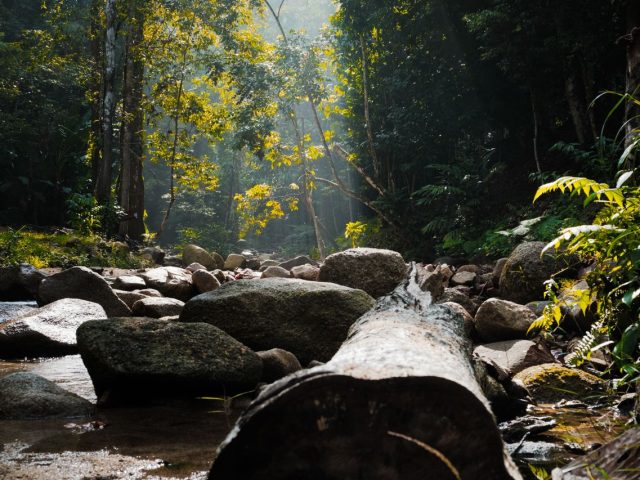
Semenggoh Nature Reserve, about 24 km south of Kuching, is home to semi-wild orangutans that often come to feeding…
-
Kuching
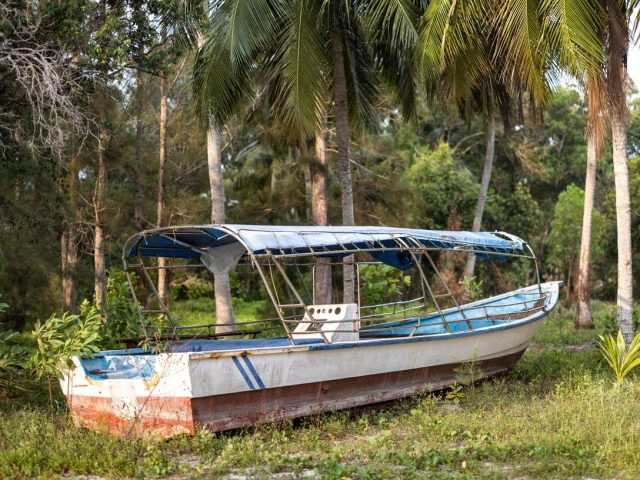
Bako National Park
Bako National Park is Sarawak's oldest national park, reached by a short boat ride from Kampung Bako near Kuching.
-
Kuching
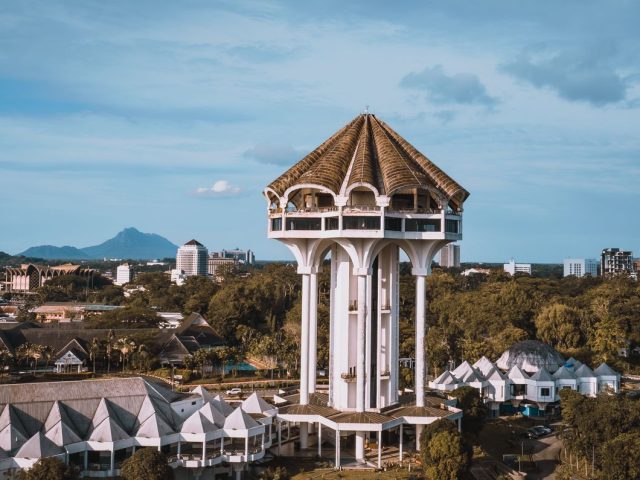
Sarawak Cultural Village
Sarawak Cultural Village is a living museum at the foot of Mount Santubong, north of Kuching, with traditional houses…
-
Mulu National Park
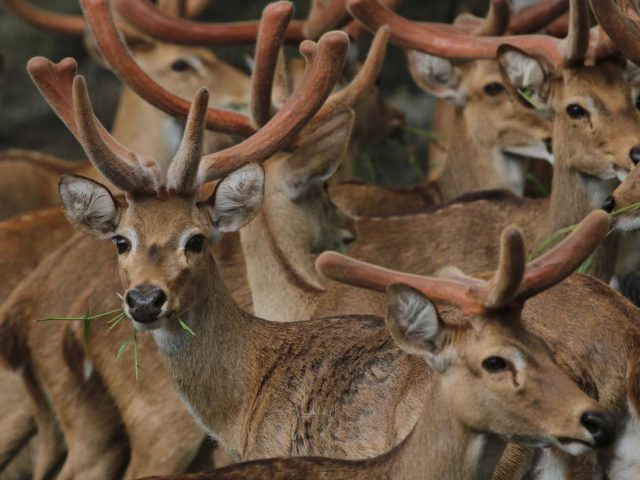
Deer Cave
Deer Cave in Gunung Mulu National Park has one of the largest cave passages on Earth and is home to over 3 million…
Itineraries through Sarawak
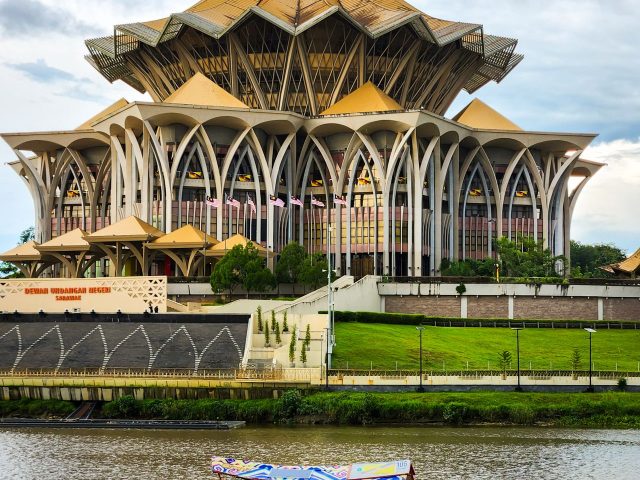
Sarawak travel guides
-
Guide
Malaysian Food Guide: 25 Dishes to Try
Malaysian food blends Malay, Chinese, Indian, Peranakan and Bornean cooking, and most of the best dishes cost little…
-
Guide
Where to Stay in Malaysia: Best Bases by Region
The best bases in Malaysia are Bukit Bintang or KLCC in Kuala Lumpur, George Town's heritage core in Penang, Pantai…
-
Guide
Visit Malaysia 2026: Events and Travel Tips
Visit Malaysia 2026 is Tourism Malaysia's national campaign to grow international tourism, with the Malayan sun bear…
-
Guide
Malaysia Entry Requirements for Tourists
To enter Malaysia as a tourist you need a passport valid for at least six months, a completed Malaysia Digital Arrival…
-
Guide
Getting Around Malaysia: Trains, Buses and Domestic Flights
The easiest way to travel around Malaysia is the ETS train on the west coast (KL to Penang in about 3.5 to 4 hours)…
-
Guide
Malaysia SIM Card and eSIM Guide for Tourists
The easiest Malaysia SIM card for tourists is a CelcomDigi or Hotlink tourist plan bought at the KLIA arrival hall…