Jonker Street Melaka: Night Market Food and Shopping

Jonker Street is the heart of Melaka’s old Chinatown and the busiest street in the city’s UNESCO-listed historic centre, which Melaka (Malacca) shares with George Town. Its official name is Jalan Hang Jebat, and it runs for several blocks from the bridge across the Melaka River, opposite the red Stadthuys, through rows of narrow shophouses, some dating back centuries, now filled with cafes, souvenir shops, antique dealers and family-run food businesses.
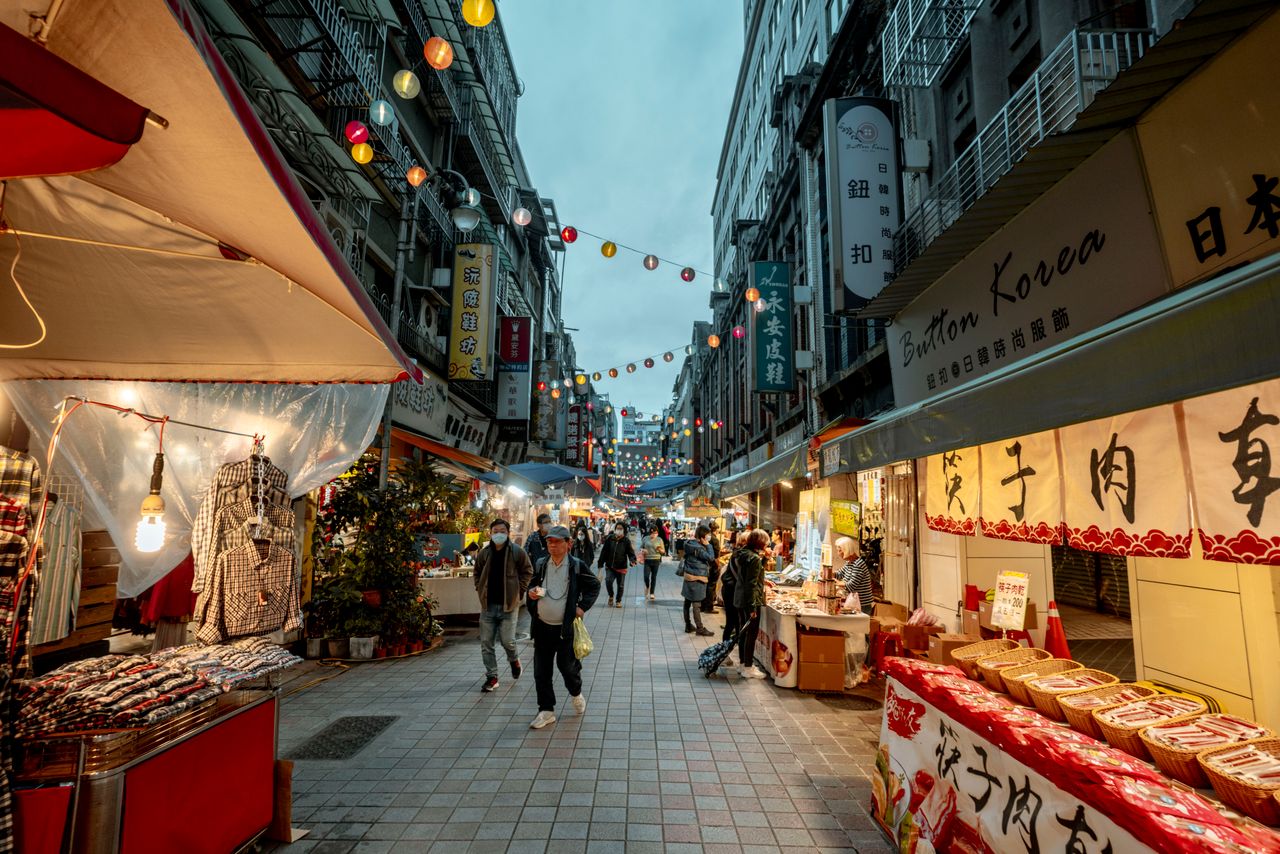
By day it is a pleasant place to browse and eat. On Friday, Saturday and Sunday evenings, the street closes to traffic and turns into the Jonker Street night market, Melaka’s liveliest few hours of the week.
The Jonker Street night market
The night market starts at 6pm and runs until midnight from Friday to Sunday. Stalls fill the length of the street selling snacks, drinks, trinkets, phone accessories and toys, while shopfronts stay open late. It gets very crowded by 8pm, especially on Saturdays and public holidays, so arrive around 6pm to walk and eat before the crush, or come late when the crowds thin.
Keep bags in front of you, carry small notes, and be prepared to queue at the most popular stalls.
What to eat on Jonker Street
Melaka is known for Peranakan (Baba Nyonya) cooking, a blend of Chinese and Malay traditions, and Jonker Street is the easiest place to sample it.
- Chicken rice balls: Hainanese chicken served with rice pressed into small balls, a Melaka speciality. Expect queues at lunchtime.
- Cendol with gula Melaka: shaved ice with green rice-flour jelly, coconut milk and dark palm sugar syrup, ideal in the afternoon heat. Durian cendol is a popular local twist.
- Nyonya laksa: noodles in a rich, spicy coconut broth.
- Nyonya kuih and pineapple tarts: colourful steamed cakes and buttery tarts, good for taking home.
- Night market snacks: popiah, oyster omelette, grilled squid, coconut shakes and freshly fried snacks.
For a sit-down Nyonya meal, the side streets around Jonker Street have several long-running restaurants serving dishes such as ayam pongteh (braised chicken with fermented bean paste) and itik tim (duck and salted vegetable soup).
Shopping and sights around Jonker Street
Beyond the stalls, Jonker Street is known for antique and curio shops, handmade shoes, batik, and souvenirs. Halfway along is Jonker Walk Heritage Park, a small tiled square with benches and a statue of local bodybuilder Gan Boon Leong.
One block north, Jalan Tokong is known as Harmony Street because three places of worship stand within a few hundred metres of each other: Cheng Hoon Teng, often described as the oldest functioning Chinese temple in Malaysia, the Kampung Kling Mosque with its pagoda-like minaret, and the Sri Poyyatha Vinayagar Moorthi Temple. One block south, Jalan Tun Tan Cheng Lock (Heeren Street) has the grandest Peranakan townhouses, including the Baba and Nyonya Heritage Museum.
Getting to Jonker Street
Buses from Kuala Lumpur arrive at Melaka Sentral, the city’s main bus terminal, around 2 to 2.5 hours from Terminal Bersepadu Selatan (TBS) depending on traffic. From Melaka Sentral, Melaka Town Bus No. 17 runs to the historic centre, or a Grab takes around 15 to 20 minutes. The street is about five minutes’ walk from Dutch Square. Driving in on night market evenings is slow, so park in a nearby car park and walk.
Best time to visit
For the full experience, come on a Friday or Saturday evening for the night market. For photographs and relaxed shopping, weekday mornings are quietest; some shops close one day a week. Melaka is hot and humid year-round, so plan cendol breaks in the early afternoon.
How it fits into a Melaka trip
Most people spend one or two nights in Melaka and walk everything in the old town: Jonker Street, the Stadthuys and Christ Church, the ruins of A Famosa and an evening Melaka River Cruise. Our Melaka City guide covers where to stay, and the city features as a stop on our Malaysia 7-day itinerary.
Tips for visiting Jonker Street
- Arrive at 6pm on night market evenings to eat before the crowds peak around 8pm.
- Carry small notes; most stalls are cash only.
- Visit Harmony Street (Jalan Tokong) one block north for three historic places of worship.
- Come on a weekday morning if you want photos of the shophouses without crowds.
- Do not drive into the old town on weekend evenings; park nearby and walk.
Jonker Street: frequently asked questions
What days is the Jonker Street night market open?
The Jonker Street night market runs every Friday, Saturday and Sunday from 6pm to midnight. The street closes to traffic during these hours. The shops and cafes along the street open during the day throughout the week.
What is Jonker Street famous for?
Jonker Street is famous for its weekend night market, Peranakan (Baba Nyonya) food, antique shops and heritage shophouses. It is the main street of Melaka's Chinatown and part of the city's UNESCO World Heritage area.
What should I eat on Jonker Street?
Try chicken rice balls, cendol with gula Melaka, Nyonya laksa, Nyonya kuih and pineapple tarts. On night market evenings, add popiah, oyster omelette and grilled snacks from the stalls. Go early to avoid the longest queues.
Is Jonker Street worth visiting on a weekday?
Yes, but it is a different experience. Weekdays are quieter and better for photography, cafes and shopping, but there is no night market. If you can only visit once, plan for a Friday or Saturday evening.
How do I get to Jonker Street from Melaka Sentral?
Take Melaka Town Bus No. 17 from Melaka Sentral towards the historic centre, or book a Grab, which takes around 15 to 20 minutes. Jonker Street is about five minutes' walk from Dutch Square and the Stadthuys.
More things to do in Melaka City
-
Melaka City
A Famosa
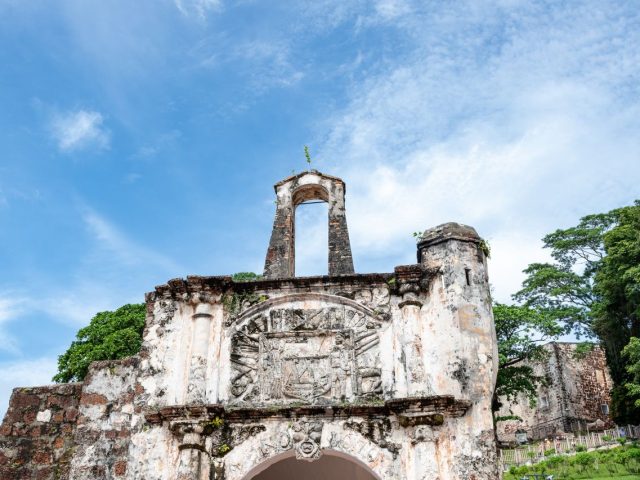
A Famosa is the surviving gateway, Porta de Santiago, of a Portuguese fortress built in Melaka in the early 1500s.
-
Melaka City
Melaka River Cruise
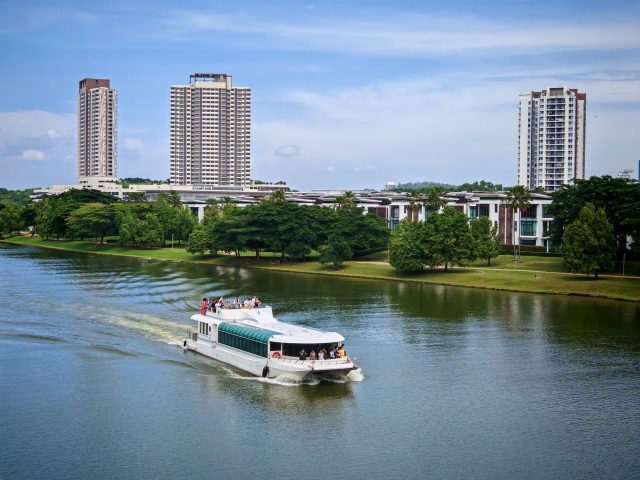
The Melaka River Cruise is a roughly 45-minute, 9 km boat trip through the heart of Melaka, passing the Stadthuys…
-
Melaka City
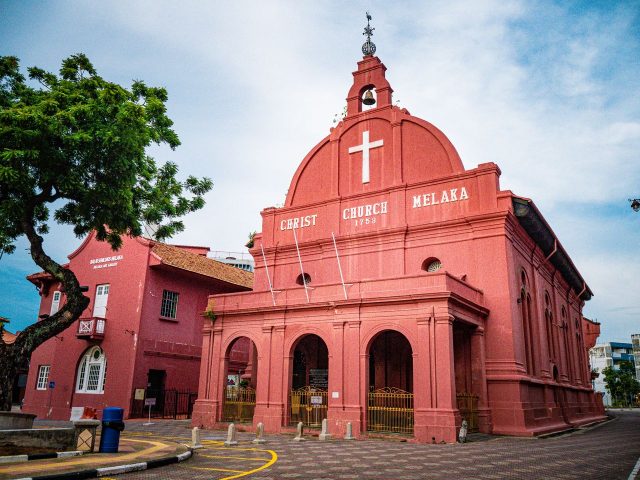
Stadthuys and Christ Church
The Stadthuys is a Dutch town hall built in Melaka from 1650 and now home to the History and Ethnography Museum.