Stadthuys and Christ Church: Melaka's Red Square

The Stadthuys in Melaka is the bright red building at the centre of the old town, and the image most people picture when they think of Melaka (Malacca). Construction began in 1650, when the Dutch built it as the office and residence of their governor, making it one of the oldest Dutch colonial buildings in Southeast Asia. Today it houses the History and Ethnography Museum.
Together with Christ Church, a red clock tower and a marble fountain, it forms Dutch Square, also known as Red Square, the centre of Melaka’s UNESCO-listed heritage zone.
Inside the Stadthuys Melaka museum
The museum traces Melaka’s story from the founding of the sultanate through Portuguese, Dutch and British rule to independence. Displays include traditional costumes, weapons, ceramics and household objects, and reconstructed rooms showing how the Dutch administrators lived. The building itself is part of the appeal: thick walls, heavy timber doors, louvred windows and a courtyard at the back.
One ticket covers several museums in the complex, including the History, Ethnography, Literature and Education museums, so allow at least an hour.
Tickets and opening hours
At the time of writing, the combined ticket from Perbadanan Muzium Melaka (PERZIM) costs RM20 for international adults and RM10 for children, with Malaysians paying RM10 and RM5. The museums open from 9am to 5.30pm, Tuesday to Sunday, with last entry at 4.30pm, and are closed on Mondays. Check the latest details on the PERZIM website.
Christ Church and Dutch Square
Next to the Stadthuys stands Christ Church, built by the Dutch in the mid-18th century and still used for Anglican services. Its plain red facade hides a simple interior with long wooden ceiling beams and old tombstones set into the floor. It is free to look in when open; dress modestly and keep quiet during services.
The red clock tower in the square is named after Tan Beng Swee, a wealthy Baba merchant, and was given by his family, and the fountain was built to mark Queen Victoria’s reign. Brightly decorated trishaws, many playing loud music and covered in cartoon characters, wait around the square for passengers.
Getting there and best time
Dutch Square is in the historic centre, across the bridge from Jonker Street and a short walk from A Famosa. From Melaka Sentral bus terminal, take a town bus or a Grab of around 15 to 20 minutes.
Arrive at 9am for photos of the square without crowds and before the heat builds. Weekends and school holidays are busy from mid-morning.
How it fits into your trip
Combine the Stadthuys with St Paul’s Hill and A Famosa for a two to three-hour walk, then cross to Jonker Street for lunch. Our Melaka City guide and Melaka state page have more, and the Malaysia 7-day itinerary shows how to fit Melaka into a first trip.
Tips for visiting Stadthuys and Christ Church
- Do not plan a Monday visit; the museums are closed.
- Arrive at 9am for photos of Dutch Square without crowds.
- Keep your ticket, as it covers several museums in the complex.
- Agree the price before taking a trishaw ride around the square.
- Dress modestly if you want to look inside Christ Church.
Stadthuys and Christ Church: frequently asked questions
What are the Stadthuys opening hours?
The History and Ethnography Museum in the Stadthuys opens from 9am to 5.30pm, Tuesday to Sunday, with last entry at 4.30pm. It is closed on Mondays. Check the PERZIM website for holiday changes.
How much is the Stadthuys entrance fee?
At the time of writing, the combined museum ticket costs RM20 for international adults and RM10 for children. Malaysians pay RM10 for adults and RM5 for children. One ticket covers several museums in the complex.
Is Christ Church Melaka free to enter?
Yes, Christ Church does not charge for entry when it is open to visitors. It is still an active Anglican church, so dress modestly and avoid visiting during services.
Why is the Stadthuys red?
The Stadthuys and the surrounding buildings of Dutch Square are painted a distinctive red, which is why the area is known as Red Square. The colour has become the signature look of Melaka's colonial centre.
More things to do in Melaka City
-
Melaka City
Jonker Street
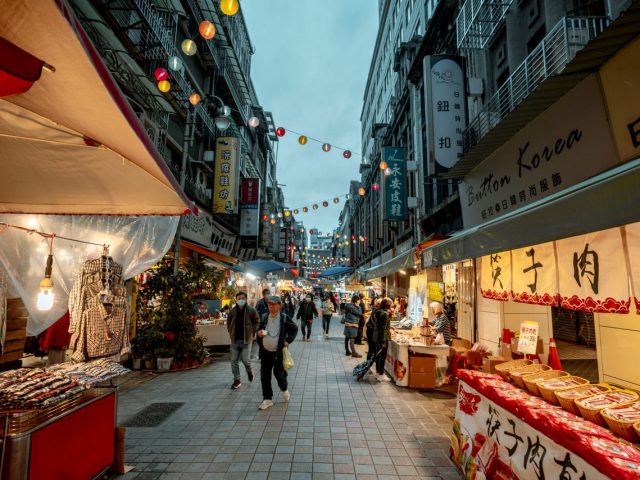
Jonker Street (Jalan Hang Jebat) is the main street of Melaka's Chinatown, lined with old shophouses, cafes and…
-
Melaka City
A Famosa
A Famosa is the surviving gateway, Porta de Santiago, of a Portuguese fortress built in Melaka in the early 1500s.
-
Melaka City
Melaka River Cruise
The Melaka River Cruise is a roughly 45-minute, 9 km boat trip through the heart of Melaka, passing the Stadthuys…