Taman Negara Guide: Visiting Malaysia's Oldest Rainforest
Peninsular Malaysia's great national park, an ancient lowland rainforest spread across Pahang, Kelantan and Terengganu, entered from the riverside village of Kuala Tahan.

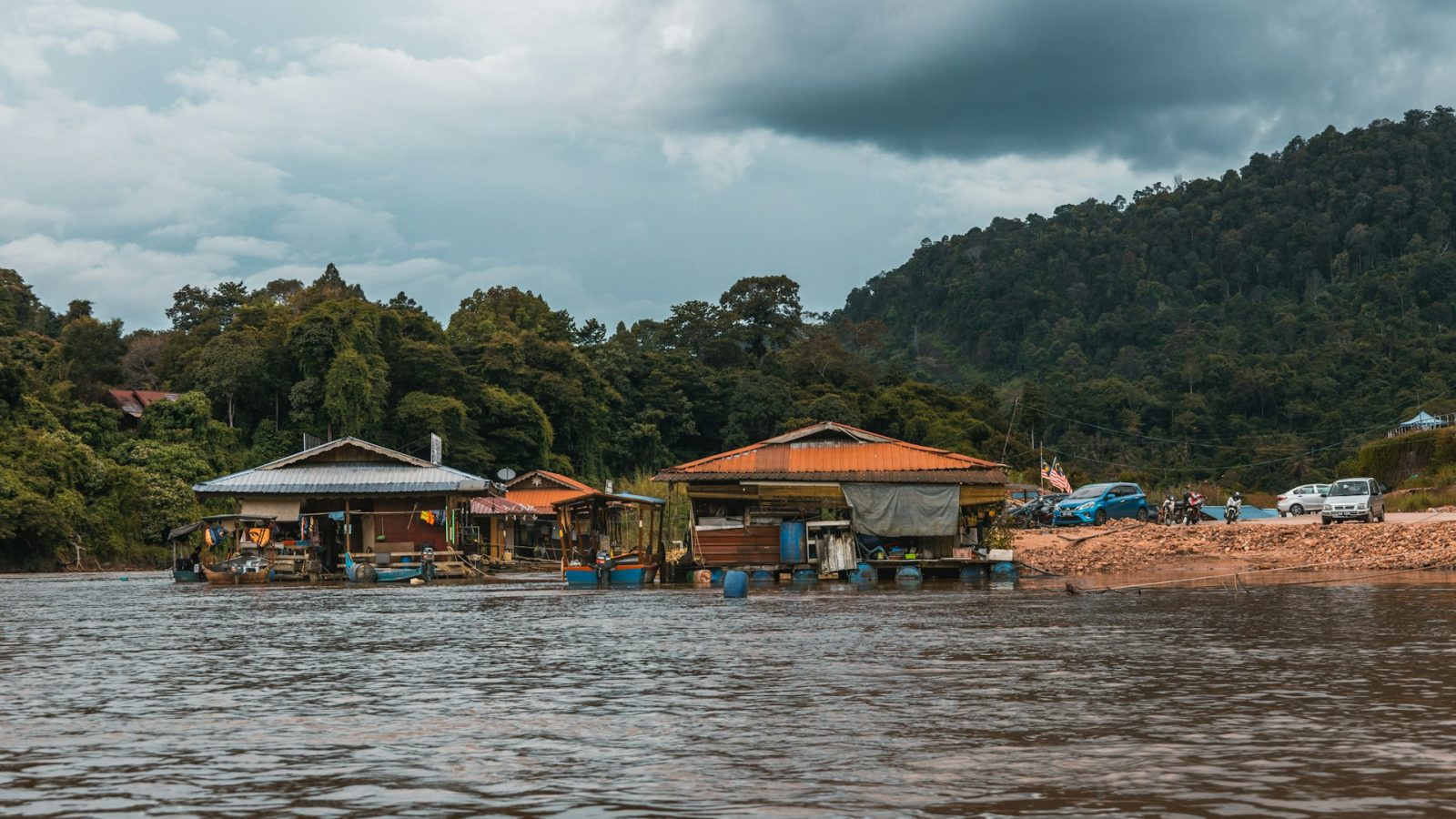
Taman Negara is Malaysia’s oldest national park and its most famous stretch of rainforest. Gazetted in 1938 and 1939 as King George V National Park, it covers 4,343 sq km across Pahang, Kelantan and Terengganu, and the forest is often said to be more than 130 million years old. Most visitors enter from Kuala Tahan in Pahang, a small village where the Tahan River meets the Tembeling, and it is the easiest place in the peninsula to experience proper lowland jungle.
Do not expect to see tigers or elephants. They live here, along with gaur, tapirs and hundreds of bird species, but the forest is dense and wildlife sightings near the village are a matter of luck. What Taman Negara delivers is the scale of the trees, the noise of the forest at night and long boat rides on a brown jungle river.
Things to do in Taman Negara
Jungle trekking
Trails start at park headquarters, a short boat crossing from Kuala Tahan. The most popular is the climb to Bukit Teresek, a steep, stepped walk of around an hour to a viewpoint over the forest canopy. Longer routes lead to caves such as Gua Telinga and to the Lata Berkoh rapids, and serious hikers can join a guided expedition of several days to Gunung Tahan, at 2,187m the highest peak in Peninsular Malaysia.
Canopy walkway
The rope bridges strung between the treetops near park headquarters have long been Taman Negara’s signature attraction. However, the main walkway on the Bukit Teresek route and a newer one at Seberang Ara were both reported closed for repairs in 2025, with no reopening date announced, and travellers reported it still closed in early 2026. See our Taman Negara canopy walkway page and check with the park office on arrival.
Night walks and hides
Guided night walks are one of the best things to do here. With a torch, guides point out stick insects, scorpions, sleeping birds, glowing fungi and, with luck, a slow loris or civet. Several wildlife hides overlook clearings and salt licks; you can visit by day or book an overnight stay in a hide for the best chance of seeing animals.
River trips
Longboat trips run upriver through small rapids, with swimming stops and, on some tours, a visit to a settlement of the Batek, one of the Orang Asli peoples who live in and around the park. Go with a guide who works with the community, ask before taking photographs, and treat the visit as an exchange rather than a show.
Getting to Taman Negara
The classic arrival is the three-hour longboat from Kuala Tembeling jetty, which most people book as part of a transfer package from Kuala Lumpur. The jetty steps are steep, there are no porters, and luggage stays at your feet in the boat, so pack light. The cheaper and faster alternative is a bus from KL to Jerantut and a local bus or minivan on to Kuala Tahan. Many travellers come in by boat and leave by road.
Minivans also link Kuala Tahan with Cameron Highlands, which makes the two easy to combine. Both appear in our 10-day Malaysia itinerary.
Practical tips for Taman Negara
- Buy your park permit (RM1) and camera licence (RM5) at the wildlife office in Kuala Tahan, at the time of writing.
- Wear leech socks or long socks over your trousers, and carry insect repellent.
- Bring cash. Kuala Tahan has few card payment options, so withdraw money in KL or Jerantut.
- Small boats ferry people across the river between the village and park headquarters for a small fare throughout the day.
- Pack a torch, a light rain jacket and quick-drying clothes; the humidity is high and nothing dries overnight.
Hire a licensed guide for anything beyond the short marked trails. Paths can be faint, signal is patchy and the heat and humidity are draining, so carry at least two litres of water on any trek.
When to go and how long to stay
February to September is the best time to visit, with drier trails and more reliable river levels. The northeast monsoon, roughly November to January, brings the heaviest rain, and floods can disrupt boats, trails and accommodation, so confirm with your operator before travelling at the end of the year.
Two or three nights is ideal. That allows a daytime trek to Bukit Teresek, a night walk, a river trip and a slow morning on the floating restaurants. Stay longer if you want to sleep in a hide or tackle one of the multi-day treks.
Where to stay in Taman Negara
Kuala Tahan village: the main base, on the opposite bank of the Tembeling River from the park headquarters, with hostels, chalets and guesthouses, floating restaurants and tour agents. Best for backpackers, budget travellers and anyone who wants choice.
Inside the park, by the headquarters: Mutiara Taman Negara is the only resort inside the park, with chalets set in the forest a short walk from the trailheads. Suits families and travellers who want more comfort and the earliest start on the trails.
Campsite at park headquarters: a basic campsite for those who want to sleep closer to the jungle. Good for hardy backpackers; bring insect repellent and a rain cover.
Jerantut: the nearest town, with simple hotels near the bus station. Only worth it as an overnight stop if you arrive too late for the last bus or boat.
How to get to Taman Negara
The most scenic route is by river. Tour operators in Kuala Lumpur run combined packages: a morning minibus via Jerantut to the jetty at Kuala Tembeling, then a longboat up the Tembeling River to Kuala Tahan, which takes around three hours. The boat usually leaves in the early afternoon, so you arrive in time for the evening.
By road, buses run from Kuala Lumpur to Jerantut, where local buses and minivans continue to Kuala Tahan. Driving from KL takes just over three hours. Tourist minivans also connect Kuala Tahan with Cameron Highlands and the east coast. On arrival, buy your park permit and camera licence at the wildlife office before you set off.
What to eat in Taman Negara
Most meals in Kuala Tahan are taken at the floating restaurants moored along the Tembeling River, which serve nasi goreng, mee goreng, simple curries, tom yam and fresh fruit juices. They are cheap, casual and the best place to watch the river traffic.
Look out for Pahang’s signature dish, gulai tempoyak ikan patin, river catfish cooked in a sour, pungent curry made with fermented durian, in Jerantut and around Kuala Tahan. Breakfasts of roti canai and nasi lemak are easy to find in the village before an early trek.
Taman Negara: frequently asked questions
How do I get to Taman Negara from Kuala Lumpur?
Most visitors book a transfer from KL that combines a minibus to Kuala Tembeling jetty with a three-hour longboat to Kuala Tahan. Alternatively, take a bus to Jerantut and a local bus or minivan to Kuala Tahan, or drive in just over three hours.
Is the Taman Negara canopy walkway open?
The canopy walkways were reported closed for repairs in 2025, with no reopening date given, and travellers reported them still closed in early 2026. Check with the park office in Kuala Tahan when you arrive before planning your day around it.
How many days do you need in Taman Negara?
Two or three nights is ideal. That covers a jungle trek, a guided night walk and a river trip without rushing. Allow extra days for an overnight stay in a wildlife hide or a multi-day trek.
What is the best time to visit Taman Negara?
February to September is the best time, when the weather is drier and trails are less muddy. The northeast monsoon, roughly November to January, brings heavy rain and occasional flooding that can disrupt boats and trails.
Do you need a permit for Taman Negara?
Yes. At the time of writing, visitors pay RM1 for a park permit and RM5 for a camera licence at the wildlife office in Kuala Tahan. Guided treks, night walks and hides may carry separate charges.
Can you see wild animals in Taman Negara?
The park is home to tigers, elephants, gaur and tapirs, but they are rarely seen near Kuala Tahan. You are much more likely to spot birds, monkeys, insects and small mammals, especially on a guided night walk or during a night in a hide.
Things to do in Taman Negara

Places near Taman Negara
-
Pahang
Cameron Highlands
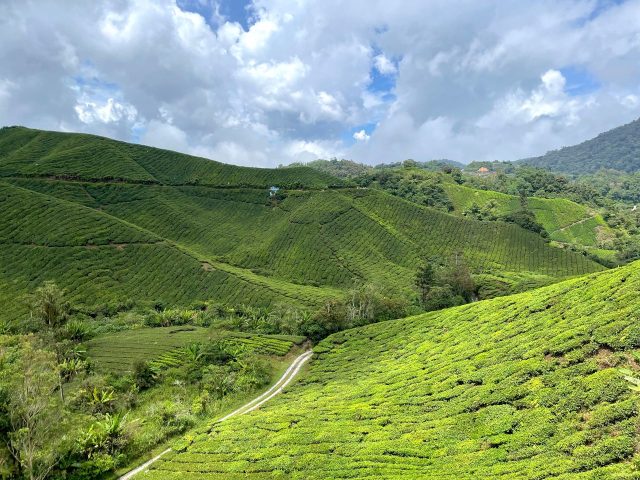
Malaysia's best-known hill station, a cool upland of tea estates, market gardens and cloud forest about four hours…
-
Pahang
Genting Highlands
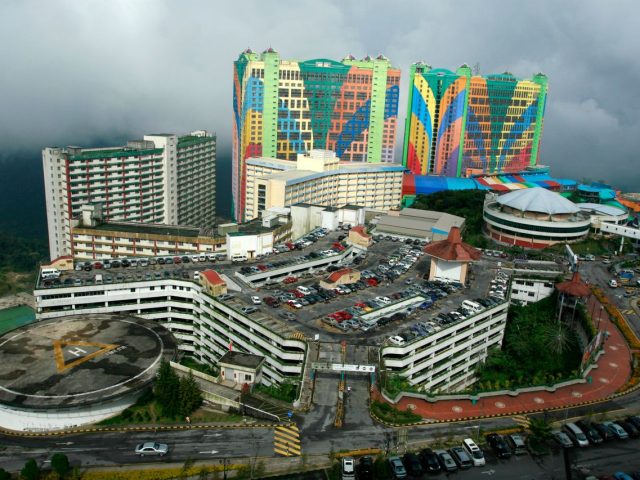
A cool hilltop resort city on the Pahang and Selangor border, about an hour from Kuala Lumpur, built around theme…
-
Pahang
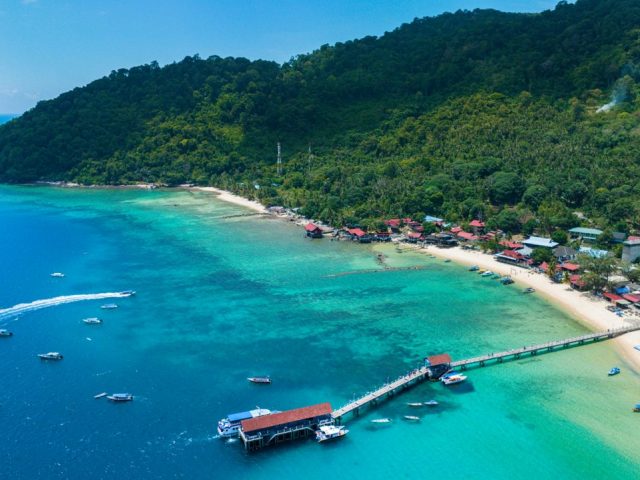
Tioman Island
A mountainous, rainforest-covered island off Pahang's east coast, with quiet village beaches, good snorkelling and…
-
Terengganu
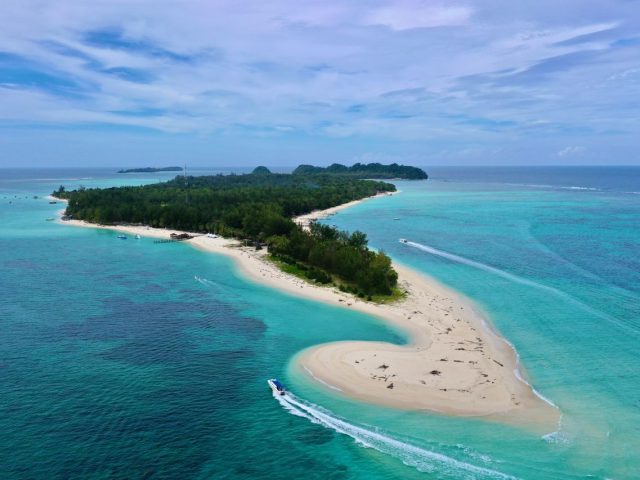
Perhentian Islands
Two small, car-free islands off the Terengganu coast with clear water, easy reef snorkelling and a laid-back beach…