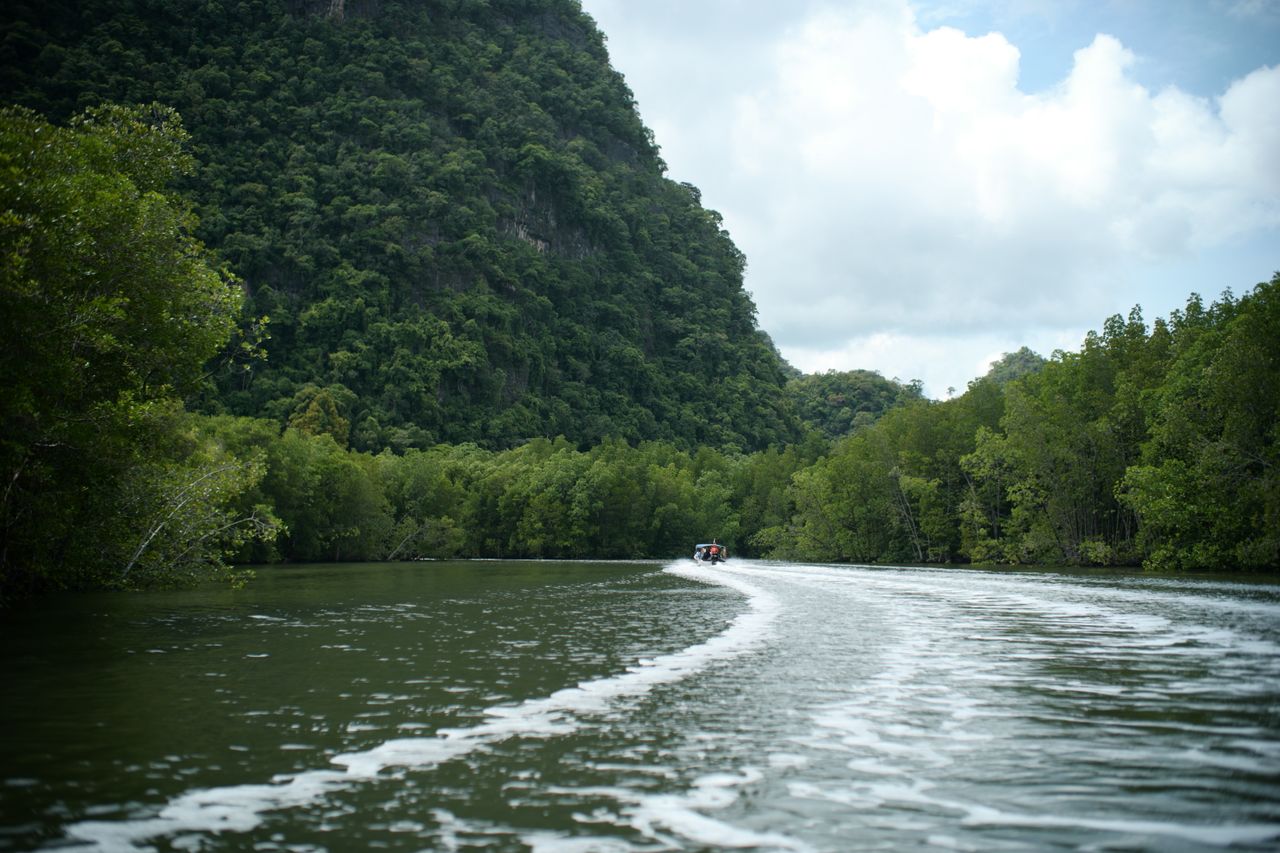

Kilim Geoforest Park is the largest of the three geoforest parks that make up Langkawi’s UNESCO Global Geopark, the first in Southeast Asia when it was listed in 2007. It covers 4,354 hectares of the island’s north-east corner, where the Kilim River and its tributaries wind through mangrove forest and sheer limestone towers on their way to the Andaman Sea. The park stretches roughly 10 km from Kisap village up towards Tanjung Rhu.
The scenery is the draw: grey and black karst cliffs dripping with vegetation, sea stacks, natural arches and narrow channels where the mangrove roots close in on both sides. It feels a world away from the beach strips of the west coast.
What you see on a Kilim Geoforest Park boat tour
Almost every visit is by boat from the Kilim jetty (Jeti Pelancongan Sungai Kilim). Tours are sold per boat rather than per person, usually in blocks of two, three or four hours, and the route is similar with most operators.
- The karst and mangroves. The limestone here belongs to the ancient Setul Formation, worn by water into pinnacles and overhangs. Look for the limestone cycad clinging to the cliffs.
- Gua Kelawar (Bat Cave). A short boardwalk through mangroves leads to a cave where small colonies of bats roost in the ceiling. A torch on your phone helps.
- Crocodile Cave. A low tidal cave the boat passes through or alongside; the name is folklore rather than a promise of crocodiles.
- Eagle watching. Brahminy kites and white-bellied sea eagles circle over the river. Some boatmen throw chicken skin to make them dive, a practice conservationists discourage; you can ask your driver not to.
- Floating fish farm. Most tours stop at a fish farm on stilts, where you can see groupers, rays and horseshoe crabs and, at some, have a seafood lunch.
- The open sea. Longer tours run out to where the river meets the Andaman Sea, with views of offshore islands and the Thai coast on clear days.
Wildlife sightings vary, but macaques, monitor lizards, tree crabs, kingfishers and sometimes otters are common along the banks.
Choosing a tour
A two-hour trip covers the main stops at a brisk pace. Three or four hours gives time to linger, eat at the fish farm and head out to sea. Prices vary by operator, boat size and season, so agree the duration, stops and total price before you set off. You can book on arrival at the jetty, through your hotel, or online with pick-up; kayaking tours through the mangroves are a quieter alternative if you are comfortable paddling in the heat.
Getting to Kilim jetty
The jetty is in Mukim Air Hangat in the north-east of the island, roughly 25 minutes by car from Kuah and around 45 minutes from Pantai Cenang. There is no useful bus service, so take a Grab or taxi, drive yourself, or book a tour with transfers. If you go independently, arrange your ride back in advance, as Grab cars can be scarce out here.
Best time to visit
Go in the morning. The light on the cliffs is softer, the boats are fewer, and you avoid the strongest heat and the afternoon thunderstorms that build from about May to October. The drier months from December to March bring the calmest water for the sea section. Boats have shade canopies, but the glare off the water is fierce at midday.
How it fits into a Langkawi trip
A Kilim tour fills a morning or a long half-day. Combine it with lunch at the fish farm and an afternoon at Tanjung Rhu beach nearby, or with Kuah town and Eagle Square on the way back. It appears on day two of our 4-day Langkawi itinerary, and our Langkawi guide covers the rest of the island. Langkawi belongs to the state of Kedah.
Tips for visiting Kilim Geoforest Park
- Book a morning slot for softer light, calmer water and fewer boats.
- Confirm the tour length, stops and total price per boat before you leave the jetty.
- Ask your boatman not to feed the eagles; you will still see them overhead.
- Bring a hat, sunscreen and water; the glare off the river is strong even under the canopy.
- Arrange your return transport in advance, as Grab cars are scarce in this corner of the island.
Kilim Geoforest Park: frequently asked questions
How much is the Kilim mangrove tour?
Tours are usually priced per boat and depend on duration, boat size and operator, with two, three and four-hour options. Prices are generally better value if you fill the boat. Agree the price and stops before departing, and check whether hotel transfers are included.
How long is the Kilim Geoforest Park tour?
Most tours run for 2 to 4 hours. Two hours covers the main stops such as the bat cave, eagle watching and the fish farm. Longer tours add time at the fish farm, a seafood lunch and a run out to the open sea.
Is the Kilim mangrove tour worth it?
Yes, it is the best way to see Langkawi's limestone karst and mangroves, which are the reason the island is a UNESCO Global Geopark. The scenery is quite different from the beaches. Choose an operator who does not feed the eagles if wildlife welfare matters to you.
Where do Kilim boat tours start?
Tours start from the Kilim River tourism jetty in Mukim Air Hangat, in the north-east of Langkawi. It is around 25 minutes by car from Kuah and 45 minutes from Pantai Cenang. Many tour packages include hotel pick-up.
Can you kayak in Kilim Geoforest Park?
Yes, guided kayaking trips through the mangroves are offered by several operators. They move more slowly and quietly than motorboats, which can be better for spotting wildlife. Go early in the day to avoid the heat.
More things to do in Langkawi
-
Langkawi
Langkawi Cable Car (SkyCab)
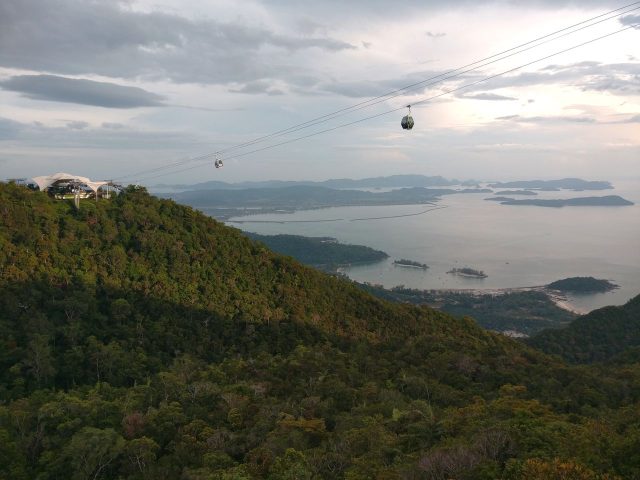
The Langkawi cable car, or SkyCab, climbs about 2.2 km from Oriental Village to a 708-metre summit station on Gunung…
-
Langkawi
Langkawi Island Hopping
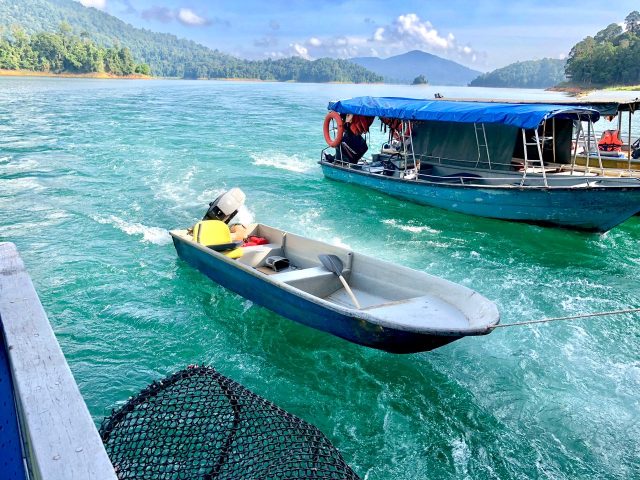
Langkawi island hopping is a half-day boat tour, usually about 4 hours, visiting the freshwater lake on Pulau Dayang…
-
Langkawi
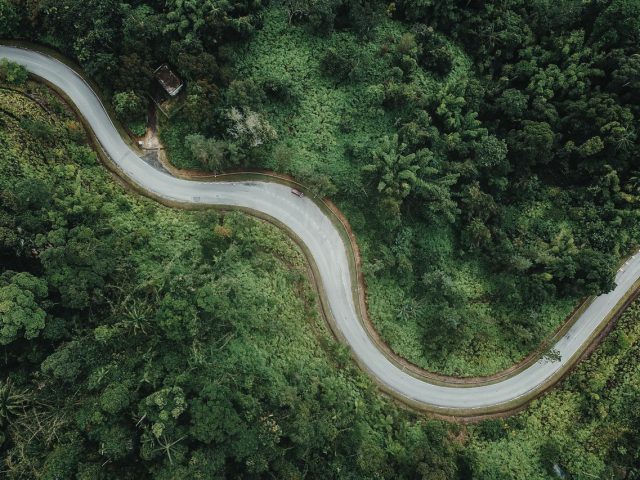
Langkawi Sky Bridge
The Langkawi Sky Bridge is a 125-metre curved walkway about 660 metres above sea level on Gunung Machinchang.
-
Langkawi
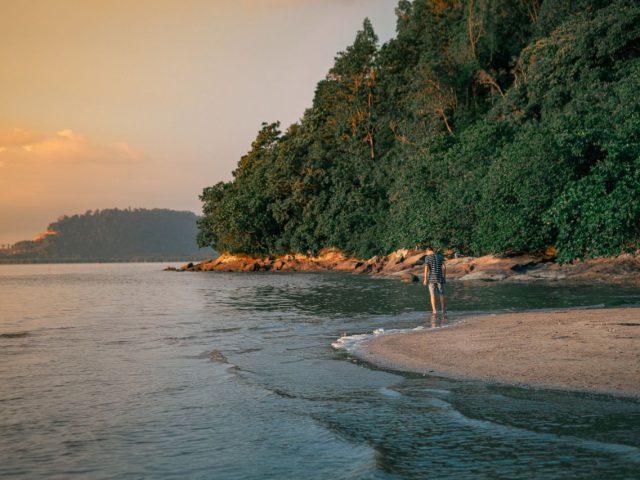
Pantai Cenang
Pantai Cenang is Langkawi's busiest beach, a roughly 2 km strip of pale sand on the south-west coast lined with…
-
Langkawi
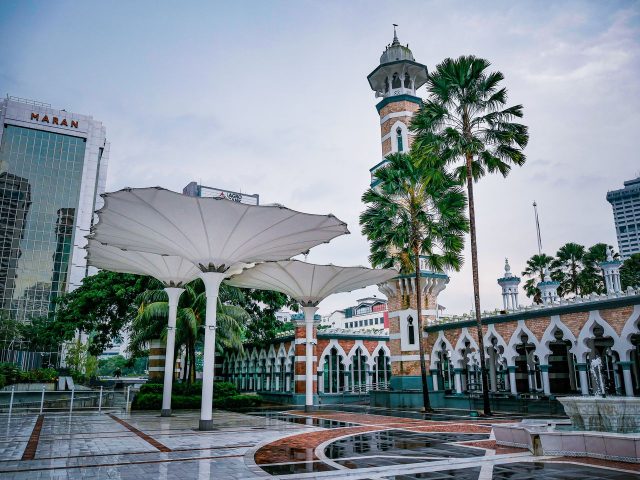
Eagle Square (Dataran Lang)
Eagle Square (Dataran Lang) is Langkawi's symbol: a 12-metre sculpture of an eagle about to take flight on the Kuah…
Itineraries that include Kilim Geoforest Park
-
 10 days
Malaysia 10-Day Itinerary: Cities, Highlands and Islands
First-timers and couples who want a balanced trip: a big city, cool highlands, a heritage food town and a few days on…
-
14 days
Malaysia 2-Week Itinerary with Borneo
Travellers with a fortnight who want the peninsula's food and heritage plus a beach break, then Borneo's islands…
-
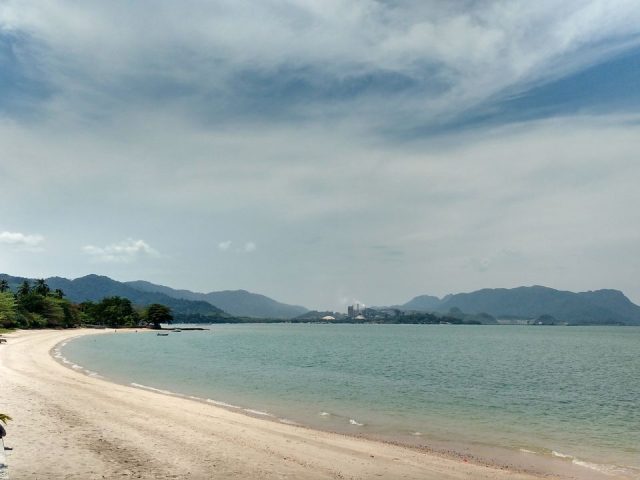 4 days
4 Days in Langkawi: The Perfect Island Itinerary
For couples, families and beach lovers who want a relaxed island break with a few easy half-day adventures each day.
-
7 days
Malaysia Family Itinerary: 7 Days with Kids
Families with children of most ages who want a mix of city sights and easy beach days, with only one short flight.