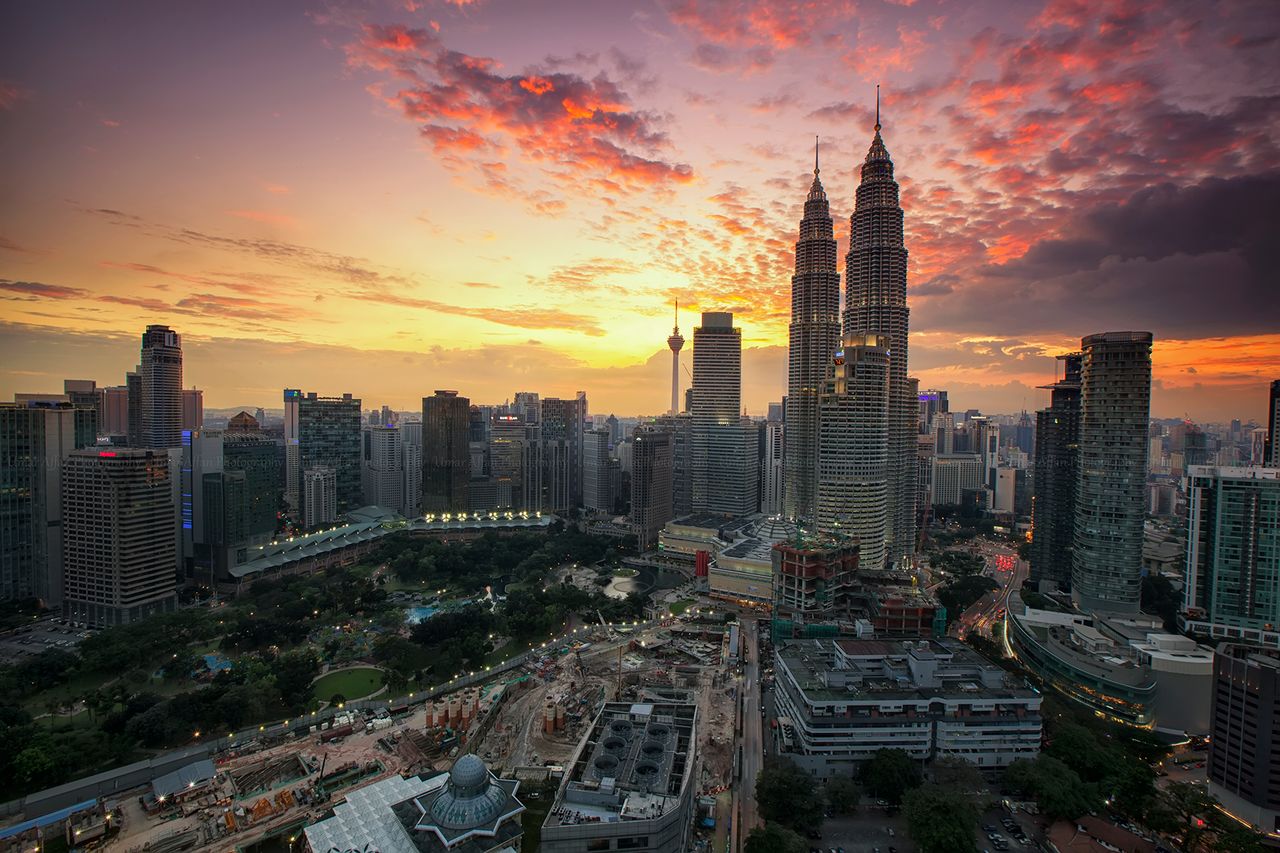
Malaysia 2-Week Itinerary with Borneo
Travellers with a fortnight who want the peninsula's food and heritage plus a beach break, then Borneo's islands, rainforest and wildlife.

Two weeks in Malaysia gives you time to see both halves of the country. This route spends nine days on the peninsula, in Kuala Lumpur, George Town and Langkawi, then flies across the South China Sea to Sabah in Malaysian Borneo for marine park islands, the foothills of Mount Kinabalu, orangutans at Sepilok and a night on the Kinabatangan River.
Who this 2 weeks in Malaysia route suits
It is for travellers who want city food, heritage and a beach, but whose real goal is wildlife they cannot see anywhere else. You will take the train once and fly four times, so it suits people who prefer covering distance quickly to spending long days on buses. If Borneo is your main interest, our Sabah 7-day itinerary goes deeper, including a Mount Kinabalu climb.
Route logic
The peninsula runs north from Kuala Lumpur to George Town and on to Langkawi, so you never double back. Langkawi has no direct flights to Borneo, so day 10 is a travel day via KLIA. In Sabah you start in Kota Kinabalu, the main gateway, then fly east to Sandakan for Sepilok and the river, and fly home from there via KL.
Transport between stops
- KL to Penang: ETS train from KL Sentral to Butterworth, about 4 hours on Platinum services, then the passenger ferry to George Town in under 15 minutes.
- Penang to Langkawi: the direct ferry has been discontinued; flights take about 35 to 40 minutes.
- Langkawi to Kota Kinabalu: fly to KLIA (a little over an hour), then on to Kota Kinabalu (about 2.5 hours).
- Kota Kinabalu to Sandakan: AirAsia flies the route several times a day in about 50 minutes.
- Sandakan home: direct flights to KLIA take just under 3 hours.
Where to stay
In KL, stay in Bukit Bintang or KLCC. In George Town, choose a shophouse hotel in the heritage zone. On Langkawi, Pantai Cenang is the practical base. In Kota Kinabalu, stay in the city centre near the waterfront for easy access to the island ferry terminal. Near Sandakan, sleep at one of the lodges in Sepilok, beside the orangutan centre, and book a river lodge at Sukau or Bilit for the Kinabatangan.
Booking tips and costs
Book the Borneo section first. Kinabatangan lodges usually sell packages that include transfers, meals and guided cruises, and the good ones fill months ahead in July and August. Then book your domestic flights together, leaving at least two hours for the connection at KLIA on day 10, ideally on a single booking so a delay does not strand you.
Our estimate of RM6,000 to RM8,500 per person, excluding international flights, assumes mid-range travel: shared double rooms at RM250 to RM450 a night, a two-day, one-night Kinabatangan lodge package, four domestic flights booked a few weeks ahead, the ETS train, meals mixing hawker stalls and restaurants, and tickets and tours at each stop. Booking flights early is the single biggest saving.
Sabah’s east coast can be wet from November to February, but wildlife viewing continues year-round. Read our best time to visit Malaysia guide to balance the two coasts.
-
Day 1: Arrive in Kuala Lumpur, Petronas Towers and Jalan Alor
Morning: Take the KLIA Ekspres to KL Sentral and check in. After a long-haul flight, rest through the hottest part of the day.
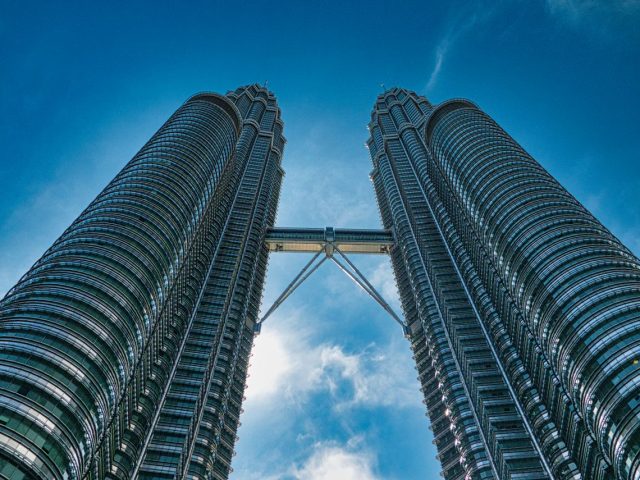
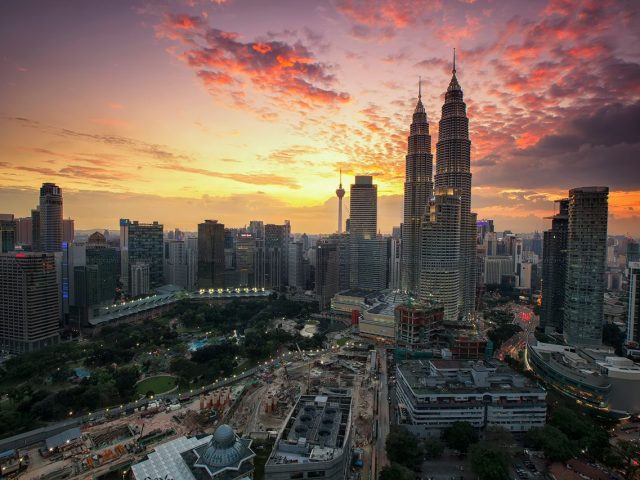
Afternoon: Go to KLCC for the Petronas Twin Towers. Timed tickets for the Skybridge and observation deck sell out, so book online before you travel. Walk the paths of KLCC Park afterwards and cool off in the Suria KLCC mall.
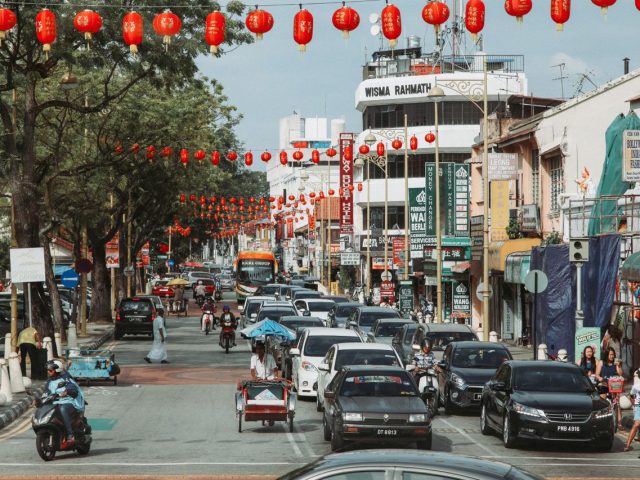
Evening: Stay in the park until the towers light up, then walk the elevated, air-conditioned walkway to Bukit Bintang, about 20 minutes. Eat on Jalan Alor, KL’s best-known food street, where plastic tables fill the road from early evening. Order grilled chicken wings, satay, char kway teow and stir-fried kangkung, and finish with durian or mango from a fruit stall. It is a lively, noisy introduction to how Malaysians eat: late, outdoors and with plenty of dishes to share.
-
Day 2: Batu Caves, Merdeka Square and the Islamic Arts Museum
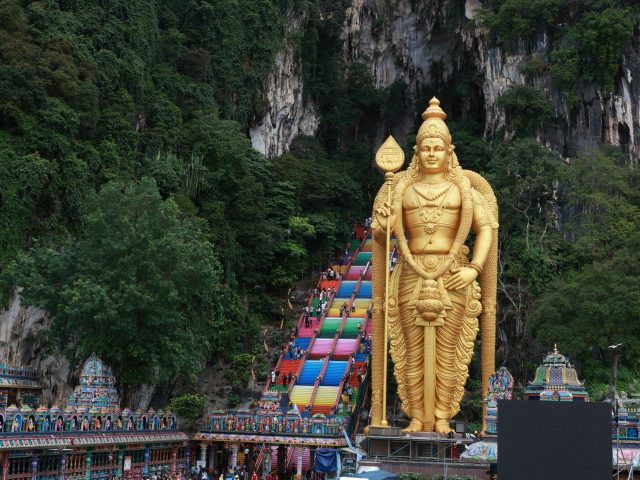
Morning: Take the KTM Komuter train from KL Sentral to Batu Caves, about 30 minutes. Climb the 272 rainbow steps to Temple Cave early, ideally by 8am, before the heat and coach groups. Cover shoulders and knees; sarongs are available at the base.
Afternoon: Spend the hottest hours at the Islamic Arts Museum Malaysia beside the Lake Gardens, one of the best museums in the region, with galleries of manuscripts, textiles, jewellery and scale models of famous mosques. Allow about two hours, then take a short ride to Merdeka Square to see the Sultan Abdul Samad Building and the green where independence was declared in 1957.
Evening: Walk through Chinatown, past Sri Mahamariamman Temple and the Guan Di Temple on Jalan Tun H.S. Lee, to the lanes of Kwai Chai Hong. Eat at one of the old coffee shops or the stalls on Petaling Street.
-
Day 3: KL Bird Park, KL Tower and Thean Hou Temple
Morning: Return to the Lake Gardens for the KL Bird Park, a huge walk-in aviary where hornbills, peacocks and egrets move freely around you. Go when it opens, as the birds are most active and the feeding sessions are spread through the morning. Allow two to three hours.
Afternoon: Rest at your hotel during the heat, then head to the KL Tower in the late afternoon. Its observation deck stands on a forested hill in the city centre and looks straight across to the Petronas Towers. Arrive about an hour before sunset to see the city in daylight, at dusk and lit up after dark.
Evening: Take a Grab south to Thean Hou Temple, a six-tiered Chinese temple whose lanterns glow red after dark, and which is free to enter. Return to Bukit Bintang or Chinatown for dinner. Pack tonight: tomorrow’s train leaves from KL Sentral in the morning.
-
Day 4: ETS train to Penang, street art walk
Morning: Board a morning ETS train from KL Sentral to Butterworth. Platinum services take about 4 hours, passing oil palm estates and the limestone hills of Perak. Bring a jumper for the air conditioning and snacks for the journey.
Afternoon: From Butterworth station, walk through Penang Sentral to the passenger ferry, a crossing of under 15 minutes. Check in to a hotel in George Town’s UNESCO heritage zone.
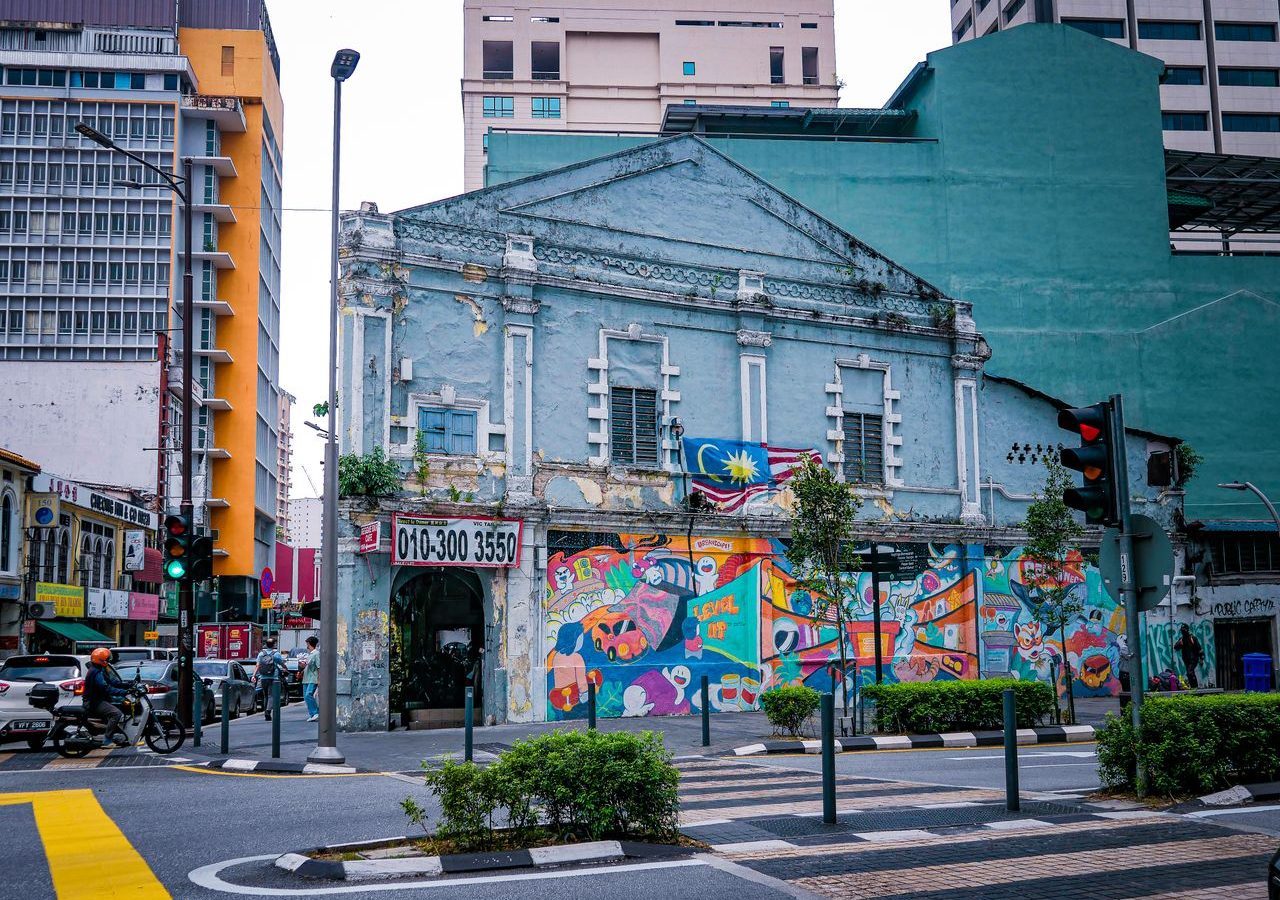
Late afternoon: Start your Penang street art walk once the heat eases after 4pm. Begin on Armenian Street with the children-on-a-bicycle mural, then work through Lebuh Cannon, Lebuh Ah Quee and Lebuh Chulia. Look out for the wrought-iron caricatures fixed to walls, which tell the story of each street in a few lines.
Evening: Eat at Red Garden on Lebuh Chulia or walk to the night stalls along Lebuh Kimberley for duck kway chap, char kway teow and dessert soups.
-
Day 5: Clan jetties, Cheong Fatt Tze Mansion and Gurney Drive
Morning: Walk down to Weld Quay early for the clan jetties. Chew Jetty is the largest, a timber walkway lined with stilt houses still lived in by members of the Chew clan. Be respectful: these are homes, so keep to the boardwalk and do not photograph people without asking. Continue to the Khoo Kongsi clan temple, a richly carved complex hidden behind a row of shophouses.
Late morning: Take the guided tour of Cheong Fatt Tze Mansion, the indigo courtyard house on Lebuh Leith. Visits are by guided tour only, at set times, so check the schedule and arrive early.
Afternoon: Rest in a café on Lebuh Armenian, or walk the waterfront to Fort Cornwallis and the Esplanade, where the colonial town began.
Evening: Take a Grab to the Gurney Drive hawker centre on the north coast, about 15 minutes away. Try oyster omelette, Penang rojak, lor bak and a bowl of assam laksa, then walk the seafront promenade.
-
Day 6: Penang Hill and Kek Lok Si Temple
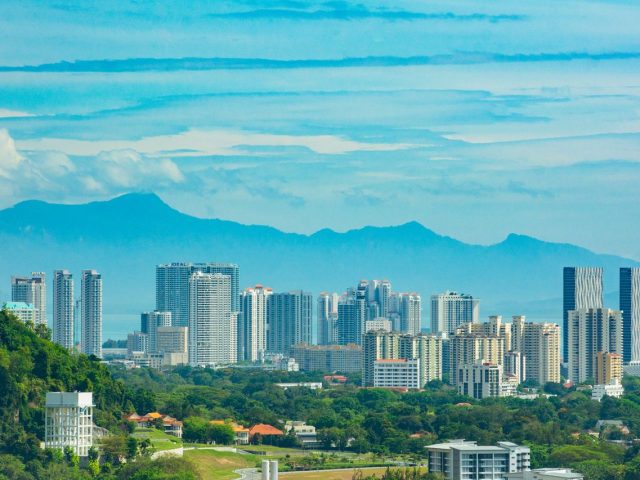
Morning: Head to Air Itam, about 25 minutes from George Town by Grab, and take the Penang Hill funicular early to avoid the queues. At the summit, the air is cooler and the paths lead to viewpoints over the city, the strait and the Penang Bridge. The Habitat, a paid nature park at the top, has a canopy walk and well-made forest trails.
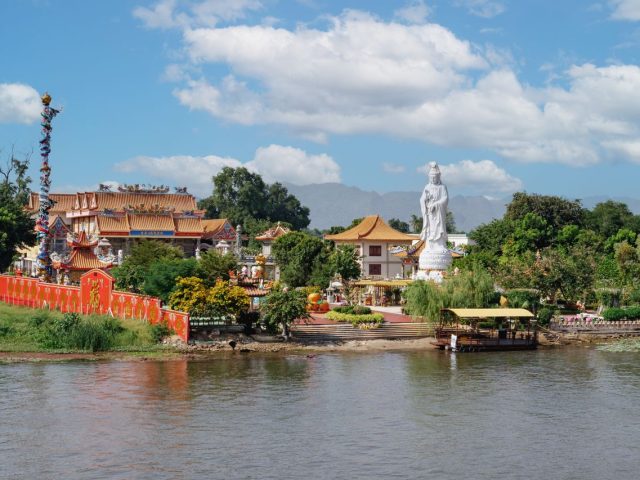
Afternoon: Ride down and go to Kek Lok Si Temple on the neighbouring hillside. Allow about two hours for the prayer halls, the seven-storey pagoda that mixes Chinese, Thai and Burmese styles, and the giant bronze Guan Yin, reached by an inclined lift. Combining both sights in one day saves a second trip.
Evening: Try the assam laksa from the stalls near Air Itam market, a sour, fish-based noodle soup that is Penang’s signature dish. Back in town, pack for tomorrow’s flight and have a final drink on Lebuh Chulia.
-
Day 7: Fly to Langkawi, afternoon on Pantai Cenang
Morning: Take a morning flight from Penang to Langkawi, which takes about 35 to 40 minutes. The direct ferry between the islands no longer runs. From Langkawi International Airport, Pantai Cenang is about 10 minutes by Grab.
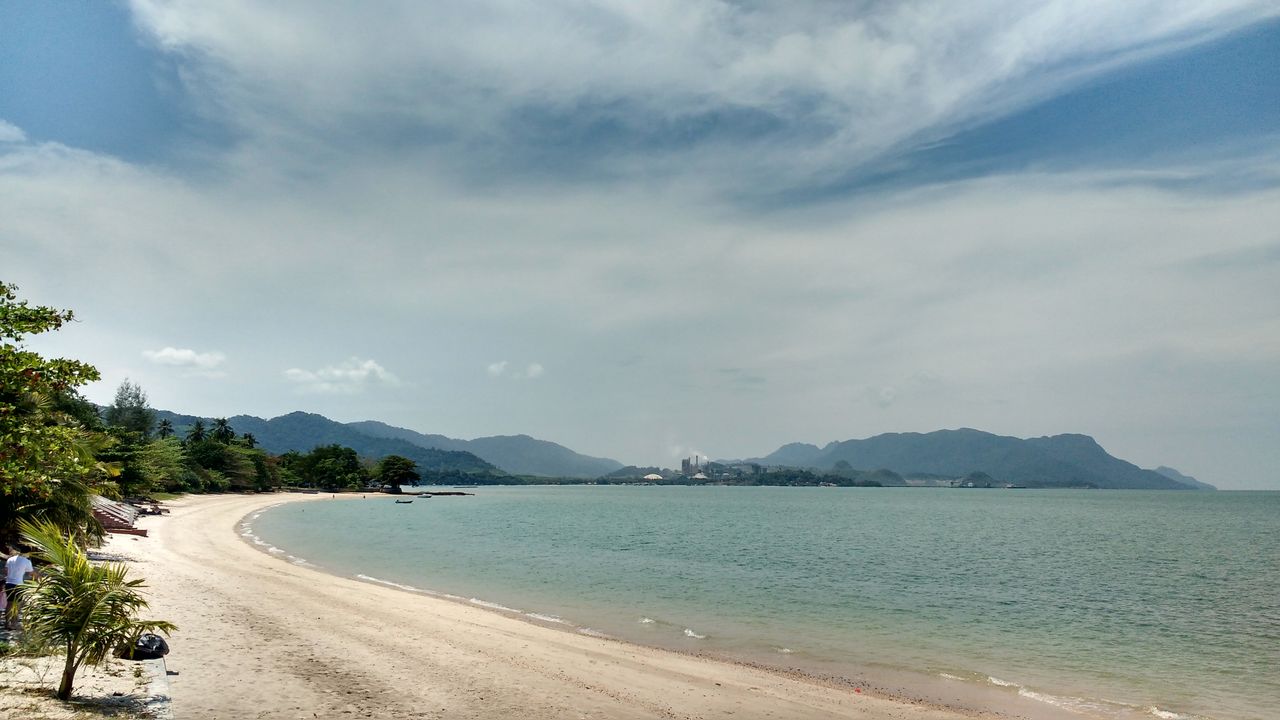
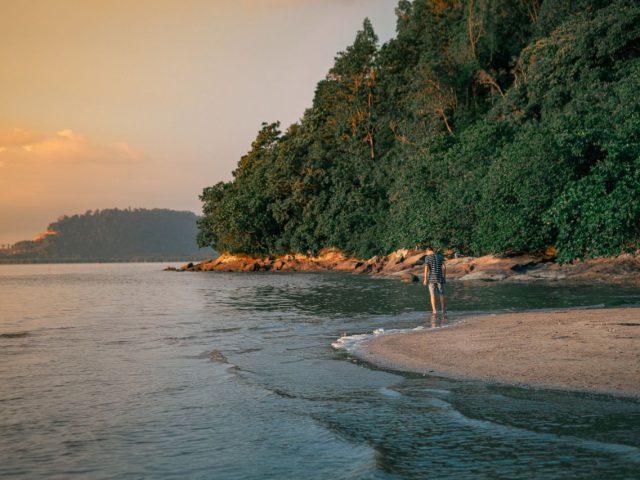
Afternoon: After a busy week, take the afternoon off. Pantai Cenang is a long west-facing beach of soft sand with calm water for most of the year. Rent a sun lounger, swim, or try a jet ski or parasail from the operators on the sand. Langkawi is a duty-free island, so a cold drink costs less here than on the mainland.
Late afternoon: Rent a car or scooter for the next two days if you are comfortable driving; it makes the island far easier to explore, and the roads are quiet compared with the mainland. Check your licence and insurance first.
Evening: Watch the sunset from the beach, then walk the strip for dinner. Grilled seafood restaurants line the main road; ikan bakar, fish grilled in banana leaf with sambal, is a good order.
-
Day 8: Langkawi SkyCab and Sky Bridge
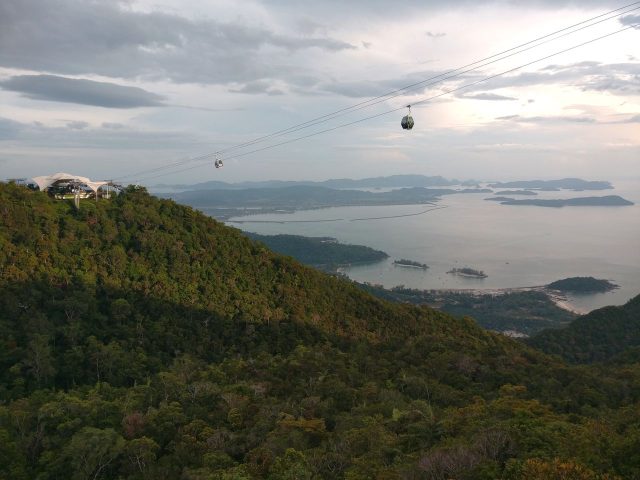
Morning: Drive about 30 minutes to Oriental Village at Teluk Burau for the Langkawi SkyCab. Arrive near opening, when the skies are usually clearer and the queues shorter. The cable car climbs steeply to the summit of Gunung Mat Cincang, with views over rainforest and, on clear days, the islands of southern Thailand.
Late morning: From the top station, walk down or take the SkyGlide to the Langkawi Sky Bridge, the curved walkway suspended above the forest canopy. Both the cable car and the bridge close in high winds and on scheduled maintenance days, so check the official site the day before. Allow three to four hours in total.
Afternoon: Stop at Telaga Tujuh, the seven wells waterfall a short drive away, for a swim if the water level allows, or drive the quiet coastal road north to Tanjung Rhu for a calmer beach.
Evening: Eat in Pantai Tengah, just south of Cenang, which has a quieter choice of restaurants.
-
Day 9: Kilim mangroves and island hopping
Morning: Drive to the Kilim jetty on the north-east coast, about 45 minutes from Pantai Cenang, for a boat tour of Kilim Geoforest Park. Boats wind through mangrove channels between limestone cliffs, with stops at a bat cave and a floating fish farm, and you will often see eagles overhead. A two to three hour tour fits a morning comfortably.
Afternoon: Join an afternoon island-hopping trip from Pantai Cenang. The standard route visits Pulau Dayang Bunting and its freshwater lake, an eagle-watching stop near Pulau Singa Besar and the beach at Pulau Beras Basah. Bring cash for small entry and life jacket fees, plus water and sunscreen.
Evening: Spend your last Langkawi night on the beach at sunset. Pack carefully tonight: tomorrow you fly to Borneo via Kuala Lumpur, and Sabah has its own immigration check, even for travellers arriving from the peninsula, so keep your passport handy.
-
Day 10: Fly to Kota Kinabalu via Kuala Lumpur
Morning: Fly from Langkawi to KLIA, a little over an hour. Book a connection with at least two hours on the ground, and preferably both legs on one ticket so a delay is the airline’s problem rather than yours.
Afternoon: Fly from KLIA to Kota Kinabalu, about 2.5 hours. Sabah runs its own immigration controls, so you will have your passport checked on arrival even on a domestic flight. The airport is about 20 minutes from the city centre by Grab.
Evening: Check in near the waterfront and walk to the night market by the sea. Its seafood section is where locals pick live fish, prawns and crab to be grilled on the spot, sold by weight; agree the price before cooking starts. The stalls nearer the road sell cheaper snacks such as grilled chicken wings and Sabahan noodle dishes. Afterwards, stroll along the waterfront promenade, where bars and restaurants face west over the sea. Get an early night ahead of tomorrow’s boat trip to the islands.
-
Day 11: Tunku Abdul Rahman Park islands
Morning: Go to the Jesselton Point ferry terminal, which has moved to the South Jetty at Kota Kinabalu Port near JQ Central. Boats start around 8am and the ride to the islands of Tunku Abdul Rahman Park takes about 30 minutes. Buy a one, two or three island ticket; at the time of writing a two island adult ticket costs RM58, plus a marine park conservation fee of RM25 for international adults, paid separately.
Midday: Sapi and Manukan are the easiest pair. Sapi is small, with clear water and good snorkelling off the beach; Manukan has the longest sandy beach and more facilities. Rent snorkel gear at the jetty if you did not bring your own, and wear reef-safe sunscreen.
Afternoon: The last boats back leave the islands at about 4pm, so watch the time.
Evening: Watch the sunset from the waterfront, then eat Sabahan specialities such as tuaran mee (fried egg noodles) and hinava, a raw fish salad cured in lime.
-
Day 12: Day trip to Kinabalu Park
Morning: Leave early for Kinabalu Park headquarters, 88km from the city on the road to Ranau; allow around two hours each way by private car or tour. Mount Kinabalu, Malaysia’s highest peak, is usually clearest in the early morning before cloud builds. Climbing to the summit needs a permit, a licensed guide and two days, so this plan stays in the park’s lower forest.
Late morning: Walk the short nature trails around park headquarters, through montane forest full of orchids, pitcher plants and birdlife. Bring a fleece, as the temperature at around 1,500 metres is far cooler than on the coast.
Afternoon: Many tours continue to Kundasang for its vegetable stalls and dairy farm, with views of the mountain’s granite peaks. Others stop at the Poring hot springs on the park’s lower slopes. Ask your driver or tour operator for the order that fits the weather.
Evening: Return to the city, have dinner near the waterfront and pack for an early flight. If it is a Sunday morning tomorrow, the Gaya Street market opens early, but your flight comes first.
-
Day 13: Fly to Sandakan, Sepilok and the Kinabatangan River
Early morning: Take an early flight from Kota Kinabalu to Sandakan, about 50 minutes. The Sepilok Orangutan Rehabilitation Centre is about half an hour’s drive from Sandakan airport.
Morning: Arrive in time for the 10am feeding at the viewing platform, where semi-wild orangutans come in from the forest for bananas and milk. Feeding times listed by the Sabah Wildlife Department are 10am and 3pm, and entry costs RM30 for international adults. The Bornean Sun Bear Conservation Centre is directly opposite and worth an hour.
Afternoon: Most Kinabatangan lodge packages collect guests from Sepilok around midday for the drive to Sukau or Bilit, about 2.5 hours. Check in at your lodge on the river.
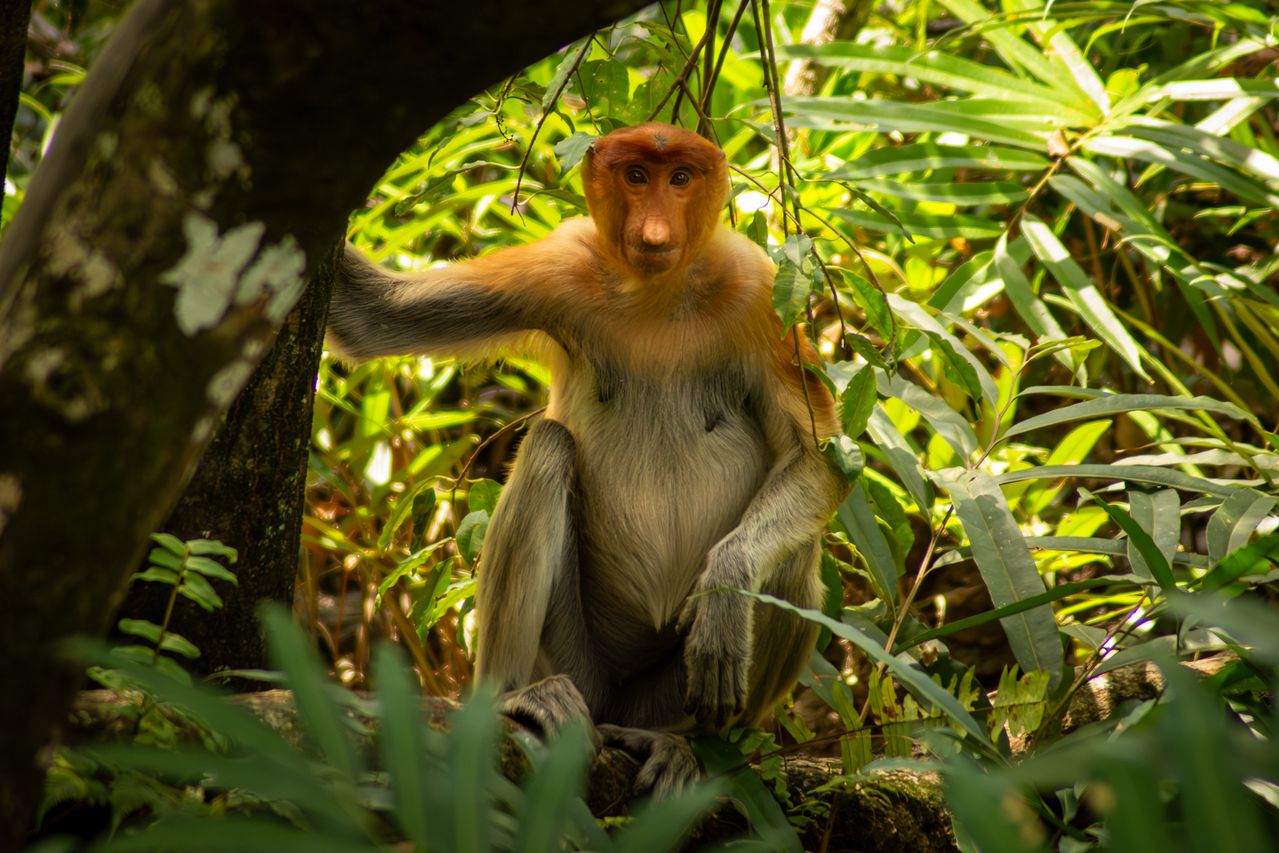
Evening: Your first boat cruise usually leaves around 4pm, the best time for proboscis monkeys gathering in riverside trees, plus long-tailed macaques, hornbills and sometimes pygmy elephants. After dinner, many lodges offer a night walk or night cruise to look for owls, frogs and sleeping birds.
-
Day 14: Dawn river cruise, then fly home from Sandakan
Early morning: Go out on the dawn cruise, typically around 6am. The river is still and misty, birdlife is at its busiest, and the chance of spotting orangutans in the treetops is as good as it gets. Bring binoculars and insect repellent.
Morning: Return to the lodge for breakfast, then take the lodge transfer back towards Sandakan, about 2.5 hours by road. Most packages time this to reach the airport around midday.
Afternoon: Fly from Sandakan direct to KLIA, a flight of just under three hours, or connect through Kota Kinabalu. If your international flight leaves KLIA the same evening, allow at least three hours on the ground, as domestic delays in Sabah are common in wet weather. Alternatively, book a final night at a hotel near KLIA and fly out the next morning without the stress.
Malaysia 2-Week Itinerary with Borneo: frequently asked questions
Is 2 weeks enough for Malaysia?
Two weeks is enough to see the main sights of Peninsular Malaysia and one part of Borneo without rushing. This route covers Kuala Lumpur, Penang, Langkawi and eastern Sabah. To add Sarawak or a Mount Kinabalu climb, you would need three weeks or a shorter peninsula section.
How do you get from Kuala Lumpur to Borneo?
Fly. Kota Kinabalu in Sabah is about 2.5 hours from KLIA, and there are frequent daily flights with AirAsia, Malaysia Airlines and other carriers. Kuching in Sarawak is also served from KL. There is no ferry connection for travellers between the peninsula and Borneo.
Do I need a passport to fly to Sabah from Kuala Lumpur?
Yes. Sabah and Sarawak run their own immigration controls, so foreign visitors have their passport checked on arrival even on a domestic flight from the peninsula. Keep it in your hand luggage.
Is Sepilok or the Kinabatangan River better for seeing orangutans?
Sepilok is the most reliable place to see orangutans, because semi-wild animals come to the feeding platform at set times. The Kinabatangan River offers wild orangutans, but sightings are never guaranteed. It is the better place for proboscis monkeys, hornbills and pygmy elephants, which is why this itinerary includes both.
How much does 2 weeks in Malaysia cost?
For mid-range travel, budget roughly RM6,000 to RM8,500 per person excluding international flights. That covers shared double rooms, four domestic flights, the ETS train, a Kinabatangan lodge package, meals and main attraction tickets. Booking domestic flights early makes the biggest difference.
Destinations on this trip
-
Federal Territory
Kuala Lumpur
Malaysia's capital mixes glass towers, colonial landmarks, temples and some of the best street food in Asia, all linked by a cheap and easy rail…
-
Penang
George Town
Penang's UNESCO-listed capital, where shophouse streets, clan temples and street art sit alongside some of the best hawker food in Asia.
-
Kedah
Langkawi
A duty-free island group in the Andaman Sea, with easy beaches, rainforest-covered peaks, mangrove tours and some of Malaysia's best resorts.
-
Sabah
Kota Kinabalu
Sabah's seaside capital is the launch pad for Mount Kinabalu and the islands of Tunku Abdul Rahman Park, with sunset waterfront markets and some of…
-
Sabah
Sandakan
Sabah's wildlife gateway: orangutans and sun bears at Sepilok, proboscis monkeys on the Kinabatangan, and a harbour town with real history.
Things to do on this trip
-
Kuala Lumpur
Petronas Twin Towers
The Petronas Twin Towers are KL's 452-metre twin skyscrapers, with a Skybridge on Level 41 and an observation deck on…
-
Kuala Lumpur
Jalan Alor Food Street
Jalan Alor is Kuala Lumpur's best-known food street, a strip of open-air restaurants and hawker stalls in Bukit…
-
Kuala Lumpur
Batu Caves
Batu Caves is a Hindu temple complex in a limestone hill 13km north of Kuala Lumpur, reached by 272 painted steps.
-
Kuala Lumpur
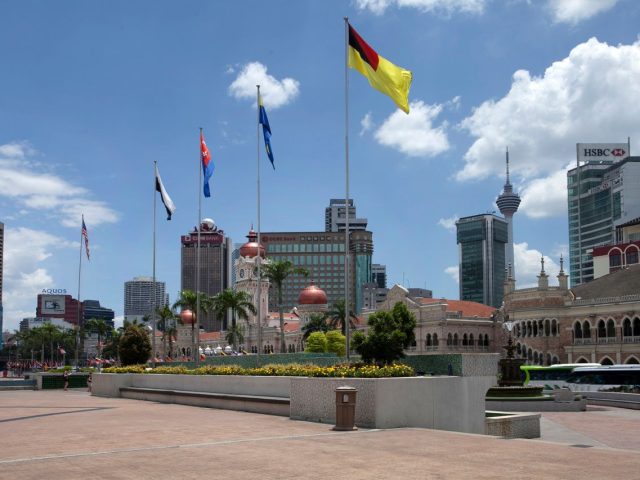
Merdeka Square
Merdeka Square (Dataran Merdeka) is the open lawn in old Kuala Lumpur where the Union Flag was lowered at independence…
-
Kuala Lumpur
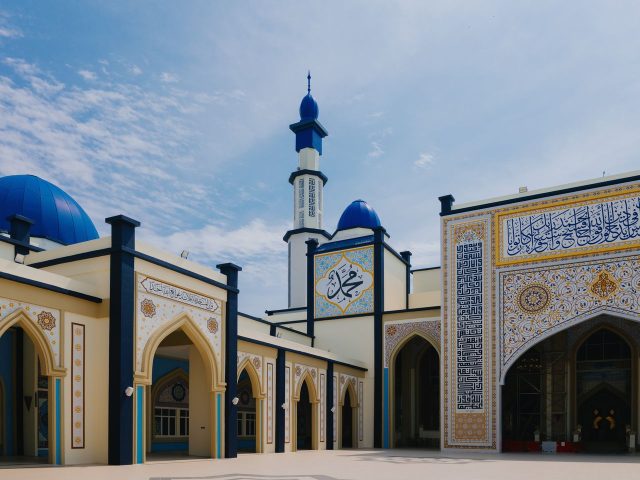
Islamic Arts Museum Malaysia
The Islamic Arts Museum Malaysia in Kuala Lumpur holds more than 7,000 objects across 12 galleries, from Qur'an…
-
Kuala Lumpur
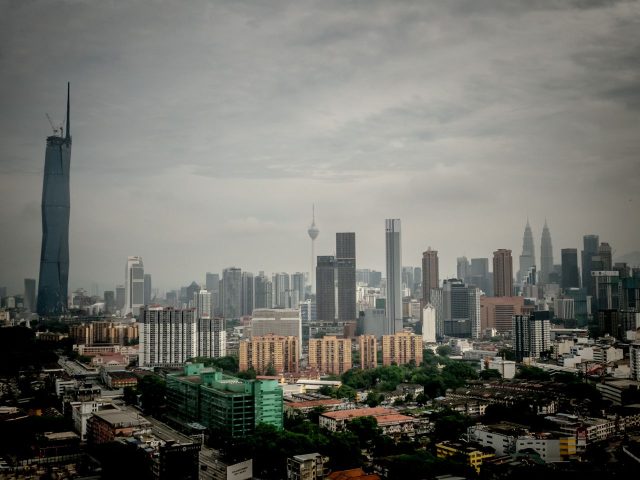
KL Bird Park
KL Bird Park is a large walk-through aviary beside the Perdana Botanical Gardens, home to more than 3,000 birds of…
-
Kuala Lumpur
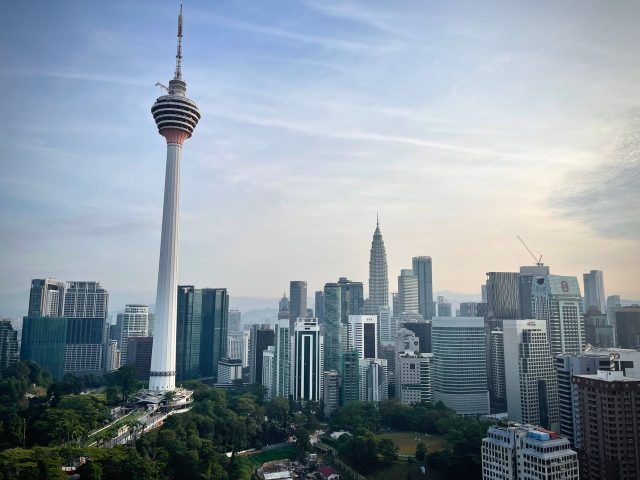
KL Tower
KL Tower (Menara Kuala Lumpur) is a 421-metre telecoms tower on Bukit Nanas with an indoor Observation Deck and the…
-
Kuala Lumpur
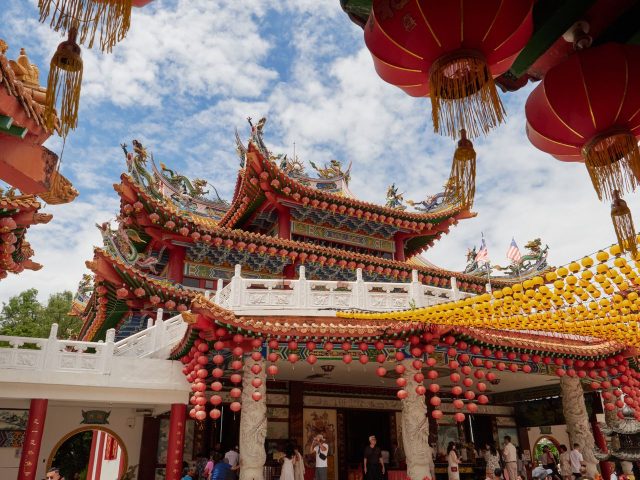
Thean Hou Temple
Thean Hou Temple is a six-tiered Chinese temple on a hill in south Kuala Lumpur, dedicated to the sea goddess Mazu.
-
George Town
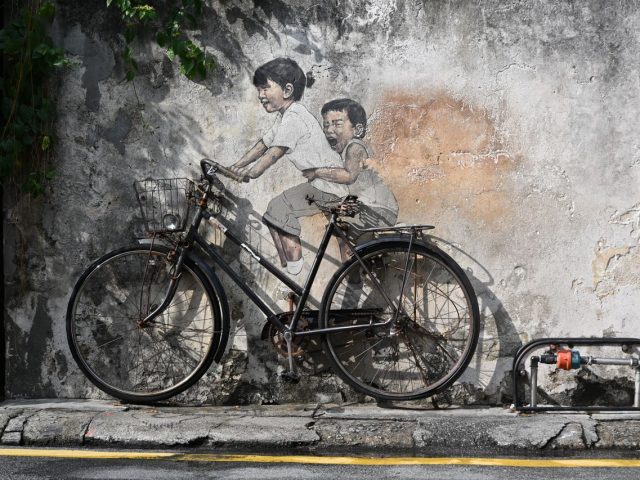
Penang Street Art
Penang street art is a free, open-air collection of murals and steel-rod caricatures spread across George Town's…
-
George Town
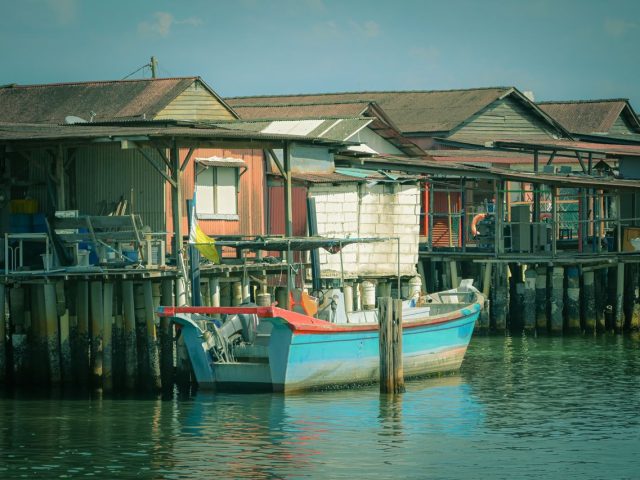
Chew Jetty
Chew Jetty is the best known of George Town's clan jetties, a village of wooden houses on stilts over the water at…
-
George Town
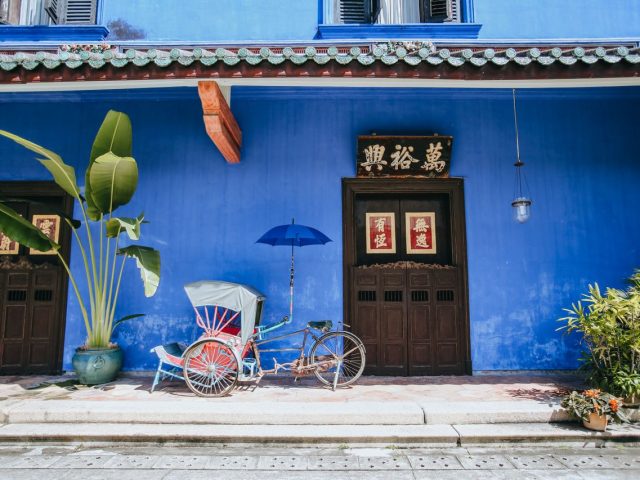
Cheong Fatt Tze Mansion
Cheong Fatt Tze Mansion, the indigo Blue Mansion on Leith Street, is George Town's finest restored Chinese courtyard…
-
George Town
Penang Hill
Penang Hill (Bukit Bendera) is a cool, forested summit above George Town, reached by a funicular that runs from 6.30am…
-
George Town
Kek Lok Si Temple
Kek Lok Si Temple in Air Itam is Malaysia's largest Buddhist temple complex, known for its seven-storey pagoda and 30m…
-
Langkawi
Pantai Cenang
Pantai Cenang is Langkawi's busiest beach, a roughly 2 km strip of pale sand on the south-west coast lined with…
-
Langkawi
Langkawi Cable Car (SkyCab)
The Langkawi cable car, or SkyCab, climbs about 2.2 km from Oriental Village to a 708-metre summit station on Gunung…
-
Langkawi
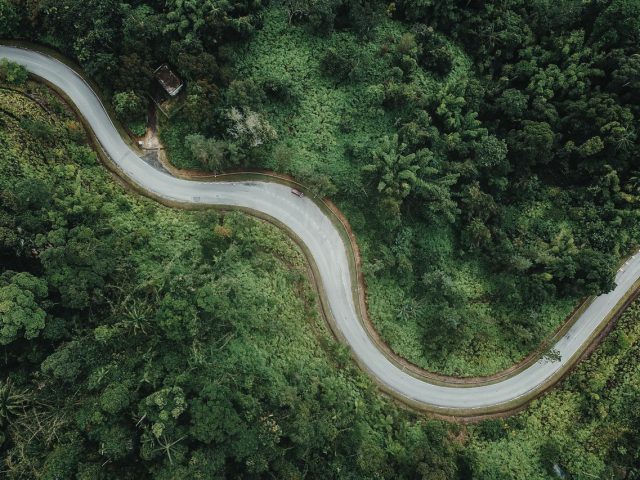
Langkawi Sky Bridge
The Langkawi Sky Bridge is a 125-metre curved walkway about 660 metres above sea level on Gunung Machinchang.
-
Langkawi
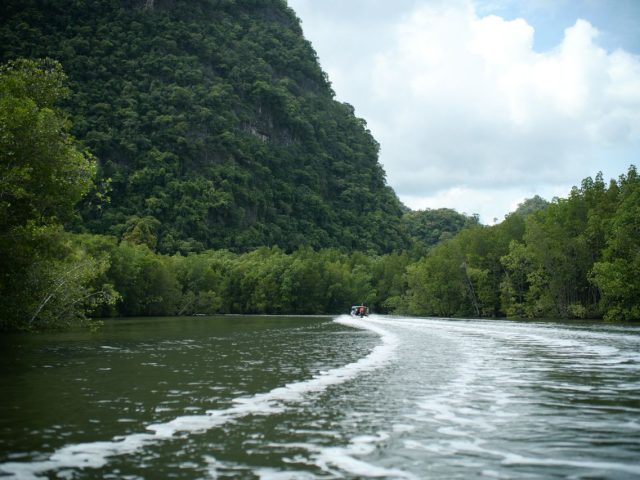
Kilim Geoforest Park
Kilim Geoforest Park is a 4,354-hectare area of mangrove rivers and limestone karst in north-east Langkawi, part of…
-
Langkawi
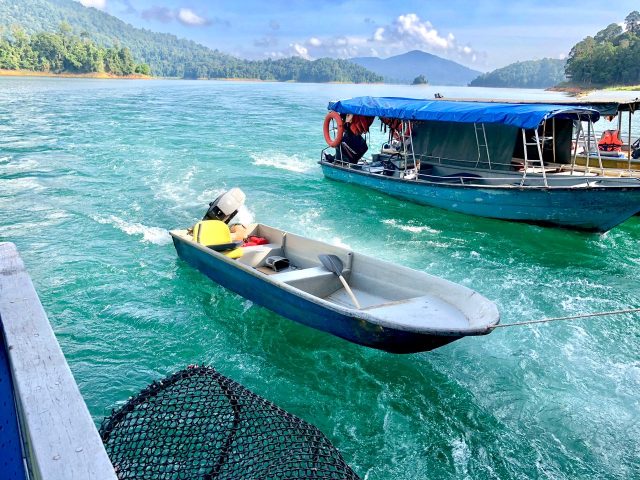
Langkawi Island Hopping
Langkawi island hopping is a half-day boat tour, usually about 4 hours, visiting the freshwater lake on Pulau Dayang…
-
Kota Kinabalu
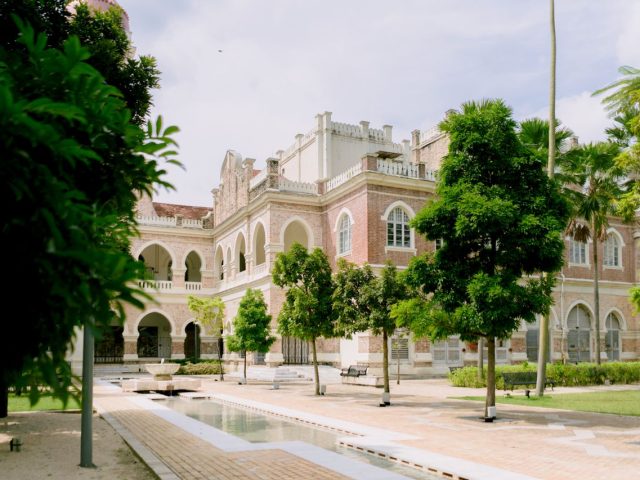
Tunku Abdul Rahman Park
Tunku Abdul Rahman Park is a group of five islands about 15 minutes by fast boat from Kota Kinabalu's Jesselton Point.
-
Kota Kinabalu
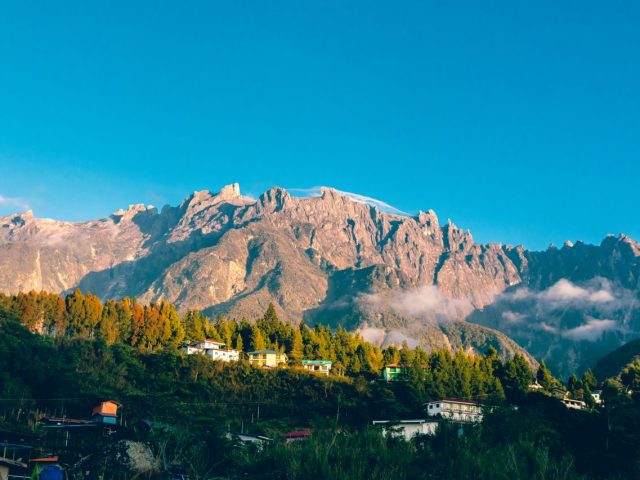
Mount Kinabalu
Mount Kinabalu (4,095m) is Malaysia's highest peak and a two-day climb from Kinabalu Park, about 92km from Kota…
-
Sandakan
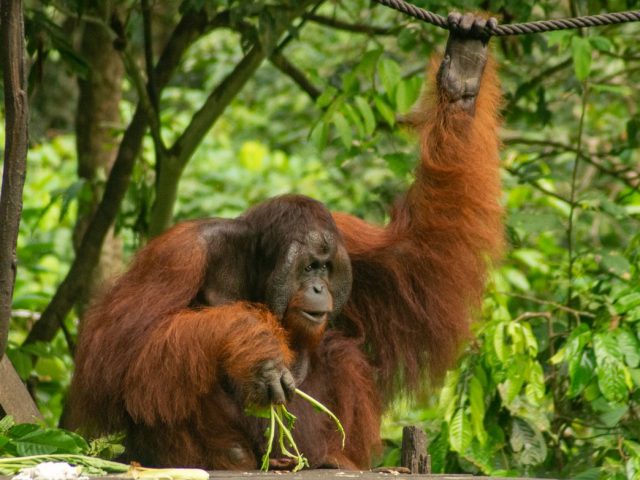
Sepilok Orangutan Centre
Sepilok Orangutan Rehabilitation Centre, 25 km west of Sandakan, cares for orphaned orangutans and returns them to the…
-
Sandakan
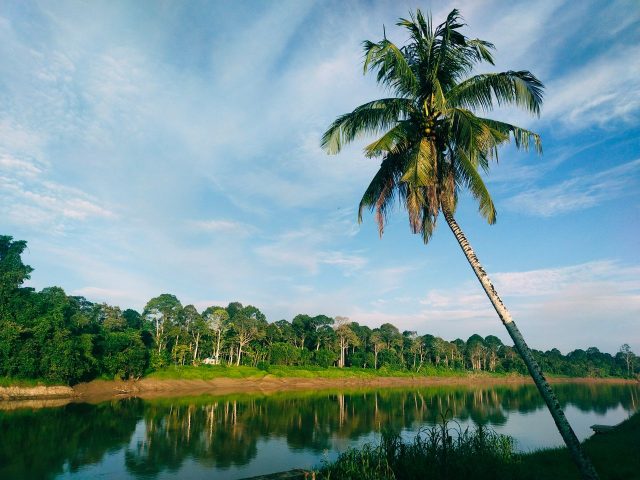
Kinabatangan River
The Kinabatangan is Sabah's longest river and its lower reaches are Borneo's best place to spot wildlife from a boat.
More itineraries
-
 3 days
3 Days in Kuala Lumpur: A First-Timer’s Itinerary
For first-time visitors who want KL's landmarks, food streets and temples in a well-paced three days, using trains and…
-
 3 days
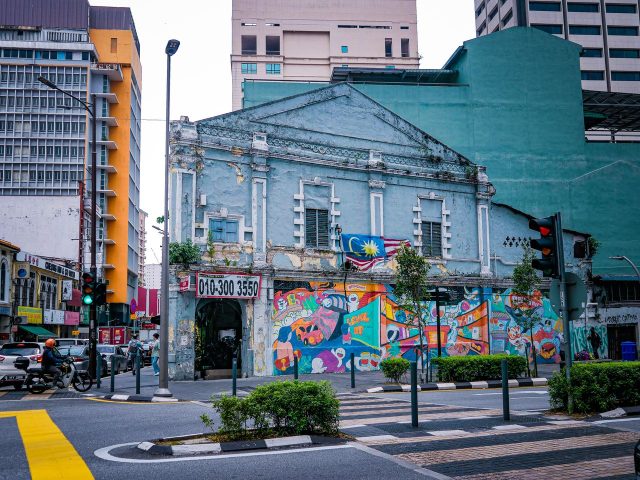
3 Days in Penang: George Town, Food and Penang Hill
For food lovers, culture fans and first-timers who want George Town's heritage streets plus Penang Hill and a day of…
-
 4 days
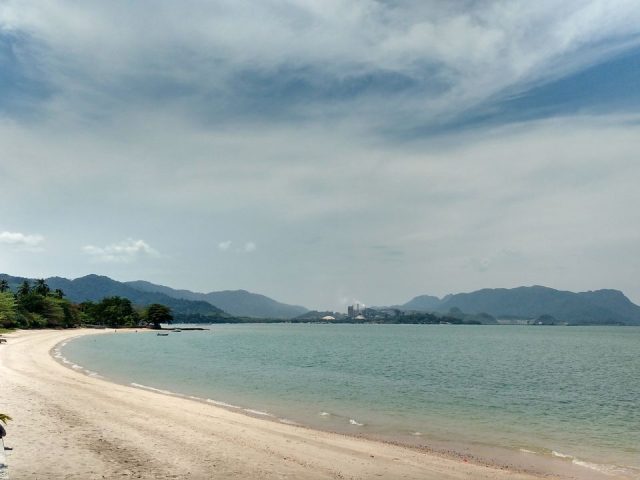
4 Days in Langkawi: The Perfect Island Itinerary
For couples, families and beach lovers who want a relaxed island break with a few easy half-day adventures each day.
-
10 days
Malaysia 10-Day Itinerary: Cities, Highlands and Islands
First-timers and couples who want a balanced trip: a big city, cool highlands, a heritage food town and a few days on…
-
7 days
Malaysia 7-Day Itinerary for First-Time Visitors
First-time visitors who want cities, history and food on a single week, travelling by bus and train rather than flying.
-
 5 days
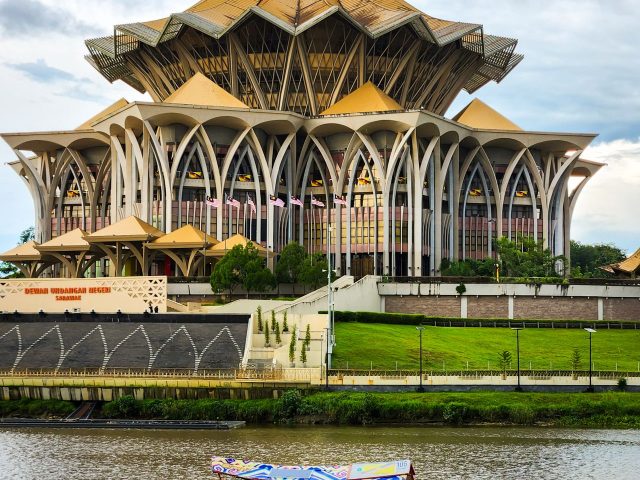
5 Days in Kuching and Sarawak
For travellers who want Borneo's wildlife and culture from one easy city base, with optional caves and rainforest at…