Borneo Culture Guide: Sabah and Sarawak Traditions

Sabah culture, and that of neighbouring Sarawak, is one of the main reasons to travel to Malaysian Borneo. The two states are home to dozens of Indigenous peoples, each with its own language, customs, crafts and beliefs, alongside Malay, Chinese and other communities. This guide introduces the main groups, the harvest festivals of Kaamatan and Gawai, traditional dances such as the sumazau and ngajat, and how to experience Borneo’s living culture respectfully.
Sabah culture: the peoples of Sabah
Sabah has more than 30 recognised ethnic groups. A few of the largest and most visible to travellers:
Kadazan-Dusun
The Kadazan-Dusun are the largest Indigenous group in Sabah. The name brings together closely related communities, traditionally rice farmers on the west coast plains around Penampang and Papar (often identified as Kadazan) and in the hills and interior around Ranau, Tambunan and the foothills of Mount Kinabalu (often identified as Dusun). Rice is central to their traditional beliefs, and ritual specialists known as bobohizan once led ceremonies honouring the rice spirit, Bambaazon. Today most Kadazan-Dusun are Christian, while many traditions continue as cultural heritage.
Bajau
The Bajau are traditionally seafaring people. On the west coast around Kota Belud, the Bajau are known for their horsemanship and colourful ceremonial costumes. On the east coast around Semporna, Bajau communities are closely tied to the sea, and the decorated lepa boats are a symbol of local identity.
Murut and Rungus
The Murut live mainly in the southwest interior around Tenom and Keningau and are known for the magunatip, a dance performed between clapping bamboo poles. The Rungus, a Dusunic people of the Kudat peninsula in the far north, are known for their longhouses, fine beadwork and gong music.
The peoples of Sarawak
Sarawak’s Indigenous communities are often referred to collectively as Dayak, though each group has its own identity.
Iban
The Iban are the largest ethnic group in Sarawak. They have traditionally lived in longhouses along rivers such as the Batang Ai, Skrang and Rajang, where many families share one long building with private rooms opening onto a shared covered gallery called the ruai. The Iban are known for pua kumbu, intricate ikat-woven textiles with deep ritual meaning, and for their tattoo traditions.
Bidayuh
The Bidayuh are the second-largest Dayak group in Sarawak and live mainly in the hills and villages south and west of Kuching, around Bau, Padawan, Serian and Lundu. Their dialects vary from area to area. The round head-house, historically a meeting and ceremonial building for the men of the village, has become a symbol of Bidayuh identity.
Orang Ulu
Orang Ulu, meaning “upriver people”, is a collective term for around 27 smaller groups in the interior of northeastern Sarawak, including the Kayan, Kenyah, Kelabit, Lun Bawang and Penan. They are known for richly painted longhouses, fine beadwork, wood carving and the sape, a boat-shaped lute whose gentle, repeating melodies have become a symbol of Sarawak.
Harvest festivals: Kaamatan and Gawai
Kaamatan in Sabah
Kaamatan is the Kadazan-Dusun harvest festival. Celebrations take place throughout May and peak with public holidays on 30 and 31 May. It gives thanks for the rice harvest and honours the rice spirit Bambaazon, linked in legend to Huminodun, who sacrificed herself so her people would have food.
The main state-level celebration is held at the Hongkod Koisaan cultural hall in Penampang, a short drive from Kota Kinabalu. Expect traditional costume, music, food stalls, rice wine called tapai and the Unduk Ngadau pageant, which honours the spirit of Huminodun and closes the festival.
Gawai Dayak in Sarawak
Gawai Dayak is celebrated by the Iban, Bidayuh and Orang Ulu on 1 and 2 June, with festivities beginning on the evening of 31 May. It was first officially celebrated in 1965. Families hold a miring offering ceremony, share food and tuak (rice wine), and open their homes to visitors. In longhouses, celebrations can continue for weeks. The traditional greeting you will see on banners is “Selamat Hari Gawai”.
| Festival | State | When | Highlights |
|---|---|---|---|
| Kaamatan | Sabah | May, peaking 30 and 31 May | Unduk Ngadau, sumazau, tapai, cultural displays |
| Gawai Dayak | Sarawak | 1 and 2 June (eve on 31 May) | Longhouse open houses, ngajat, tuak, miring ceremony |
Traditional dances: sumazau and ngajat
The sumazau is the best-known Kadazan-Dusun dance. Pairs of dancers move slowly to the beat of gongs, with arms raised and outstretched in a motion often compared to birds in flight. It is performed at Kaamatan, weddings and other celebrations, and visitors are sometimes invited to join in.
The ngajat is a traditional Iban dance. Male dancers, often wearing feathered headdresses and carrying a shield and sword, perform strong, controlled movements that once accompanied the return of warriors, while women’s ngajat is graceful and measured. At Gawai, it is performed in the longhouse gallery to the sound of gongs.
How to experience Borneo culture respectfully
The easiest introduction is a cultural village, where you can see the house styles, crafts and dances of several groups in one visit. Mari Mari Cultural Village near Kota Kinabalu and the Sarawak Cultural Village at Santubong near Kuching are both well run. For deeper experiences, community-run longhouse stays in Sarawak and homestays in rural Sabah let you meet families in their own homes.
- Go with a reputable operator or invitation. Longhouses are homes, not attractions, so visit through a guide or community programme.
- Greet the headman when you arrive at a longhouse, and accept a small offered drink, even just a sip, as a courtesy.
- Ask before taking photos, particularly of elders and during rituals.
- Remove your shoes before entering a home or longhouse gallery.
- Buy crafts directly from makers or community cooperatives where possible.
- Avoid outdated stereotypes. Borneo’s Indigenous peoples live modern lives, and many traditions are maintained by choice and with pride.
Check the Sabah Tourism website for Kaamatan event details each year.
Borneo Culture Guide: frequently asked questions
What is the culture of Sabah?
Sabah has more than 30 ethnic groups, with the Kadazan-Dusun the largest Indigenous community, alongside the Bajau, Murut, Rungus, Malay and Chinese populations. Its culture is known for rice harvest traditions, the Kaamatan festival, sumazau dance, gong music, beadwork and dishes such as hinava.
What is Kaamatan?
Kaamatan is the Kadazan-Dusun harvest festival in Sabah, celebrated through May and peaking on 30 and 31 May. It gives thanks for the rice harvest and honours the rice spirit Bambaazon. The main celebration is held at Hongkod Koisaan in Penampang and includes the Unduk Ngadau pageant.
When is Gawai in Sarawak?
Gawai Dayak is celebrated on 1 and 2 June each year, with festivities starting on the evening of 31 May. It is a harvest festival for the Iban, Bidayuh and Orang Ulu, marked by offerings, rice wine, the ngajat dance and longhouse open houses.
What is the difference between the sumazau and ngajat dances?
The sumazau is a Kadazan-Dusun dance from Sabah performed in pairs, with slow steps and outstretched arms like birds in flight. The ngajat is an Iban dance from Sarawak; the men's version often features a feathered headdress, shield and sword, while women's ngajat is graceful and measured.
Can tourists visit a longhouse in Sarawak?
Yes. Many visitors stay in or visit longhouses through guided tours or community-run homestays, particularly around Batang Ai and other areas within reach of Kuching. Always visit with a guide or by invitation, greet the headman and ask before photographing people.
Places in this guide
-
Sabah
Sabah
Malaysia's northern Borneo state, home to Mount Kinabalu, wild orangutans, the Kinabatangan River and some of…
-
Sarawak
Sarawak
Malaysia's largest state, on Borneo's northwest coast: riverside Kuching, orangutans at Semenggoh, longhouse culture…
-
Sabah
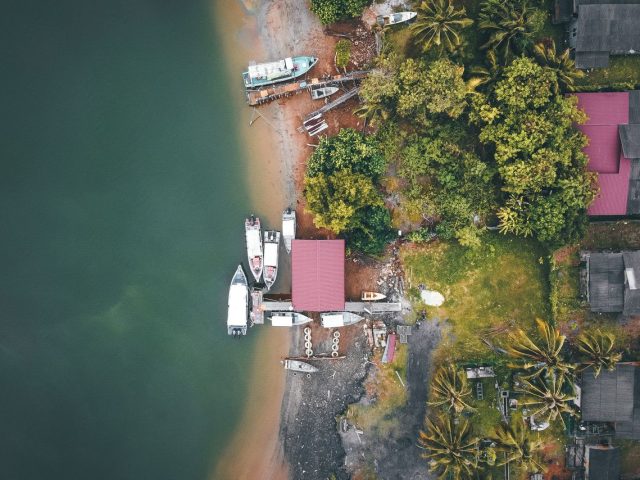
Kota Kinabalu
Sabah's seaside capital is the launch pad for Mount Kinabalu and the islands of Tunku Abdul Rahman Park, with sunset…
-
Sarawak
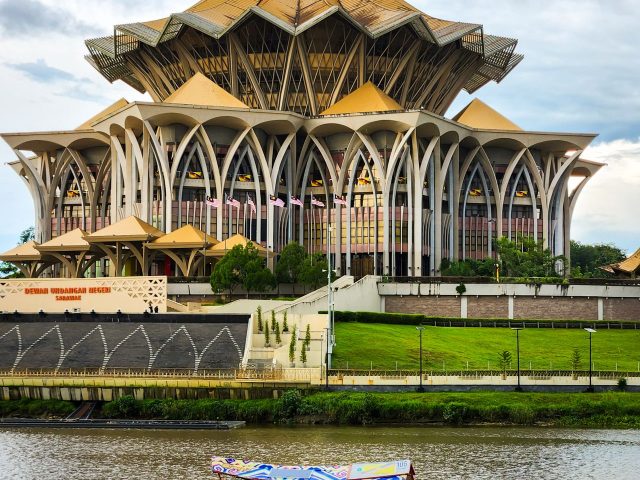
Kuching
A walkable river city with Brooke-era history, an outstanding food scene and rainforest, orangutans and beaches within…
-
Sabah
Semporna
The harbour town that gets you to Sipadan, Mabul and the islands of the Celebes Sea. Come for the water, not the town.
-
Kota Kinabalu
Mari Mari Cultural Village
Mari Mari Cultural Village is a guided living-culture tour in the forest about 30 minutes from Kota Kinabalu, covering…
-
Kuching
Sarawak Cultural Village
Sarawak Cultural Village is a living museum at the foot of Mount Santubong, north of Kuching, with traditional houses…
More travel guides
-
Guide
Malaysian Food Guide: 25 Dishes to Try
Malaysian food blends Malay, Chinese, Indian, Peranakan and Bornean cooking, and most of the best dishes cost little…
-
Guide
Where to Stay in Malaysia: Best Bases by Region
The best bases in Malaysia are Bukit Bintang or KLCC in Kuala Lumpur, George Town's heritage core in Penang, Pantai…
-
Guide
Visit Malaysia 2026: Events and Travel Tips
Visit Malaysia 2026 is Tourism Malaysia's national campaign to grow international tourism, with the Malayan sun bear…