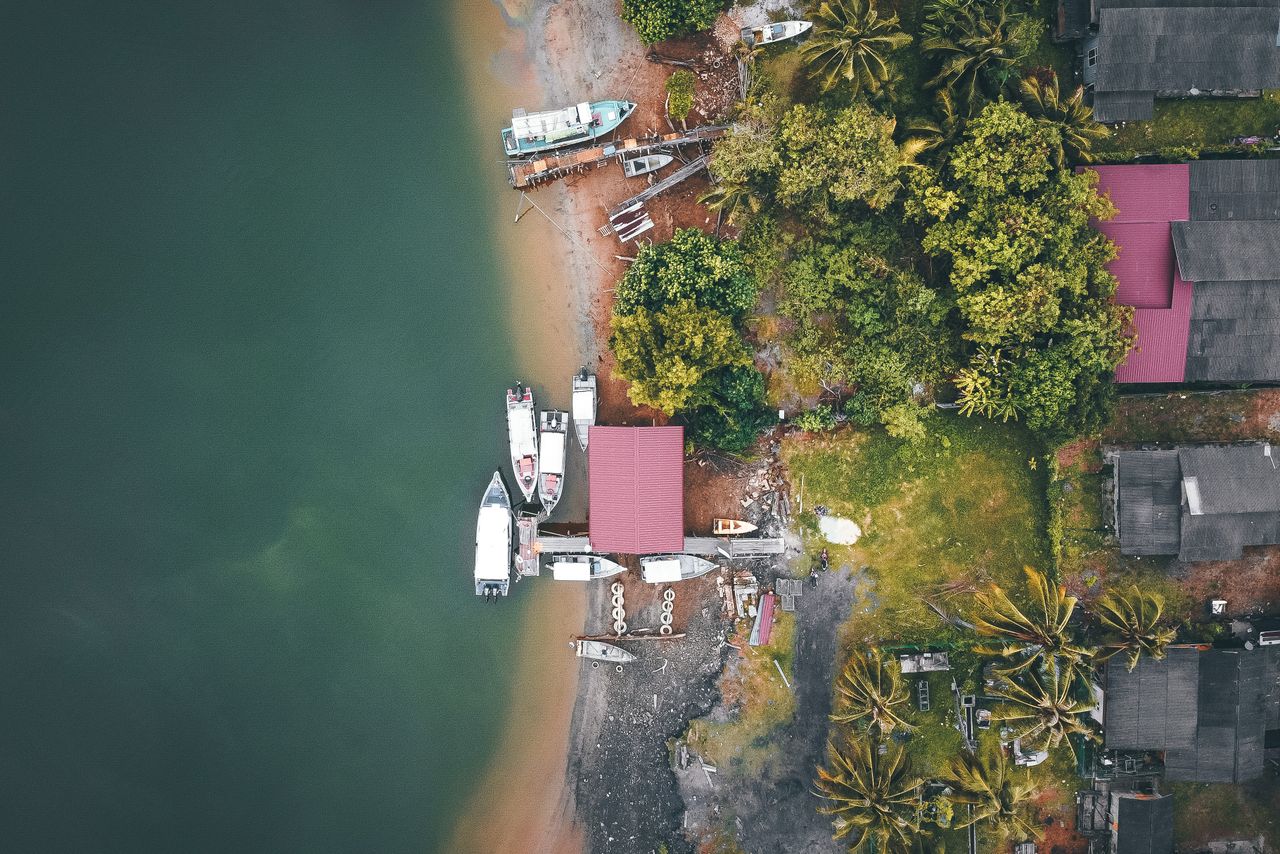
Things to Do in Kota Kinabalu: Sabah's Gateway City
Sabah's seaside capital is the launch pad for Mount Kinabalu and the islands of Tunku Abdul Rahman Park, with sunset waterfront markets and some of Malaysia's best seafood in between.

Kota Kinabalu, known to everyone as KK, is the capital of Sabah and the place most Borneo trips begin. The city itself is low-key and practical, rebuilt almost entirely after the Second World War, but its setting is superb: islands scattered just offshore, sunsets over the South China Sea and Mount Kinabalu rising on clear mornings to the northeast. The best things to do in Kota Kinabalu mix easy city pleasures with day trips into the sea, the mountains and the wetlands.
Top things to do in Kota Kinabalu
Island hopping in Tunku Abdul Rahman Park
Five islands make up Tunku Abdul Rahman Park, the city’s marine park, and four of them are a 15 to 20 minute boat ride from the centre. Manukan has the best facilities and a long beach, Sapi is small with good snorkelling, Mamutik is the quietest, and Gaya, the largest, has forest trails. Most people visit one or two islands in a day. Go early on a weekday, before the crowds and the afternoon wind.
Note that island boats currently leave from the South Jetty at Kota Kinabalu Port, entered from behind Jesselton Quay, while the old Jesselton Point terminal is upgraded. The operator’s site, Jesselton Point, lists current fares and the separate park conservation fee.
Mount Kinabalu and Kinabalu Park
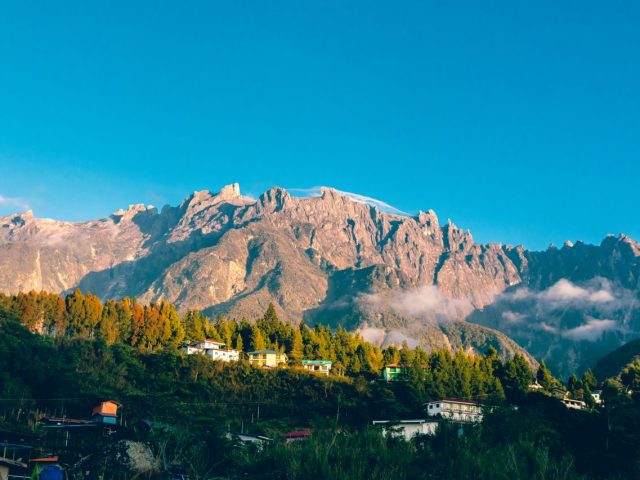
Malaysia’s highest peak dominates the region, and Mount Kinabalu is the reason many people come to Sabah. Climbing to the summit is a two-day trek with an overnight stay at Laban Rata and needs a permit and guide booked well ahead. If you are not climbing, a day trip to Kinabalu Park headquarters, about two hours by road, gets you cool air, botanical gardens and short forest trails, often combined with the hill town of Kundasang.
Markets and the waterfront
On Sunday mornings, the Gaya Street Sunday Market fills the old town’s main street with stalls selling plants, local snacks, handicrafts and everything in between. Every evening, the waterfront comes alive with grilled seafood and fruit stalls at the night market, next to the handicraft market (Anjung Kinabalu), where you can buy pearls, woven baskets and Sabah souvenirs.
Signal Hill and the city sights
Signal Hill, the highest point in the city, has an observation deck with views over the rooftops to the islands. It is a short, steep walk or a quick Grab ride from the centre. Nearby, the Atkinson Clock Tower, built in 1905, is one of the few buildings that survived the war. On the edge of Likas Bay, the City Mosque appears to float on its surrounding lagoon and is especially photogenic at sunset.
Mari Mari Cultural Village
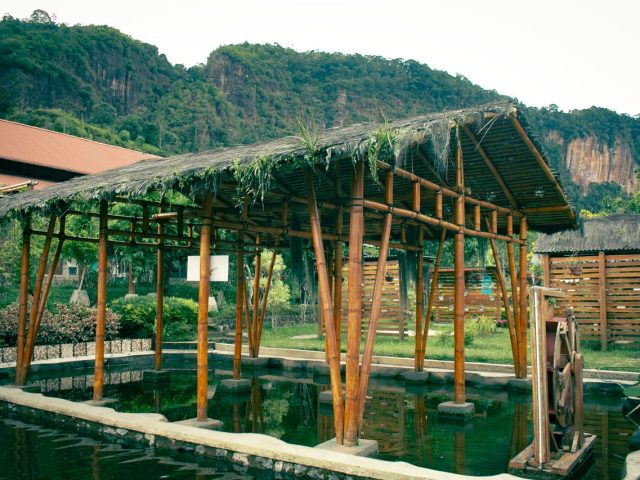
About 30 minutes from the city, Mari Mari Cultural Village introduces the traditions of several Sabah ethnic groups, including the Kadazandusun, Rungus, Lundayeh, Bajau and Murut, through houses, crafts, food tastings and dances. Book a guided tour in advance; transfers from city hotels are usually included.
Sunsets at Tanjung Aru
Tanjung Aru beach, about 10 km south of the centre near the airport, is the classic sunset spot. Food stalls and casual restaurants along the sand make it an easy evening out.
Wetlands and proboscis monkeys
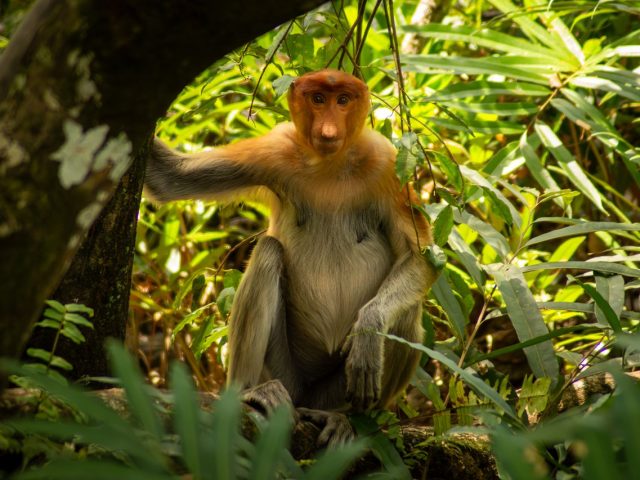
Half-day river cruises in the Klias wetlands, around two hours southwest of KK, offer a good chance of seeing proboscis monkeys in the late afternoon and fireflies after dark. They are a useful option if you are not travelling to Sandakan and the Kinabatangan River.
Eat your way around the city
Food is one of the best reasons to linger in KK. Breakfast in a kopitiam on a bowl of ngiu chap (beef noodle soup) or sang nyuk mee (pork noodles), try hinava, the Kadazandusun raw fish salad cured in lime, at a Sabahan restaurant, and finish the day with grilled fish and squid at the waterfront night market. Seafood restaurants with live tanks are popular for group dinners; prices are by weight, so ask before you order.
Neighbourhoods in brief
The compact city centre runs along the waterfront, with Gaya Street and the old town a block inland. Tanjung Aru and Sutera Harbour lie to the south, closer to the airport, while Likas and the City Mosque are to the north. Most sights in town are walkable, and Grab is cheap and reliable for everything else. Stay central if you plan to use the island boats and markets; choose the south if you value beach walks and quick airport access.
Practical tips
- Start early. Mornings bring clearer views of the mountain, calmer seas and cooler walks.
- Carry your passport for island boats, which register every passenger before departure.
- Check seafood prices. Live seafood is priced by weight, so agree the cost before it goes in the pot.
- Book the climb early. Mount Kinabalu permits are limited and can sell out months ahead.
When to go and how long to stay
KK is warm and humid all year, with no true dry season. February to April is usually the driest stretch and the best time for island trips and mountain views, while October is typically the wettest month. Showers tend to arrive in the afternoon, so plan outdoor trips for the morning.
Allow three to four days: one for the city and markets, one for the islands, and one or two for Kinabalu Park, Mari Mari or the wetlands. Add two nights if you are climbing the mountain. Our Sabah 7-day itinerary links KK with Kinabalu, Sandakan and the islands, and our 2-week Malaysia itinerary shows how to combine Borneo with the peninsula.
Where to stay in Kota Kinabalu
City centre and waterfront: the area between Gaya Street and the seafront, with the markets, the island ferry jetty and most restaurants on your doorstep. The best all-round base for first-timers and budget travellers.
Tanjung Aru: a residential area by the long sunset beach about 10 km south of the centre, close to the airport. Suits families and travellers who want beach walks and a quieter evening.
Sutera Harbour: a marina development just south of the centre with large resorts, a golf course and its own boats to the islands. The choice for luxury stays and couples.
Likas: north of the centre along Likas Bay, near the City Mosque and the waterfront jogging track. Good for longer stays and anyone with a car or using Grab.
How to get to Kota Kinabalu
Kota Kinabalu International Airport (BKI) is about 8 km southwest of the city centre, a 15 to 25 minute ride by Grab or taxi depending on traffic. There are frequent flights from Kuala Lumpur (about two and a half hours), Kuching and other Malaysian cities, plus direct international routes across Asia.
Overland, long-distance buses link KK with Sandakan, Semporna and Kundasang for Mount Kinabalu. For the rest of the state, see our Sabah guide.
What to eat in Kota Kinabalu
Seafood is the headline. At the waterfront night market, near the Filipino handicraft stalls, you choose fish, prawns, crabs and squid from the ice and have them grilled on the spot. Seafood restaurants around the city cook live catch from tanks, sold by weight, so confirm the price before ordering.
Look out for Sabahan dishes too: hinava, a Kadazandusun salad of raw fish cured in lime juice with chilli, ginger and shallots; ngiu chap, beef noodle soup with tender cuts and offal; Tuaran mee, springy egg noodles fried with char siu; and sang nyuk mee, a pork noodle dish found in kopitiams across the city. Sabah tea and Tenom coffee make good souvenirs.
Kota Kinabalu: frequently asked questions
Is Kota Kinabalu worth visiting?
Yes, especially as a base for Sabah. The city itself is modest, but within a short boat ride or drive you can snorkel in a marine park, climb or visit Mount Kinabalu, see proboscis monkeys in the wetlands and eat superb seafood. Most people spend three or four days here.
Where do boats to the islands leave from in Kota Kinabalu?
Since March 2026, island boats have run from the South Jetty at Kota Kinabalu Port, entered from behind Jesselton Quay, while the old Jesselton Point terminal is upgraded. Boats to Manukan, Sapi, Mamutik and Gaya take around 15 to 30 minutes. Bring your passport, as you register before departure.
How much does it cost to visit Tunku Abdul Rahman Park?
At the time of writing, a return boat to one island cost about RM48 for adults including the terminal fee, and international visitors paid a separate park conservation fee of RM25 for adults and RM20 for children. Prices change, so check with the jetty operators before you go.
How far is Mount Kinabalu from Kota Kinabalu?
Kinabalu Park headquarters is about 90 km from the city, roughly a two-hour drive. You can visit the park on a day trip, but climbing to the summit requires a permit, a licensed guide and an overnight stay on the mountain, booked well in advance.
What is the best time to visit Kota Kinabalu?
KK is hot and humid all year, but February to April is usually the driest period, with calmer seas for island trips. October is typically the wettest month. Rain usually comes in afternoon or evening downpours rather than all day.
How many days do you need in Kota Kinabalu?
Three to four days covers a city day, an island-hopping day, a trip to Kinabalu Park or a wetland river cruise, and a cultural village visit. Add two nights on the mountain if you plan to climb Mount Kinabalu.
Things to do in Kota Kinabalu
-
Kota Kinabalu
Mount Kinabalu
Mount Kinabalu (4,095m) is Malaysia's highest peak and a two-day climb from Kinabalu Park, about 92km from Kota…
-
Kota Kinabalu
Tunku Abdul Rahman Park
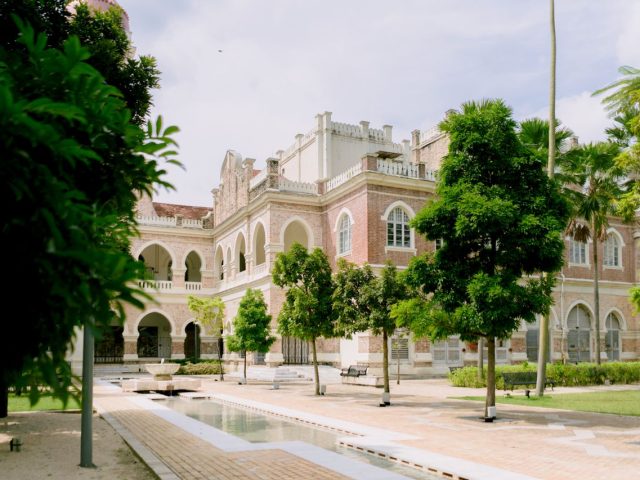
Tunku Abdul Rahman Park is a group of five islands about 15 minutes by fast boat from Kota Kinabalu's Jesselton Point.
-
Kota Kinabalu
Mari Mari Cultural Village
Mari Mari Cultural Village is a guided living-culture tour in the forest about 30 minutes from Kota Kinabalu, covering…
-
Kota Kinabalu
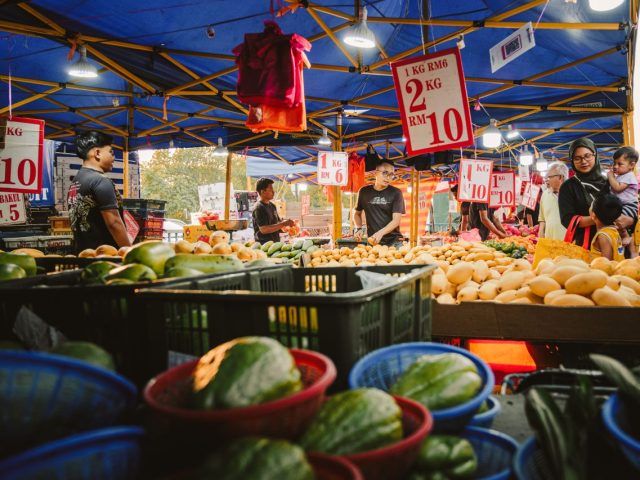
Gaya Street Sunday Market
Gaya Street Sunday Market fills Jalan Gaya in central Kota Kinabalu every Sunday from about 6am to 2pm.
Itineraries that visit Kota Kinabalu
-
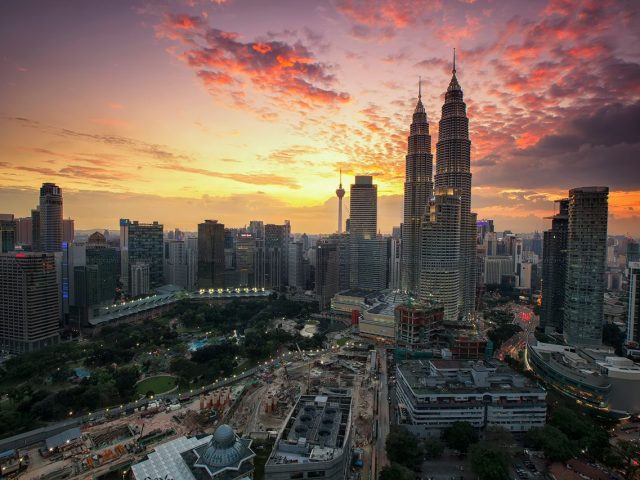 14 days
Malaysia 2-Week Itinerary with Borneo
Travellers with a fortnight who want the peninsula's food and heritage plus a beach break, then Borneo's islands…
-
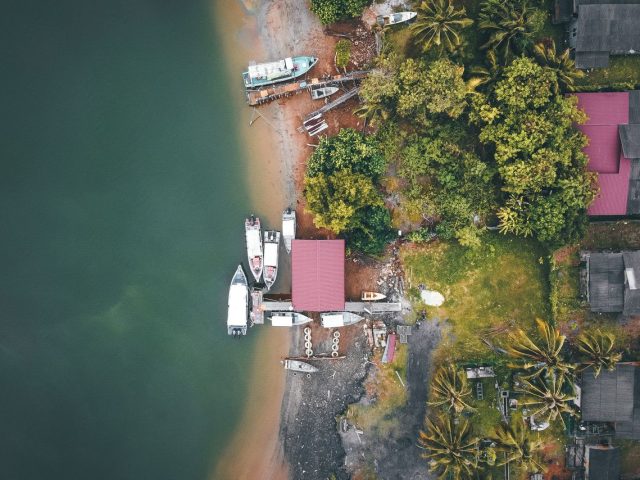 7 days
Sabah 7-Day Itinerary: Kinabalu, Wildlife and Islands
For nature lovers and first-time visitors to Borneo who want mountains, rainforest wildlife and tropical islands in…
Kota Kinabalu travel guides
-
Guide
Where to Stay in Malaysia: Best Bases by Region
The best bases in Malaysia are Bukit Bintang or KLCC in Kuala Lumpur, George Town's heritage core in Penang, Pantai…
-
Guide
Malaysia Travel Guide: Everything You Need to Plan a Trip
Malaysia is one of Southeast Asia's easiest countries to travel: English is widely spoken, transport is good and food…
-
Guide
Malaysia Entry Requirements for Tourists
To enter Malaysia as a tourist you need a passport valid for at least six months, a completed Malaysia Digital Arrival…
-
Guide
Flights to Malaysia: Airports, Routes and Booking Tips
Most flights to Malaysia land at Kuala Lumpur International Airport (KLIA), the hub for Malaysia Airlines (Terminal 1)…
-
Guide
Best Time to Visit Malaysia, Region by Region
The best time to visit Malaysia depends on where you go.
-
Guide
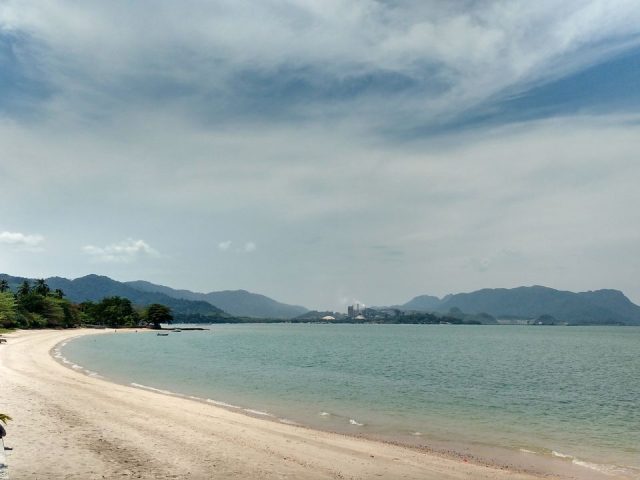
Best Islands in Malaysia for Every Kind of Trip
The best islands in Malaysia are Langkawi for an easy family or couples break, the Perhentians and Redang for…
Places near Kota Kinabalu
-
Sabah
Sandakan
Sabah's wildlife gateway: orangutans and sun bears at Sepilok, proboscis monkeys on the Kinabatangan, and a harbour…
-
Sabah
Semporna
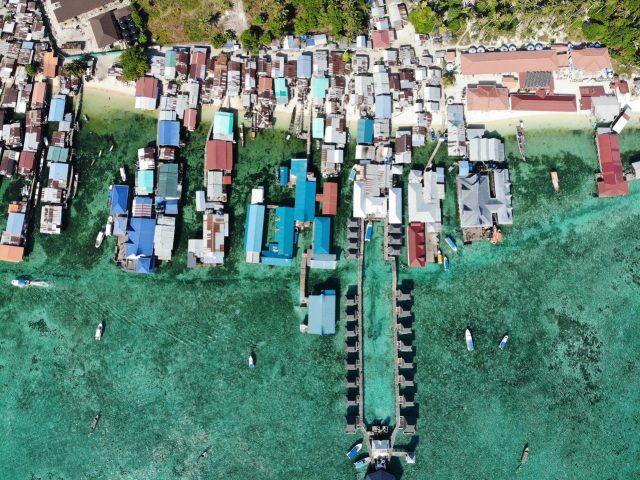
The harbour town that gets you to Sipadan, Mabul and the islands of the Celebes Sea. Come for the water, not the town.
-
Federal Territory
Labuan
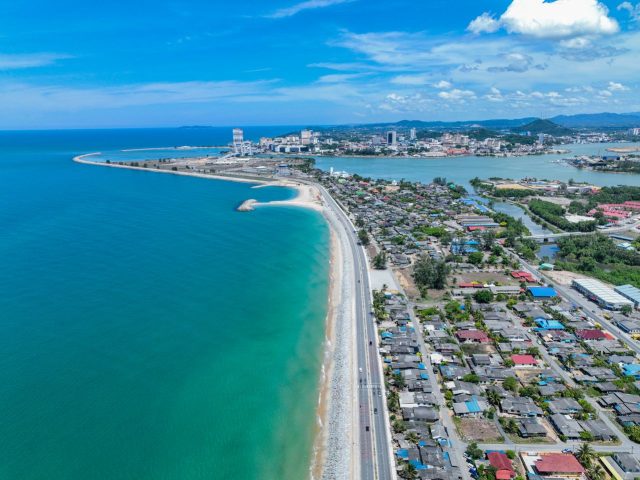
A duty-free federal territory island off the coast of Sabah, known for its Second World War wrecks and memorials…