Malaysia Travel Guide: Everything You Need to Plan a Trip

This Malaysia travel guide is the place to start planning. Malaysia packs two very different halves into one country: Peninsular Malaysia, with Kuala Lumpur, the heritage towns of the west coast and the islands of the east, and Malaysian Borneo, where Sabah and Sarawak hold rainforest, orangutans and Mount Kinabalu. Travel is straightforward, prices are fair and you can eat extremely well on almost any budget.
Below we cover where to go, how long to spend, the paperwork, money and getting around, with links to our detailed guides for each part of the trip.
Malaysia travel guide: where to go
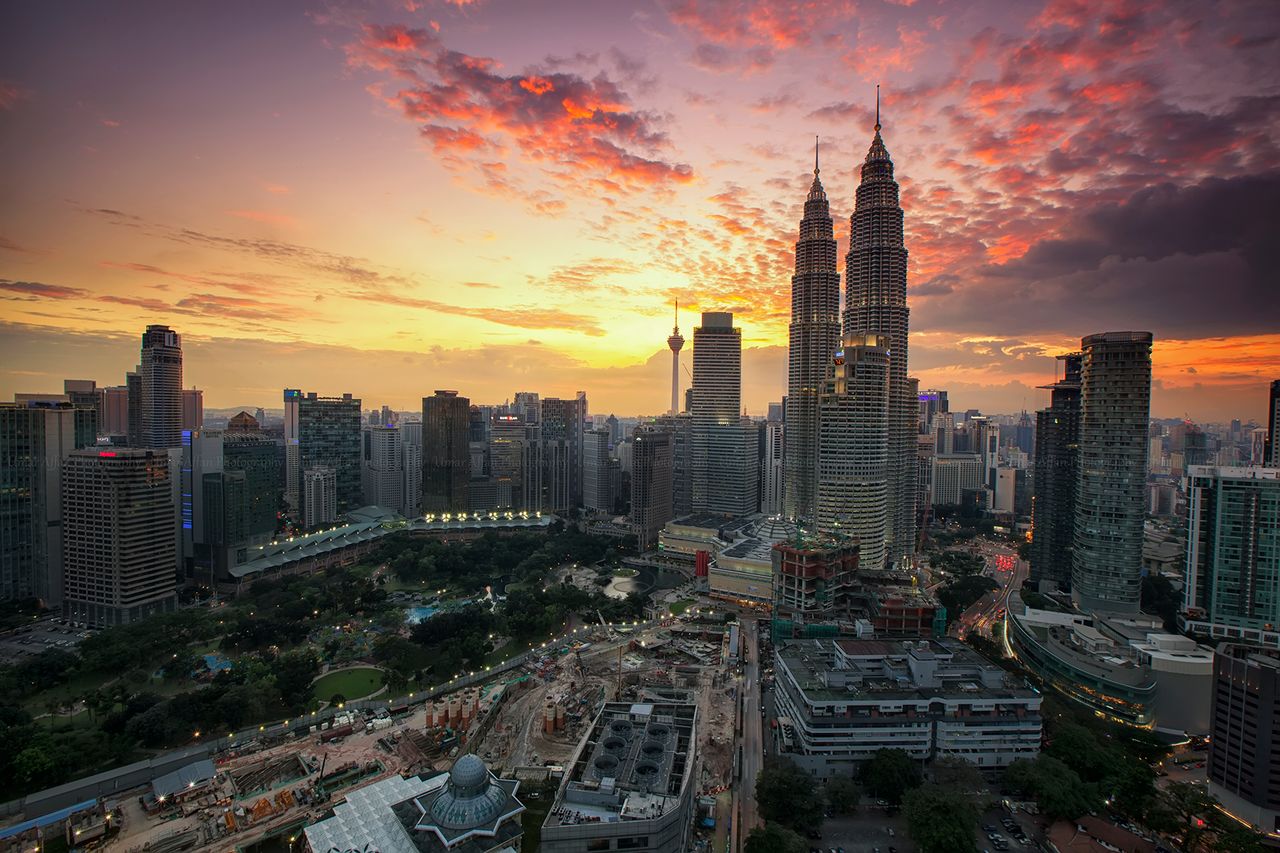
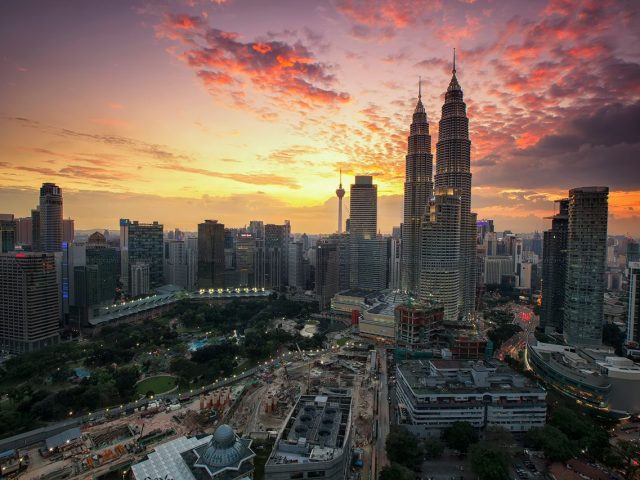
Most visitors land in Kuala Lumpur, and it deserves two or three days. The Petronas Twin Towers, Batu Caves and the hawker stalls of Jalan Alor are the classic sights, but the city’s real appeal is its mix of Malay, Chinese and Indian neighbourhoods within a short train ride of each other.
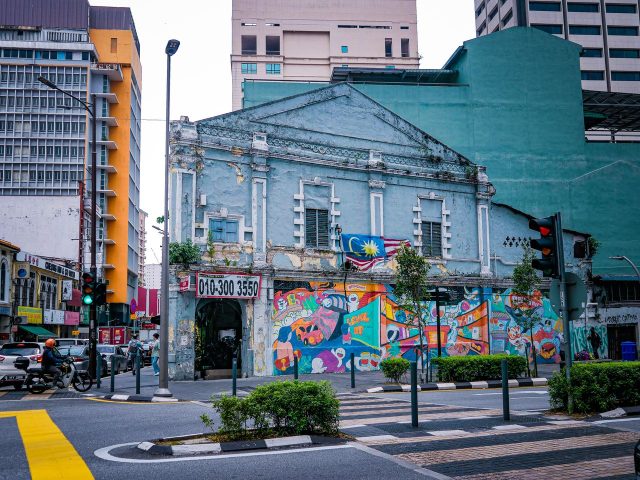
From KL, the west coast runs north and south in a neat line. Melaka (Malacca) is two hours south, a compact old port of Dutch squares, Peranakan shophouses and a weekend night market. Heading north, Ipoh has colonial streets and cave temples, the Cameron Highlands offer tea estates and cooler air, and George Town on Penang is a UNESCO-listed city famous for street food and murals.
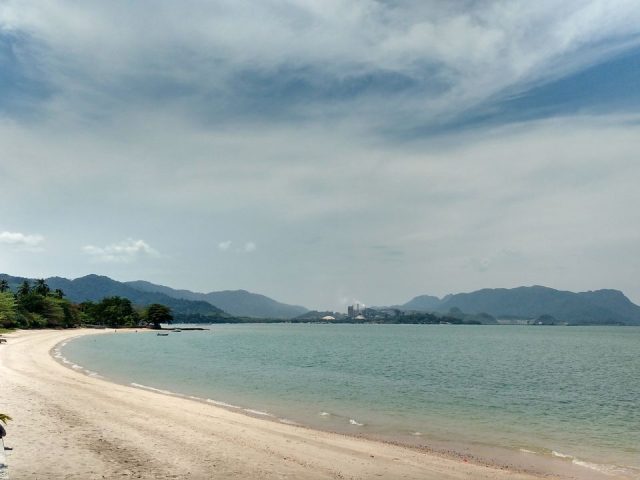
For beaches, Langkawi on the west coast is the easy, year-round choice with an international airport. The east coast islands, including the Perhentian Islands and Redang, have clearer water but a shorter season. Our guide to the best islands in Malaysia compares them.
Malaysian Borneo is a short flight from KL. Kota Kinabalu is the base for Mount Kinabalu and island hopping, Sandakan for orangutans and the Kinabatangan River, and Kuching in Sarawak for national parks, longhouse culture and an easy-going riverside centre.
How long to spend in Malaysia
A week covers Kuala Lumpur, Penang and one more stop without rushing. Ten days lets you add the highlands or an island. Two weeks is the sweet spot if you want Borneo as well, since flights from KL take under two hours to Kuching and around two and a half to Kota Kinabalu, and the wildlife areas need a few days each.
| Trip length | Suggested route | Our itinerary |
|---|---|---|
| 7 days | Kuala Lumpur, Melaka or Cameron Highlands, Penang | Malaysia in 7 days |
| 10 days | Kuala Lumpur, Cameron Highlands, Penang, Langkawi | Malaysia in 10 days |
| 14 days | Kuala Lumpur, Penang, then Sabah or Sarawak | Malaysia in 2 weeks |
When to visit Malaysia
Malaysia is hot and humid all year, usually around 30°C by day on the coast, so the season is really about rain. The west coast, including Penang and Langkawi, is driest from about December to March. The east coast islands are best from roughly April to September, and many resorts there close during the northeast monsoon at the end of the year. Borneo can be visited year-round, with the heaviest rain in Sarawak and northeast Sabah around December to February.
Our month-by-month guide to the best time to visit Malaysia breaks this down region by region, along with festivals and school holidays to plan around.
Entry requirements and arrival
Many nationalities, including UK, EU, US, Australian and Canadian passport holders, can visit Malaysia without a visa, but the length of stay and rules vary by nationality. Your passport generally needs at least six months’ validity on arrival, and most foreign visitors must submit the free Malaysia Digital Arrival Card (MDAC) online before landing. Sabah and Sarawak run their own immigration checks, so keep your passport handy on domestic flights to Borneo.
Rules change, so read our full guide to Malaysia entry requirements and check the Immigration Department of Malaysia website for your nationality before you book.
Most long-haul travellers arrive at Kuala Lumpur International Airport (KLIA), about 45km south of the city. The KLIA Ekspres train reaches KL Sentral in around half an hour; our guide to getting from KLIA to Kuala Lumpur compares the train, buses, Grab and taxis. For routes and airlines, see flights to Malaysia.
Money and costs
The currency is the Malaysian ringgit, written RM. Cards are accepted in malls, hotels and most restaurants, and QR payments are everywhere, but carry cash for hawker stalls, night markets and rural areas. ATMs are easy to find in towns.
Malaysia is good value by regional standards. A hawker meal such as nasi lemak or char kway teow often costs well under RM15, while a sit-down dinner in a mid-range restaurant is more likely RM40 to RM80 per person. Hotels add a tourism tax for foreign guests, charged per room per night, and many restaurants add service charge and tax to the bill. Tipping is not expected.
Getting around Malaysia
On the Peninsula, the electric ETS trains run along the west coast between KL, Ipoh and Butterworth (for Penang), and comfortable express coaches cover almost everywhere else. Domestic flights are cheap and essential for Borneo and useful for Langkawi. In cities, Grab is the standard way to get a car, and KL has a good network of LRT, MRT and monorail lines.
Our guide to getting around Malaysia covers trains, buses and flights in detail. If you want to drive, Malaysians drive on the left, roads are generally good and our car rental guide explains what to expect. For mobile data, a local SIM or eSIM is cheap; see our Malaysia SIM card guide.
Where to stay
Accommodation runs from hostels and heritage guesthouses to excellent-value international hotels, particularly in KL, where five-star rooms cost far less than in Singapore or Hong Kong. Choose your base by neighbourhood: Bukit Bintang and KLCC in KL, the old town in George Town, Pantai Cenang in Langkawi. Our guides to where to stay in Kuala Lumpur and where to stay in Malaysia go area by area.
Food and culture
Food is the main reason many people come back. Malay, Chinese, Indian and Peranakan cooking sit side by side, so breakfast might be roti canai, lunch a plate of chicken rice and dinner satay at a night market. Penang and Ipoh are the best-known food cities, but every state has its own specialities. Start with our Malaysian food guide.
Malaysia is a Muslim-majority country with large Buddhist, Hindu and Christian communities. Dress modestly at mosques and temples (shoulders and knees covered, and a headscarf for women in mosques, often lent at the door), take your shoes off when entering homes and places of worship, and use your right hand to pass things. In Sabah and Sarawak, our Borneo culture guide explains local customs and festivals.
Practical tips
- Language: Bahasa Malaysia is the national language, but English is widely spoken in cities and tourist areas.
- Plugs: Malaysia uses three-pin Type G sockets, the same as the UK.
- Time zone: Malaysia is on UTC+8 all year, with no daylight saving.
- Water: Drink bottled or filtered water; many hotels provide refill stations.
- Weather: Carry a small umbrella. Afternoon downpours are common and usually short.
- Drugs: Penalties for drug offences are severe, including for small quantities.
With the basics sorted, the fun part is choosing between the states. Good places to start are Penang, Sabah and Sarawak, and if you are travelling during 2026, our Visit Malaysia 2026 guide lists events worth timing a trip around.
Malaysia Travel Guide: frequently asked questions
Is Malaysia safe for tourists?
Malaysia is generally a safe country to visit, with low levels of violent crime against tourists. Petty theft such as bag snatching can happen in busy city areas, so keep valuables close and use Grab rather than unlicensed taxis at night. Check your government's travel advice for any regional warnings, particularly for the east coast of Sabah.
How many days do you need in Malaysia?
A week is enough for Kuala Lumpur, Penang and one more stop such as Melaka or the Cameron Highlands. Ten days lets you add an island, and two weeks is ideal if you want to include Sabah or Sarawak in Borneo.
Do I need a visa for Malaysia?
Many nationalities can enter Malaysia visa-free for a tourist stay, while others need a visa or eVISA in advance. The allowed length of stay varies by passport. Check the Immigration Department of Malaysia website for your nationality and submit the free Malaysia Digital Arrival Card before you travel.
Is Malaysia expensive to visit?
Malaysia is good value compared with Singapore and much of Europe. Street food is cheap, public transport is inexpensive and mid-range hotels offer strong value, especially in Kuala Lumpur. Islands and Borneo tours cost more because of boat transfers, park fees and guides.
What is the best month to visit Malaysia?
There is no single best month because the coasts have different rainy seasons. December to March is best for the west coast, including Penang and Langkawi, while April to September suits the east coast islands such as the Perhentians and Redang.
Is English widely spoken in Malaysia?
Yes. English is widely used in Kuala Lumpur, Penang and other tourist areas, and most signs, menus and transport information are in both Malay and English. In rural areas a few words of Malay, such as terima kasih (thank you), are appreciated.
Places in this guide
-
Federal Territory
Kuala Lumpur
Malaysia's capital mixes glass towers, colonial landmarks, temples and some of the best street food in Asia, all…
-
Penang
George Town
Penang's UNESCO-listed capital, where shophouse streets, clan temples and street art sit alongside some of the best…
-
Kedah
Langkawi
A duty-free island group in the Andaman Sea, with easy beaches, rainforest-covered peaks, mangrove tours and some of…
-
Melaka
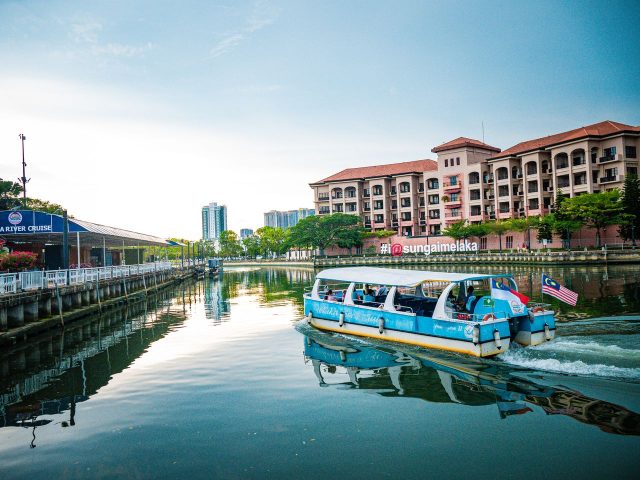
Melaka City
A UNESCO-listed trading port on the Strait of Malacca, layered with Malay, Peranakan, Portuguese, Dutch and British…
-
Perak
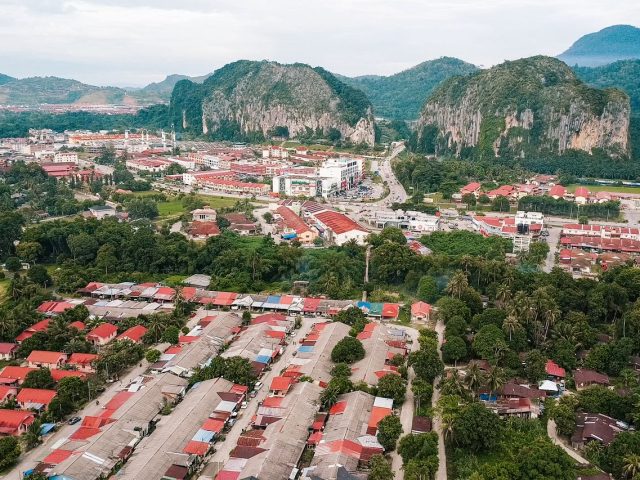
Ipoh
A former tin-mining town ringed by limestone hills, with a walkable colonial Old Town, cave temples and a food scene…
-
Pahang
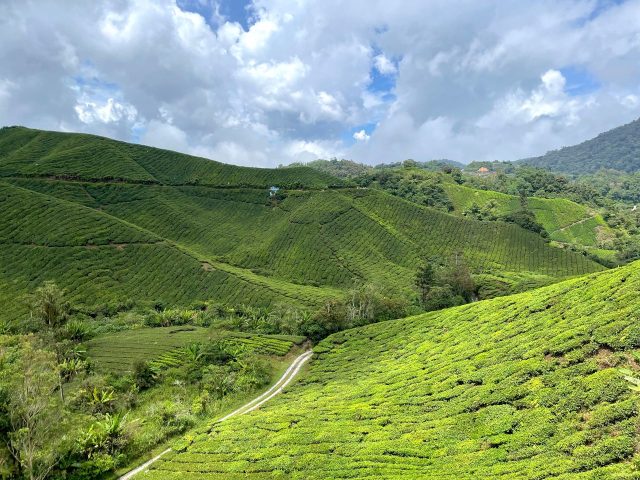
Cameron Highlands
Malaysia's best-known hill station, a cool upland of tea estates, market gardens and cloud forest about four hours…
-
Terengganu
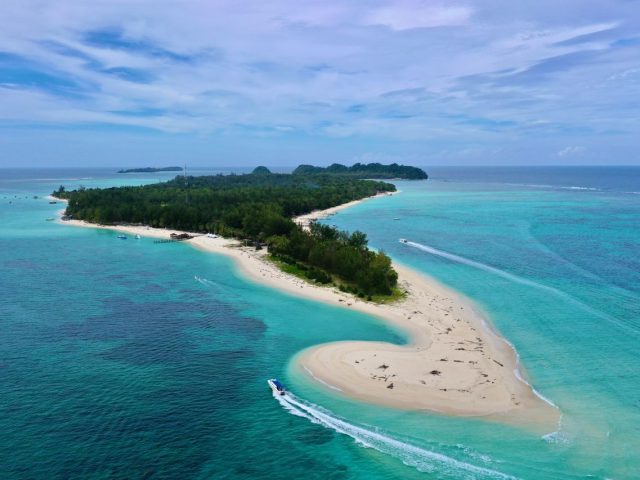
Perhentian Islands
Two small, car-free islands off the Terengganu coast with clear water, easy reef snorkelling and a laid-back beach…
-
Sabah
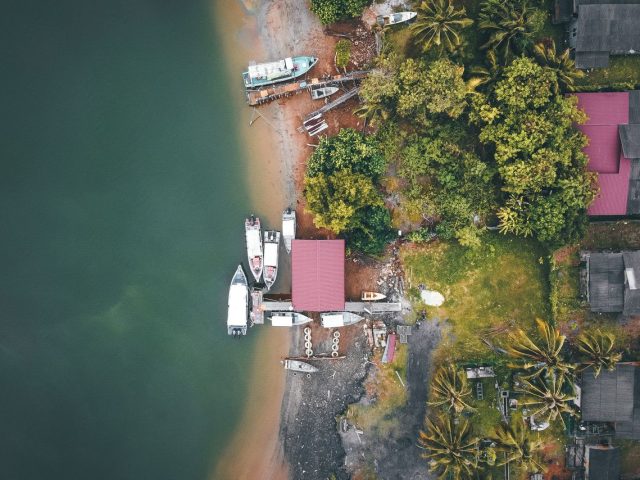
Kota Kinabalu
Sabah's seaside capital is the launch pad for Mount Kinabalu and the islands of Tunku Abdul Rahman Park, with sunset…
-
Sarawak
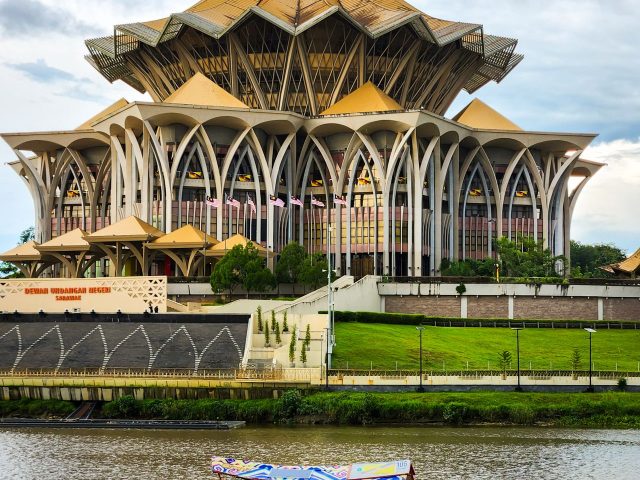
Kuching
A walkable river city with Brooke-era history, an outstanding food scene and rainforest, orangutans and beaches within…
-
Northern
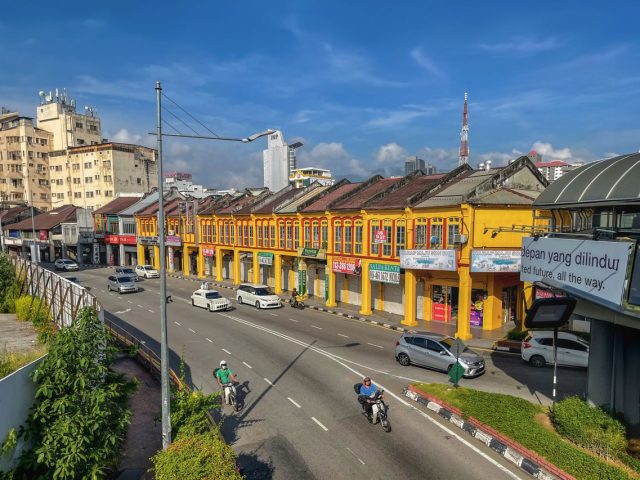
Penang
Malaysia's food capital and home to George Town, a UNESCO-listed port city of shophouses, clan temples and hawker…
-
Sabah
Sabah
Malaysia's northern Borneo state, home to Mount Kinabalu, wild orangutans, the Kinabatangan River and some of…
-
Sarawak
Sarawak
Malaysia's largest state, on Borneo's northwest coast: riverside Kuching, orangutans at Semenggoh, longhouse culture…
More travel guides
-
Guide
Malaysian Food Guide: 25 Dishes to Try
Malaysian food blends Malay, Chinese, Indian, Peranakan and Bornean cooking, and most of the best dishes cost little…
-
Guide
Where to Stay in Malaysia: Best Bases by Region
The best bases in Malaysia are Bukit Bintang or KLCC in Kuala Lumpur, George Town's heritage core in Penang, Pantai…
-
Guide
Penang vs Langkawi: Which Island Should You Visit?
Choose Penang for food, heritage and walkable George Town; choose Langkawi for beaches, rainforest, island hopping and…