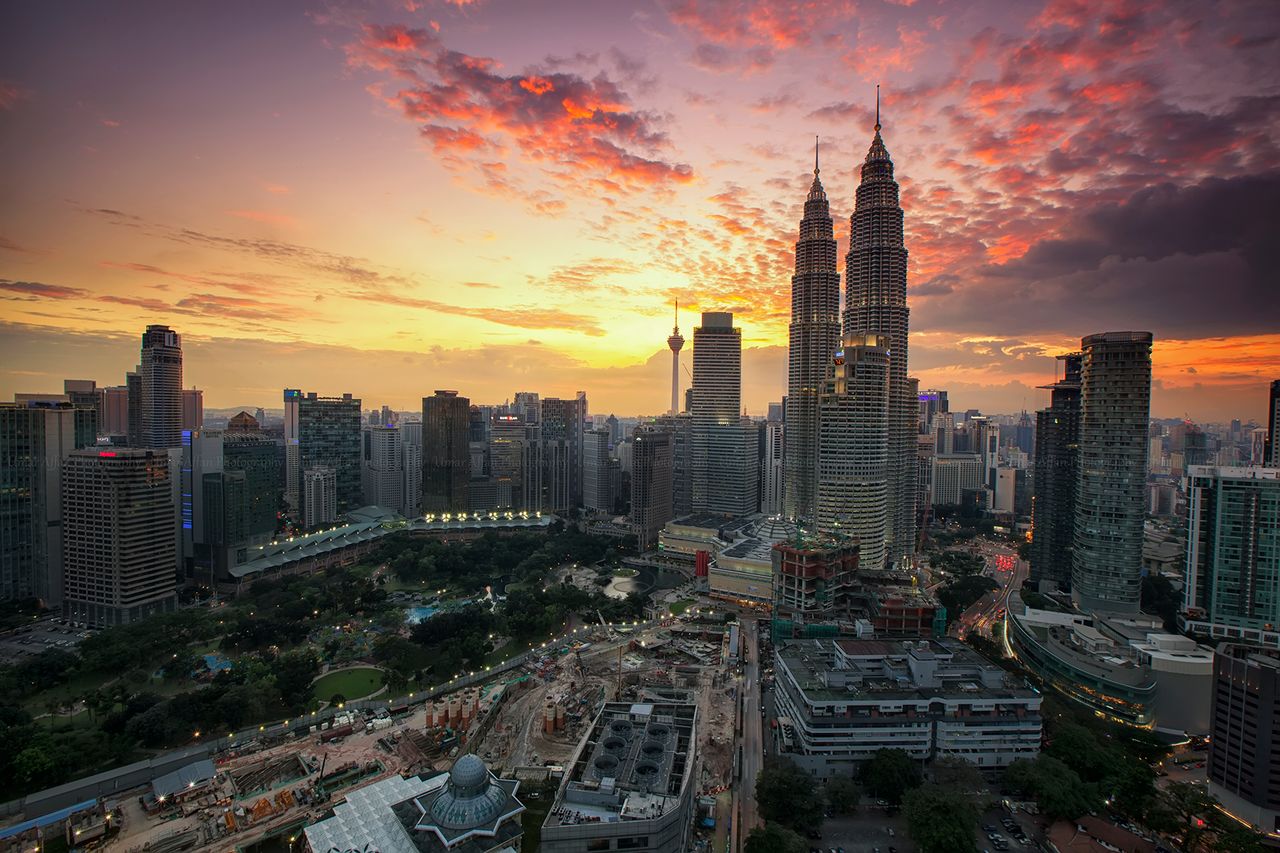
Best Time to Visit Malaysia, Region by Region

The best time to visit Malaysia is not one season but several, because the country sits under two monsoons that hit its coasts at different times of year. When the west coast is at its sunniest, the east coast islands are battered by rough seas, and the reverse is roughly true in the middle of the year. Pick your regions first, then your dates, and you can have good weather in any month.
Temperatures barely change: expect around 30°C or more by day at sea level and the low to mid 20s at night, all year. Hill stations such as the Cameron Highlands are much cooler. What does change is rainfall, and that is what this guide is about.
Malaysia’s monsoons in brief
The northeast monsoon, roughly November to March, brings the heaviest rain to the east coast of the Peninsula (Kelantan, Terengganu and Pahang), western Sarawak and the northeast coast of Sabah. According to the Malaysian Meteorological Department, the east coast is wettest from November to January, and Sarawak’s coastal rain peaks in January.
The southwest monsoon, roughly May to September, is the drier season for most of the country. The two short inter-monsoon periods, around April and October, bring heavy afternoon thunderstorms, especially on the west coast, where October and November are usually the wettest months.
Plan outdoor activities, island boat trips and hikes for the morning, when skies are usually clearest, and keep museums, markets and long lunches for the afternoon.
Rain in Malaysia rarely lasts all day outside the monsoon on the east coast. A typical wet-season pattern is a clear morning, a downpour in the mid-afternoon and a fresh evening.
Best time to visit Malaysia: month by month
Use this table as a guide to general conditions. Weather varies year to year, and local patterns differ, so treat it as a starting point rather than a forecast.
| Month | West coast (KL, Penang, Langkawi, Melaka) | East coast (Perhentians, Redang, Tioman) | Borneo (Sabah and Sarawak) |
|---|---|---|---|
| January | Dry and sunny; peak season in Penang and Langkawi | Monsoon; many island resorts closed | Wettest month in Sarawak and northeast Sabah |
| February | Driest month on much of the west coast | Rain easing late in the month; most resorts still closed | Wet, gradually improving |
| March | Hot and mostly dry; occasional storms | Islands start reopening; sea can still be rough | Improving; good for Kinabalu |
| April | Hot, with afternoon thunderstorms returning | Season under way; calm seas, good visibility | Drier in northeast Sabah; good wildlife viewing |
| May | Hot and humid, showers in the afternoon | Good beach and diving weather | Good; mixed showers |
| June | Warm, fairly dry; school holidays bring crowds | Peak season, driest month on the east coast | Driest period in Sarawak; good for Mulu and Bako |
| July | Warm; mostly dry spells | Peak season; book island resorts early | Good across Borneo |
| August | Warm; possible haze in some years | Good, busy at weekends | Good; possible haze in some years |
| September | More showers, haze risk | Still good, but quieter late in the month | Fair; showers increasing |
| October | Wettest month on the west coast | Season ends; some resorts begin closing | More rain, especially on Sabah’s west coast |
| November | Wet, but improving late in the month | Northeast monsoon arrives; most resorts closed | Rain increasing |
| December | Drier and busy over the holidays | Monsoon; rough seas, ferries limited | Wet season in Sarawak and northeast Sabah |
West coast: Kuala Lumpur, Penang, Langkawi and Melaka
The west coast is the most forgiving part of Malaysia, with no true closed season. The best weather is from December to March, when Langkawi and George Town on Penang get the most sunshine and the calmest seas. February is often the driest month. This is also peak season, so book Langkawi hotels well ahead for Christmas and Chinese New Year.
Kuala Lumpur works in any month. It rains often, but you can retreat to malls, museums and food courts during storms. April to September is good on the west coast too, with more showers but fewer visitors. Avoid October and November if beach time on Langkawi is the main goal.
In the highlands, the Cameron Highlands are cool all year, often around 20°C by day and noticeably colder at night, and wettest around October to November. Mornings are usually clearer for walking and tea estate views.
East coast: Perhentians, Redang and Tioman
The east coast islands have the clearest water in Peninsular Malaysia, but a fixed season. The Perhentian Islands and Redang are at their best from about April to September, with June and July the driest months on this coast. Diving visibility is usually best in the middle of the year.
From around November to February or early March, the northeast monsoon brings strong winds and big swells. Many resorts on the Perhentians and Redang close, and boats run a reduced service or stop. Opening dates vary by resort, so check directly before booking shoulder months. Tioman, further south, has a slightly longer season, but the same rule applies. Our guide to the best islands in Malaysia covers which islands suit which months.
Borneo: Sabah and Sarawak
Malaysian Borneo is rainforest country, so expect rain at any time, but it is very visitable year-round. In Sarawak, the coast around Kuching is wettest from about December to February, with January usually the peak. June to August is the driest stretch and a good time for Bako and Mulu.
In Sabah, the northeast coast around Sandakan and the Kinabatangan is wettest in January and driest around April. Wildlife viewing is often better in the drier months, when animals gather along the riverbanks. Mount Kinabalu can be climbed all year; clear summit mornings are more likely outside the main rains, but permits are limited and sell out, so book early whatever the month.
Festivals, holidays and crowds
Malaysia’s big festivals move with the lunar and Islamic calendars, so dates change each year. They are colourful times to visit, but transport and hotels fill up.
- Chinese New Year (January or February): red lanterns in George Town and KL, open houses and lion dances. Many Chinese-run shops close for several days.
- Thaipusam (January or February): huge Hindu procession to Batu Caves outside KL and in Penang.
- Ramadan and Hari Raya Aidilfitri: during Ramadan, evening bazaars sell excellent food. At Hari Raya, many people travel home, so buses and flights sell out.
- Deepavali (October or November): lamps, sweets and busy markets in Little India areas.
- Gawai (1 and 2 June in Sarawak) and Kaamatan (May in Sabah): harvest festivals of Borneo’s indigenous communities.
Malaysian and Singaporean school holidays, especially in June and late November to December, make Langkawi, Genting and the Cameron Highlands busy at weekends. Haze from regional forest fires can affect air quality in some years, usually between about August and October.
Our picks by type of trip
- First trip, cities and food: December to March, combining KL, Penang and Langkawi.
- Beaches and snorkelling: May to August for the east coast islands.
- Wildlife in Borneo: April to September.
- Fewer crowds: March, April and September, outside school holidays.
For a route that matches the season, start with our Malaysia travel guide or the 2-week itinerary with Borneo.
Best Time to Visit Malaysia, Region by Region: frequently asked questions
What is the rainy season in Malaysia?
Malaysia has two monsoons. The northeast monsoon, roughly November to March, brings heavy rain to the east coast of the Peninsula and parts of Borneo. The west coast is wettest around October and November, during the inter-monsoon period.
What is the best month to visit Malaysia?
For the west coast, including Penang and Langkawi, February is often the driest month. For the east coast islands such as the Perhentians and Redang, June and July are usually the best. If you want both coasts on one trip, April or May and September are reasonable compromises.
Is it worth visiting Malaysia during monsoon season?
Yes, as long as you choose the right region. During the northeast monsoon, the west coast, Kuala Lumpur and Penang are at their best. Avoid planning an east coast island holiday between November and February, when many resorts close and boats are limited.
When is the best time to visit Langkawi?
December to March is the best time to visit Langkawi, with the most sunshine and calm seas. It is also the busiest period, so book early. October and November are usually the wettest months.
When are the Perhentian Islands closed?
Many resorts on the Perhentian Islands close during the northeast monsoon, roughly November to February or early March, when seas are rough. Exact opening dates vary by resort, so check directly before booking.
When is the best time to visit Borneo in Malaysia?
Sabah and Sarawak can be visited all year, but April to September is generally drier. Coastal Sarawak and northeast Sabah see their heaviest rain from about December to February.
Places in this guide
-
Federal Territory
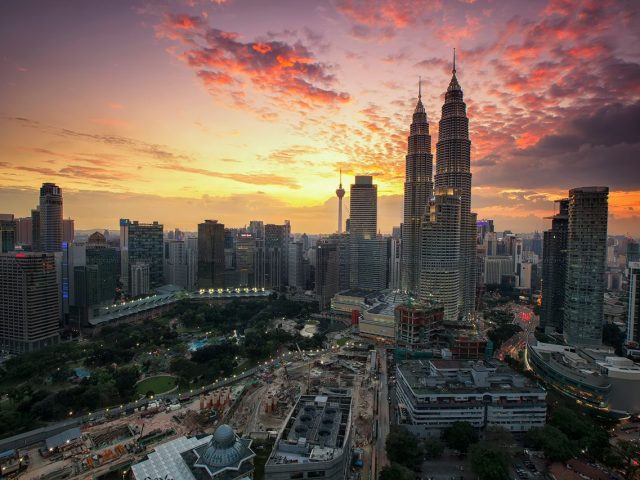
Kuala Lumpur
Malaysia's capital mixes glass towers, colonial landmarks, temples and some of the best street food in Asia, all…
-
Penang
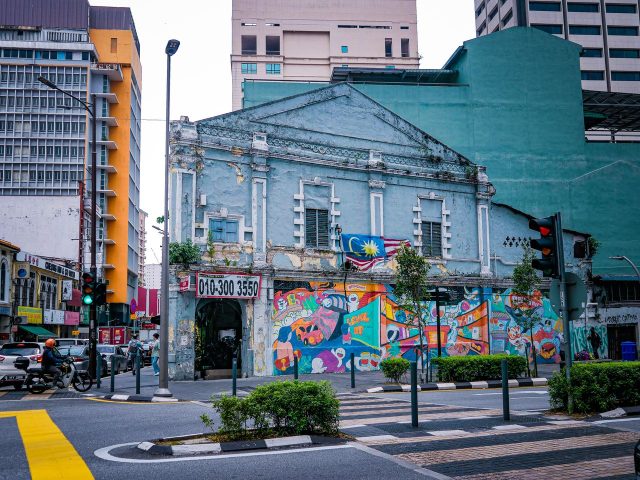
George Town
Penang's UNESCO-listed capital, where shophouse streets, clan temples and street art sit alongside some of the best…
-
Kedah
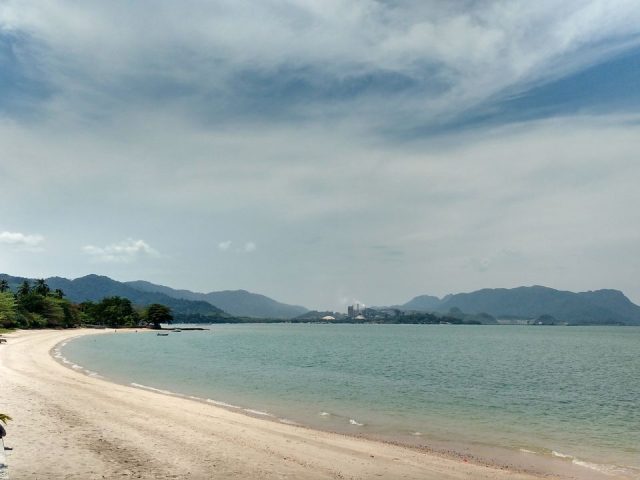
Langkawi
A duty-free island group in the Andaman Sea, with easy beaches, rainforest-covered peaks, mangrove tours and some of…
-
Pahang
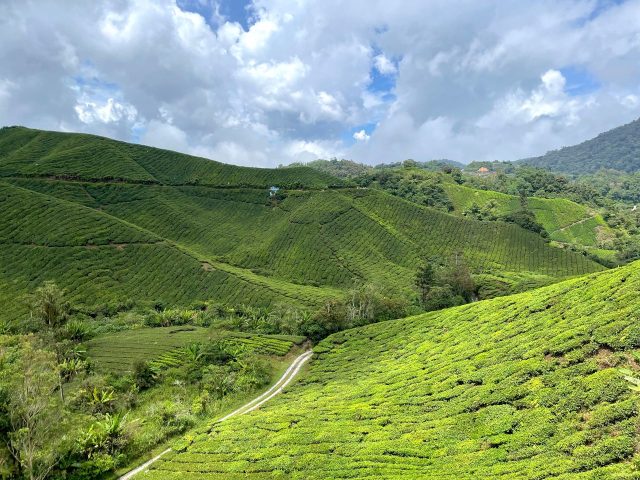
Cameron Highlands
Malaysia's best-known hill station, a cool upland of tea estates, market gardens and cloud forest about four hours…
-
Terengganu
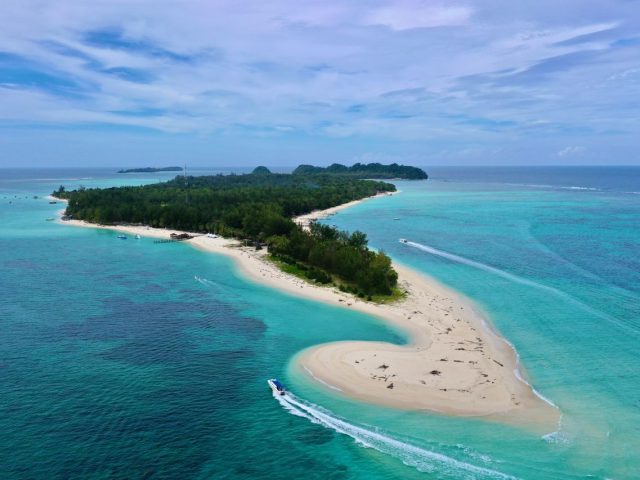
Perhentian Islands
Two small, car-free islands off the Terengganu coast with clear water, easy reef snorkelling and a laid-back beach…
-
Terengganu
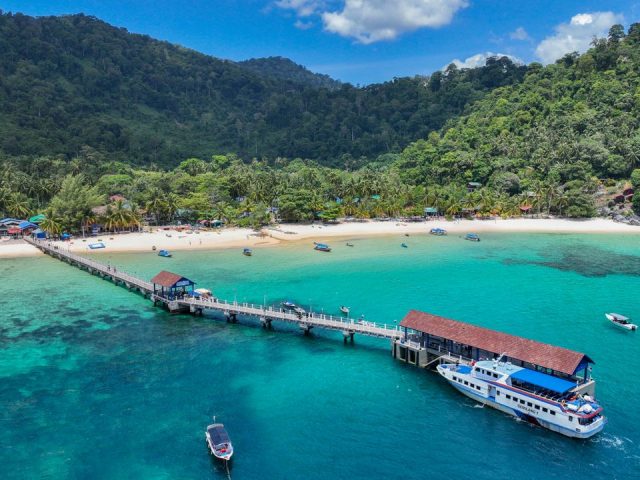
Redang Island
A resort island off Kuala Terengganu with some of Malaysia's whitest sand and clearest water.
-
Pahang
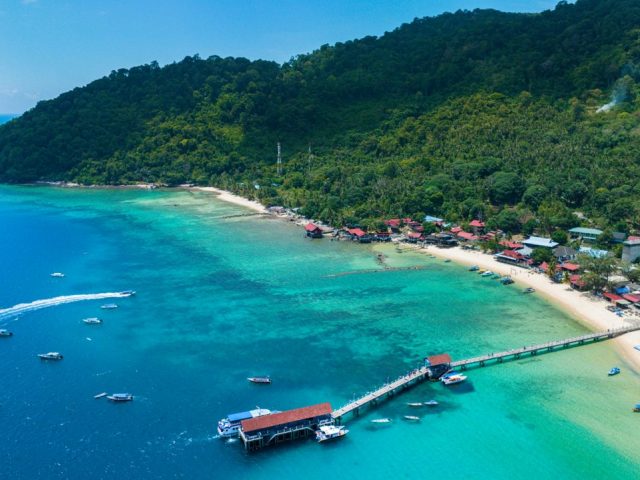
Tioman Island
A mountainous, rainforest-covered island off Pahang's east coast, with quiet village beaches, good snorkelling and…
-
Sarawak
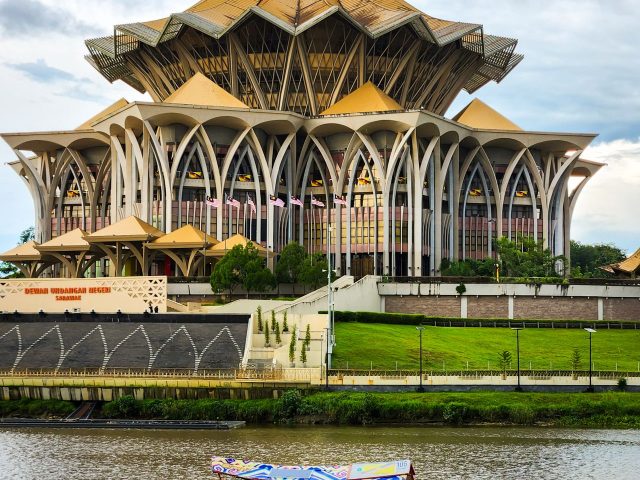
Kuching
A walkable river city with Brooke-era history, an outstanding food scene and rainforest, orangutans and beaches within…
-
Sabah
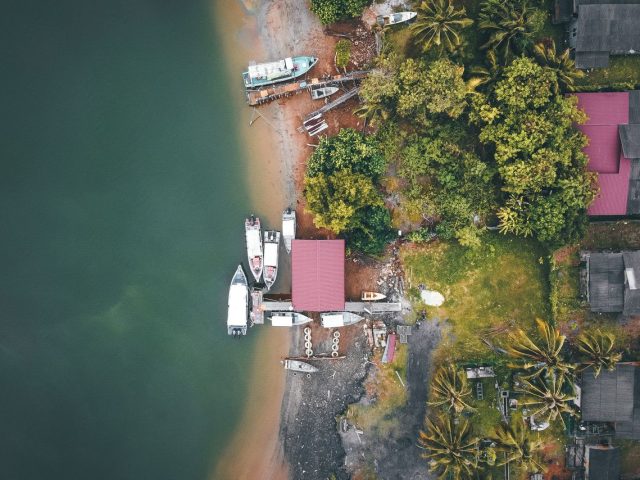
Kota Kinabalu
Sabah's seaside capital is the launch pad for Mount Kinabalu and the islands of Tunku Abdul Rahman Park, with sunset…
-
Sabah
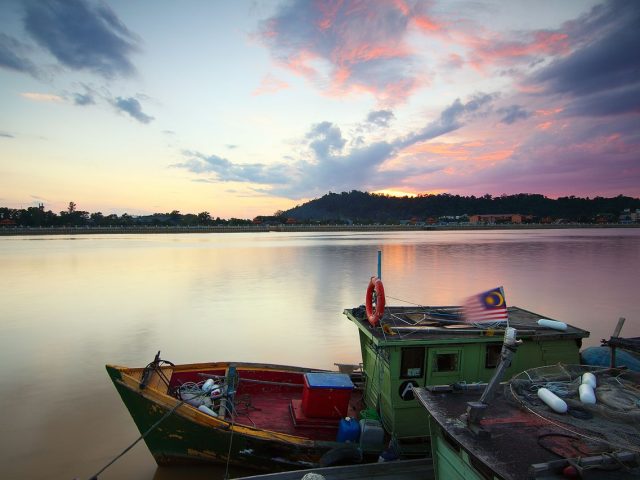
Sabah
Malaysia's northern Borneo state, home to Mount Kinabalu, wild orangutans, the Kinabatangan River and some of…
-
Sarawak
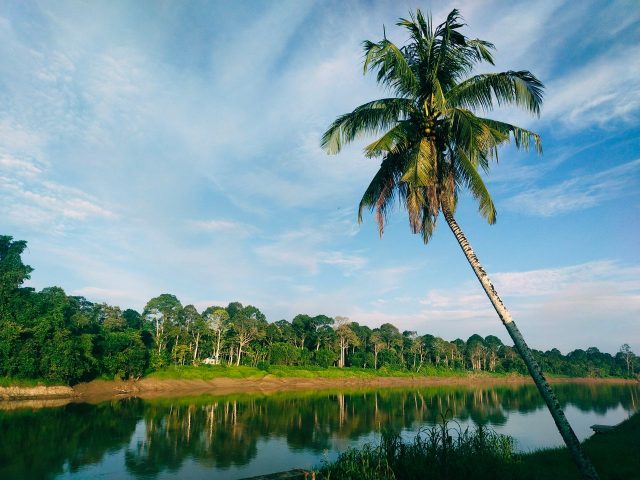
Sarawak
Malaysia's largest state, on Borneo's northwest coast: riverside Kuching, orangutans at Semenggoh, longhouse culture…
-
Kota Kinabalu
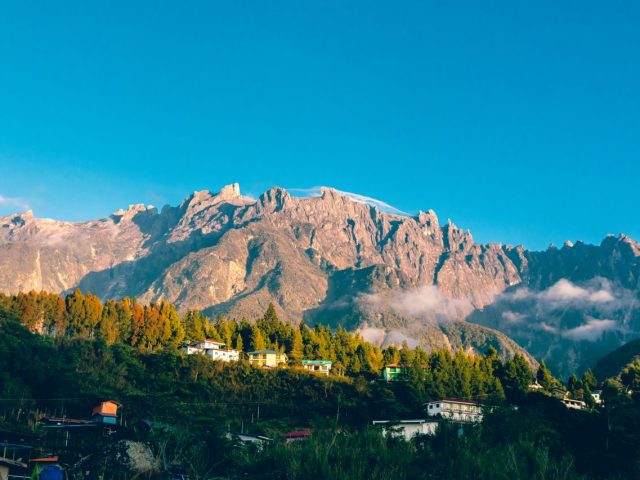
Mount Kinabalu
Mount Kinabalu (4,095m) is Malaysia's highest peak and a two-day climb from Kinabalu Park, about 92km from Kota…
More travel guides
-
Guide
Where to Stay in Malaysia: Best Bases by Region
The best bases in Malaysia are Bukit Bintang or KLCC in Kuala Lumpur, George Town's heritage core in Penang, Pantai…
-
Guide
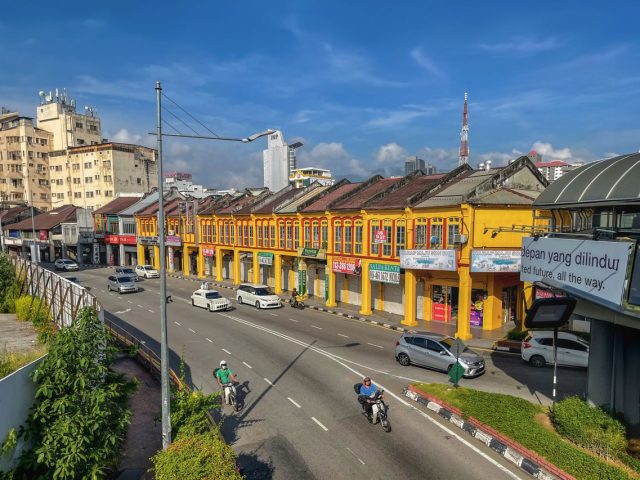
Penang vs Langkawi: Which Island Should You Visit?
Choose Penang for food, heritage and walkable George Town; choose Langkawi for beaches, rainforest, island hopping and…
-
Guide
Visit Malaysia 2026: Events and Travel Tips
Visit Malaysia 2026 is Tourism Malaysia's national campaign to grow international tourism, with the Malayan sun bear…