Best Islands in Malaysia for Every Kind of Trip

Choosing between the best islands in Malaysia comes down to two questions: what kind of trip you want, and which coast is in season when you travel. The country has hundreds of islands spread across the Strait of Malacca, the South China Sea and the Celebes Sea, from duty-free Langkawi with its international resorts to the Perhentians, where you walk off the boat barefoot onto the sand. This guide matches the main islands to different travellers and explains the monsoon pattern that decides when each one is worth visiting.
Understand the seasons first
Malaysia is warm all year, but the monsoons split the islands into two groups. On the east coast of Peninsular Malaysia (Perhentian, Redang, Tioman, Kapas, Lang Tengah), the northeast monsoon brings rough seas and heavy rain from roughly November to February. Many resorts close and boat services are reduced or suspended, so plan these islands for roughly March to October.
The west coast islands (Langkawi, Penang, Pangkor) are open all year. Their driest, calmest stretch usually runs from December to April, while September and October tend to be the wettest months. Sabah’s islands in Borneo sit outside the worst of both monsoons and can be visited year-round, although the weather is never fully predictable. For a month-by-month breakdown, see our guide to the best time to visit Malaysia.
| Island | Coast | Best months | Best for |
|---|---|---|---|
| Langkawi | West (Kedah) | December to April | Families, couples, easy access, resorts |
| Penang | West | December to April | Food, heritage, city break by the sea |
| Perhentian Islands | East (Terengganu) | March to October | Snorkelling, backpackers, simple beach life |
| Redang | East (Terengganu) | March to October | Clear water, package resorts, snorkelling |
| Tioman | East (Pahang) | March to October | Diving, jungle trails, quieter villages |
| Tunku Abdul Rahman Park islands | Sabah | Year-round | Day trips from Kota Kinabalu |
| Semporna islands and Sipadan | Sabah | Year-round | World-class diving |
| Labuan | Off Sabah | Year-round | Wreck diving, duty-free, off the radar |
Best islands in Malaysia for families and first-timers
Langkawi
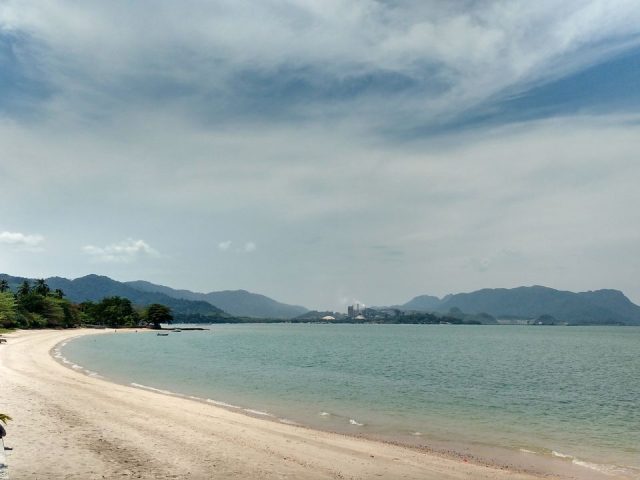
Langkawi is the easiest Malaysian island to reach and to enjoy. It has a busy international airport, ferries from the mainland, a wide choice of hotels and plenty to do beyond the beach. Ride the SkyCab cable car up Gunung Mat Cincang, take a mangrove boat trip through Kilim Geoforest Park and spend sunset on Pantai Cenang, the main beach strip on the west side.
The island has duty-free status, which keeps prices on alcohol and some goods low. You will need a car or Grab to get around, as attractions are spread out. Water clarity is better on the outlying islands than on the main beaches, so book an island-hopping trip if snorkelling matters to you.
Penang
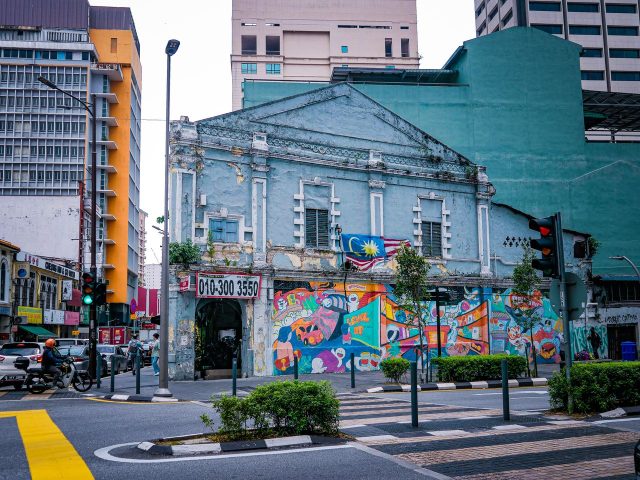
Penang is an island, though most visitors treat it as a city break. George Town is a UNESCO World Heritage city famous for its street food, shophouses and street art. The beaches at Batu Ferringhi on the north coast are fine for a swim and a sunset, but they are not the reason to come. Choose Penang if food and culture rank above sand; our Penang vs Langkawi guide compares the two in detail.
Best islands for snorkelling and beach life
Perhentian Islands
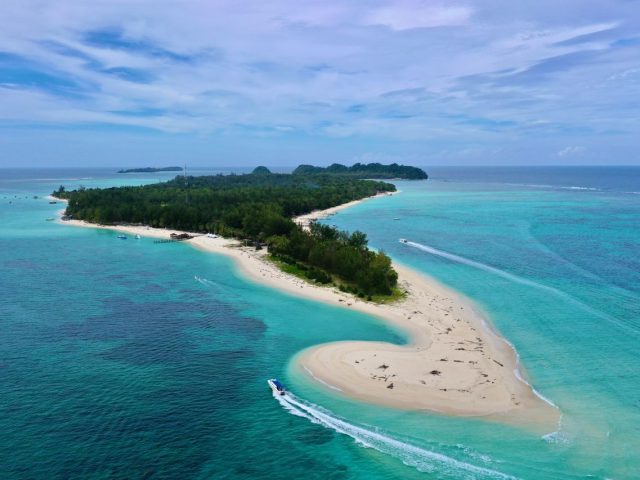
The Perhentian Islands off Terengganu are two main islands with very different personalities. Perhentian Kecil (small island) has Long Beach and Coral Bay, cheaper chalets and a younger, social crowd. Perhentian Besar (big island) has quieter beaches and more comfortable resorts, making it the better choice for couples and families.
The water is clear and shallow, with reef sharks and turtles often seen while snorkelling. There are no roads or cars; you move between beaches by water taxi or jungle path. Boats leave from Kuala Besut on the mainland. Alcohol is limited and ATMs are unreliable, so bring enough cash.
Redang Island
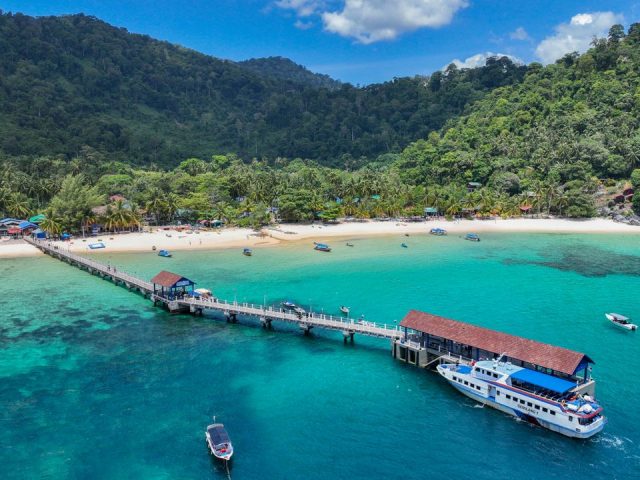
Redang has some of the clearest water and whitest sand on the peninsula, and it is part of a protected marine park. Most visitors come on packages that bundle the boat transfer, meals and snorkelling trips, which makes it simple but less flexible than the Perhentians. Pasir Panjang is the main beach. Boats leave from the Merang area and Kuala Terengganu, and there are also flights to the island in season.
Lang Tengah and Kapas
For something quieter, Lang Tengah sits between Redang and the Perhentians and has only a few resorts. Pulau Kapas, a short boat ride from Marang in Terengganu, is small enough to feel like a private retreat and works well for a night or two.
Best islands for diving
Tioman Island
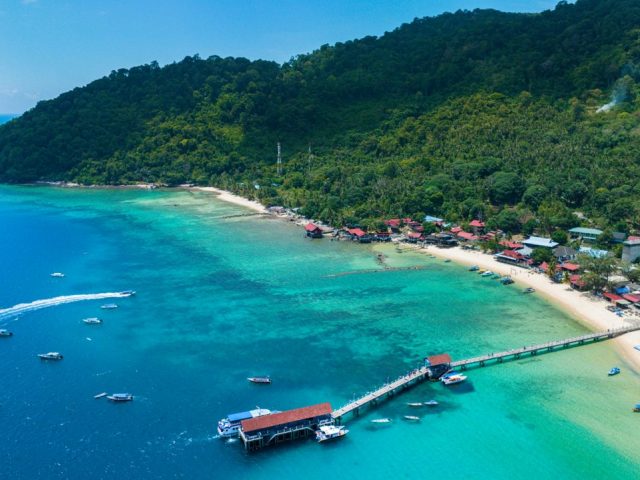
Tioman in Pahang is larger and wilder than the Terengganu islands, with forested mountains and a string of small villages along the west coast. ABC (Air Batang) and Salang suit budget travellers and divers, Tekek has the main jetty and airstrip, and Juara on the east coast has a long, quiet beach. Diving is good and suits beginners. Ferries run from Mersing and Tanjung Gemok on the mainland, with fewer departures in the monsoon months.
Sipadan and the Semporna islands
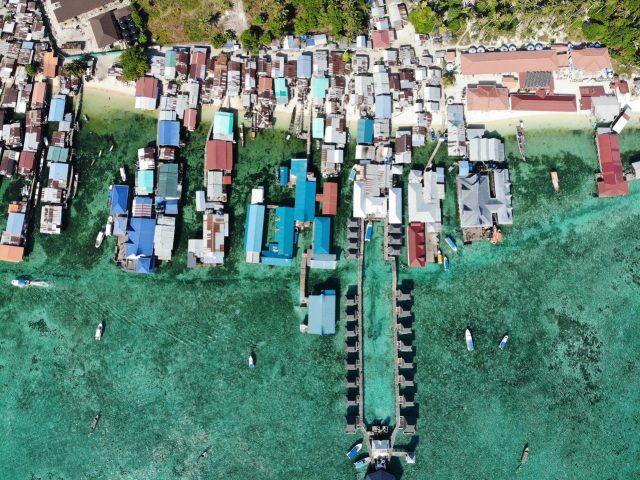
Sipadan, off the southeast coast of Sabah, is one of the most celebrated dive sites in the world, known for huge schools of barracuda and jacks and frequent turtle sightings. Daily diving permits are limited, so book through a licensed operator well ahead. Most divers stay in Semporna or on the nearby islands of Mabul and Kapalai and combine Sipadan with easier sites in the area.
Labuan
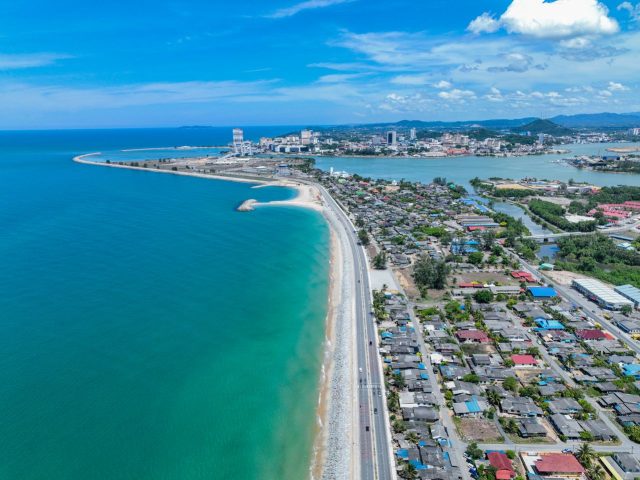
Labuan, a federal territory off the coast of Sabah, is known for its shipwreck dives and duty-free shopping. It sees few foreign tourists, which is part of its appeal for divers looking for something different.
Best islands for an easy day trip
The five islands of Tunku Abdul Rahman Park sit a short speedboat ride from Kota Kinabalu’s jetty. Sapi, Manukan and Mamutik are the most visited, with snorkelling straight off the beach. It is the simplest way to add island time to a Sabah trip built around Mount Kinabalu and the wildlife of Sandakan.
On the west coast of the peninsula, Pulau Pangkor in Perak is a low-key option popular with domestic weekenders, and the islands of the Langkawi archipelago can be visited on a half-day island-hopping trip.
Tips for planning a Malaysian island trip
- Check the season before you book. East coast island resorts often close in the monsoon, and boat schedules change.
- Carry cash. Smaller islands have few or no ATMs and card payments are not always accepted.
- Pay the marine park fee. Several islands are marine parks with a conservation fee collected on arrival or at the jetty.
- Book boat transfers with your stay. Many resorts arrange transfers, which saves haggling at the jetty.
- Respect local norms. Swimwear is fine on resort beaches, but cover up in villages and on the mainland, particularly on the conservative east coast.
- Protect the reefs. Do not stand on coral or feed fish, and use reef-friendly sunscreen.
Want to link several islands together? Our East Coast islands itinerary combines the Perhentians and Redang in one week.
Best Islands in Malaysia for Every Kind of Trip: frequently asked questions
Which is the most beautiful island in Malaysia?
Redang and the Perhentian Islands are often named the most beautiful for their clear turquoise water and white sand. Sipadan in Sabah is the most famous underwater. Langkawi is more developed but has dramatic rainforest and limestone scenery.
When is the best time to visit the islands in Malaysia?
It depends on the coast. East coast islands such as the Perhentians, Redang and Tioman are best from roughly March to October, as the northeast monsoon brings rough seas from about November to February. West coast islands such as Langkawi and Penang are best from December to April.
Are the Perhentian Islands open all year?
Many resorts and boat services on the Perhentians close or scale back during the northeast monsoon, roughly November to February. A few places stay open, but seas can be rough and boat crossings may be cancelled. Plan your visit for March to October.
Is Langkawi or the Perhentians better?
Langkawi suits travellers who want easy flights, a wide choice of hotels, a car to explore and activities beyond the beach. The Perhentians suit those who want clearer water for snorkelling and a simpler, car-free island life. The Perhentians are only practical from roughly March to October.
Do you need a permit to dive at Sipadan?
Yes. Sipadan diving requires a permit and the number issued each day is limited. Permits are arranged through licensed dive operators in Semporna and on nearby islands, so book well in advance, especially in peak months.
Places in this guide
-
Kedah
Langkawi
A duty-free island group in the Andaman Sea, with easy beaches, rainforest-covered peaks, mangrove tours and some of…
-
Terengganu
Perhentian Islands
Two small, car-free islands off the Terengganu coast with clear water, easy reef snorkelling and a laid-back beach…
-
Terengganu
Redang Island
A resort island off Kuala Terengganu with some of Malaysia's whitest sand and clearest water.
-
Pahang
Tioman Island
A mountainous, rainforest-covered island off Pahang's east coast, with quiet village beaches, good snorkelling and…
-
Sabah
Semporna
The harbour town that gets you to Sipadan, Mabul and the islands of the Celebes Sea. Come for the water, not the town.
-
Federal Territory
Labuan
A duty-free federal territory island off the coast of Sabah, known for its Second World War wrecks and memorials…
-
Penang
George Town
Penang's UNESCO-listed capital, where shophouse streets, clan temples and street art sit alongside some of the best…
-
Semporna
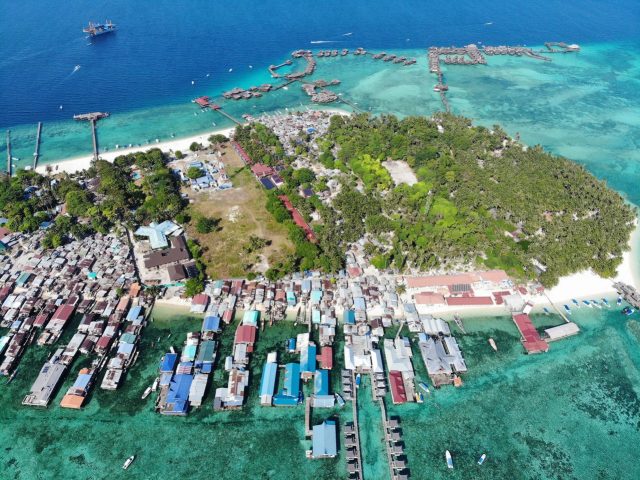
Sipadan Island
Sipadan is a tiny oceanic island off Semporna in eastern Sabah, famous for turtles, barracuda tornadoes and sheer reef…
-
Kota Kinabalu
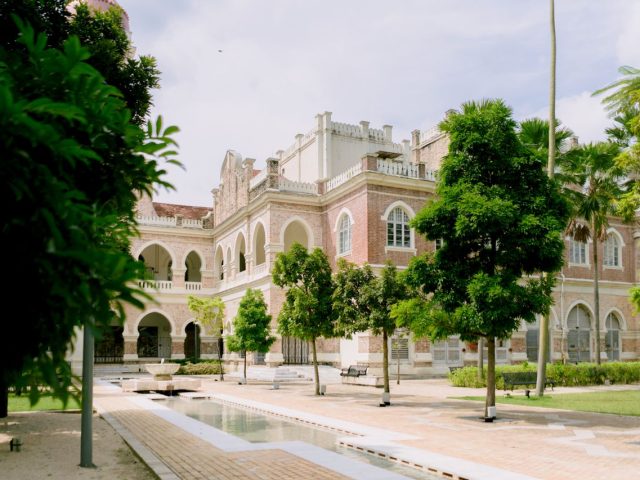
Tunku Abdul Rahman Park
Tunku Abdul Rahman Park is a group of five islands about 15 minutes by fast boat from Kota Kinabalu's Jesselton Point.
-
Langkawi
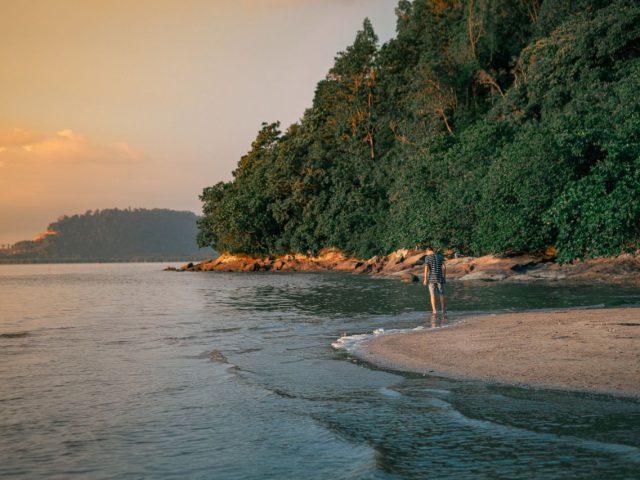
Pantai Cenang
Pantai Cenang is Langkawi's busiest beach, a roughly 2 km strip of pale sand on the south-west coast lined with…
-
East Coast
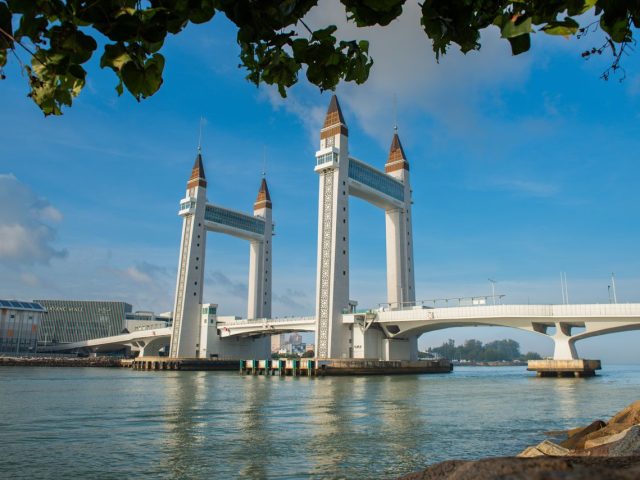
Terengganu
Terengganu is the place for Malaysia's clearest water, with the Perhentian and Redang islands offshore, plus a…
-
Sabah
Sabah
Malaysia's northern Borneo state, home to Mount Kinabalu, wild orangutans, the Kinabatangan River and some of…
More travel guides
-
Guide
Malaysian Food Guide: 25 Dishes to Try
Malaysian food blends Malay, Chinese, Indian, Peranakan and Bornean cooking, and most of the best dishes cost little…
-
Guide

Where to Stay in Malaysia: Best Bases by Region
The best bases in Malaysia are Bukit Bintang or KLCC in Kuala Lumpur, George Town's heritage core in Penang, Pantai…
-
Guide
Penang vs Langkawi: Which Island Should You Visit?
Choose Penang for food, heritage and walkable George Town; choose Langkawi for beaches, rainforest, island hopping and…